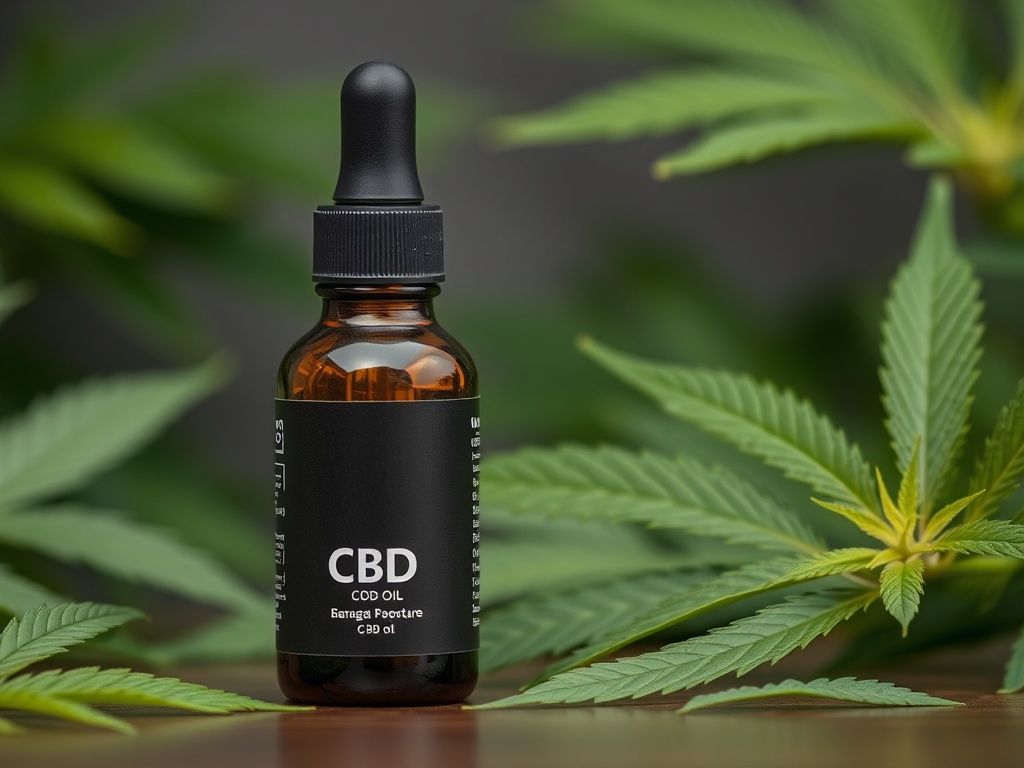
CBD Oil: Practical Guidance on Benefits, Safety, and Choosing the Right Product
What CBD oil is and how it works
CBD (cannabidiol) is one of many compounds found in hemp and cannabis plants.
Unlike THC, CBD does not produce a psychoactive “high.” It interacts with the body’s endocannabinoid system and other signaling pathways, which can influence mood, sleep, inflammation, and pain perception. Research continues to expand, and many people use CBD to support general wellness, sleep, and occasional discomfort.
Common uses and potential benefits
– Sleep support: Many users report improved sleep quality when taking CBD in the evening.
– Stress and mood support: CBD may help reduce feelings of everyday stress and promote a calmer state.
– Pain and inflammation: Topical and oral CBD are commonly used for muscle soreness, joint discomfort, and topical relief.
– Skin health: CBD-infused topical products can soothe skin and may assist with hydration and redness management.
Understanding product types
– Full-spectrum: Contains CBD plus other cannabinoids, terpenes, and trace THC. Often favored for the entourage effect, where compounds work synergistically.
– Broad-spectrum: Includes multiple cannabinoids and terpenes but typically has no detectable THC.
– Isolate: Pure CBD with no other plant compounds. Useful for those seeking zero THC exposure.
Delivery methods and timing
– Sublingual oils/tinctures: Placed under the tongue for faster absorption and more precise dosing; effects often begin within 15–45 minutes.
– Capsules and edibles: Convenient and discreet but pass through digestion, so onset is slower and effects last longer.
– Vaping: Fastest onset but carries respiratory risks; not recommended for everyone.
– Topicals: Applied directly to the skin for localized relief; may be combined with systemic CBD for broader effect.
Dosing basics and safety
Start low and go slow. Begin with a small dose (for many adults, a common starting range is a few milligrams) and gradually increase until the desired effect is reached. Keep a simple journal to track dose, timing, and outcomes.
Safety tips:
– Common side effects can include dry mouth, drowsiness, and mild digestive upset.
– CBD can interact with medications metabolized by the CYP450 liver enzyme system, including certain blood thinners. Consult a healthcare professional before starting CBD if taking prescription medications.
– Avoid CBD during pregnancy and breastfeeding unless directed by a healthcare provider.
How to choose a quality CBD oil
– Look for third-party lab testing: Certificates of analysis (COAs) should confirm cannabinoid potency and absence of contaminants (pesticides, heavy metals, residual solvents).
– Check extraction methods: CO2 extraction is widely regarded as clean and efficient.
– Review ingredient lists: Prefer products with minimal, transparent ingredients and no unnecessary additives.
– Know the source: Hemp grown under regulated agricultural standards tends to have lower contaminant risk.
– Read customer reviews and brand transparency: Reliable brands provide clear dosing guidance and responsive customer service.
Storage and shelf life
Store CBD oil in a cool, dark place away from direct sunlight. Proper storage helps preserve potency and flavor.
Final considerations
CBD oil can be a useful part of a wellness routine when chosen and used thoughtfully. Because individual responses vary, personalized dosing and professional guidance are valuable. For ongoing symptoms or chronic conditions, a healthcare consultation helps ensure safe and effective use.