Cannabis: What Consumers Need to Know Now
Cannabis continues to be a major topic for consumers, patients, and policymakers. Whether you’re exploring cannabis for wellness, recreation, or pain management, understanding how cannabinoids, terpenes, dosing, and consumption methods work can help you make safer, more informed choices.
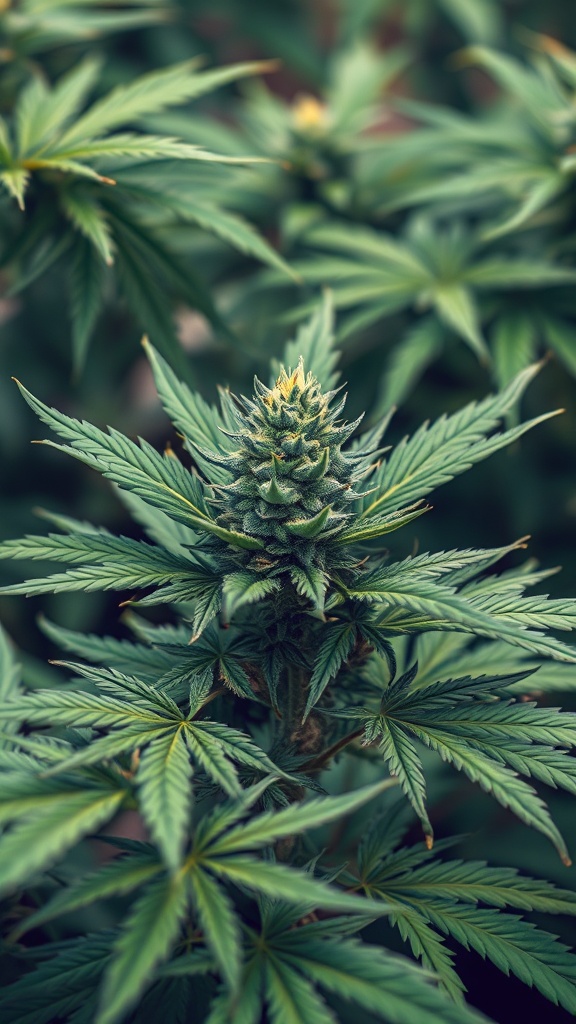
Understanding cannabinoids and terpenes
Cannabinoids like THC and CBD are the best-known compounds in cannabis, but the plant contains hundreds of other molecules that influence effects. THC is primarily responsible for psychoactive effects, while CBD is non-intoxicating and often sought for its calming and anti-inflammatory properties.
Beyond cannabinoids, terpenes — aromatic oils found in the plant — shape the scent, flavor, and subtle differences in experience between cultivars.
Common terpenes include myrcene (earthy, relaxing), limonene (citrusy, uplifting), and linalool (floral, soothing). Thinking in terms of cannabinoid and terpene profiles rather than simple strain names helps you predict effects more reliably.
Choosing the right product and dosing
Start low and go slow. For new users, low doses reduce the risk of unpleasant effects.
With inhaled products, effects are felt within minutes and peak quickly, allowing easier dose adjustments. Edibles take longer to onset — often up to a couple of hours — and can produce longer, stronger effects, so a conservative initial dose is prudent. Vape cartridges, tinctures, capsules, and topicals each have specific dosing considerations, so follow manufacturer guidance and consult dispensary staff or a healthcare provider when needed.
Consumption methods and safety
– Inhalation (flower, vaping): Immediate onset helps titrate dose, but smoking can carry respiratory risks. Use effective vaporizers that heat rather than burn to reduce harmful byproducts.
– Edibles: Require patience and careful dosing; store securely to prevent accidental ingestion.
– Tinctures and sublinguals: Faster onset than edibles with discreet administration.
– Topicals: Target localized relief without systemic psychoactive effects in most cases.
Avoid driving or operating heavy machinery while impaired. Mixing cannabis with alcohol or certain medications can amplify effects and risks; discuss interactions with a healthcare professional, particularly if taking antidepressants, blood thinners, or other chronic medications.
Storage and potency preservation
Proper storage preserves potency and flavor. Keep products in a cool, dark, airtight container away from direct light and heat. Humidity control is important for flower — too dry degrades terpenes and cannabinoids, too moist risks mold. Many products include lab-tested potency and contaminant reports; prefer products with accessible certificates of analysis from reputable labs.
Legal and medical considerations
Legal frameworks vary widely between jurisdictions; verify local regulations before purchasing, possessing, or transporting cannabis. For medical use, documentation from a qualified provider can clarify eligibility and dosing guidance. Some employers maintain drug-free workplace policies, and detection windows for THC metabolites can extend well beyond impairment, so factor workplace rules into consumption decisions.
Choosing high-quality products
Look for transparent labeling, third-party lab testing, and clear ingredient lists.
Low-quality or illicit products may contain pesticides, heavy metals, or cutting agents that pose health risks.
Reputable dispensaries and specialty retailers can often provide information on cultivation practices, extraction methods, and product sourcing.
Making cannabis part of a balanced approach
Many people integrate cannabis into broader wellness routines that include sleep hygiene, movement, nutrition, and mental health care.
When used thoughtfully, cannabis can be a useful tool for symptom relief and relaxation — when approached with awareness of dosing, product quality, and legal responsibilities.