CBD oil has shifted from niche wellness product to mainstream option for people seeking natural approaches to discomfort, stress, and sleep support. Understanding what CBD oil is, how it works, and how to choose a safe product helps you make confident decisions.
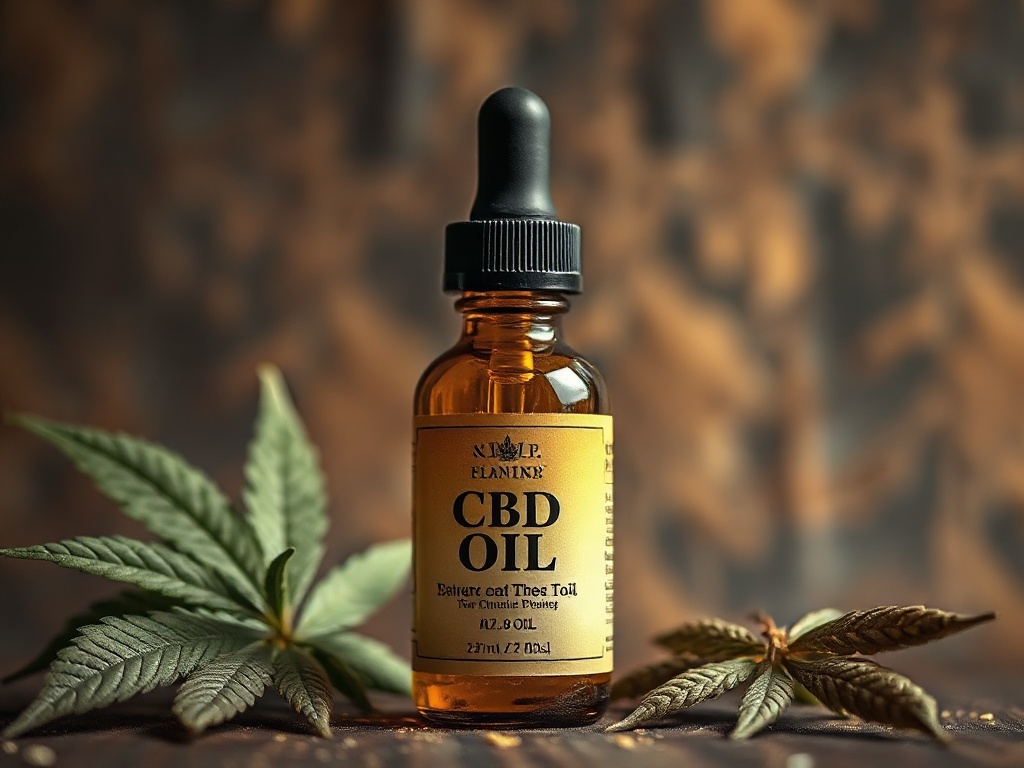
What CBD oil is
CBD (cannabidiol) is a non-intoxicating compound found in cannabis plants. CBD oil is typically made by extracting CBD from hemp, then blending the extract into a carrier oil such as MCT, hemp seed, or olive oil. Unlike THC, CBD does not produce a “high,” and products vary by their cannabinoid profile: full‑spectrum (contains minor cannabinoids and terpenes, may include trace THC), broad‑spectrum (multiple cannabinoids and terpenes but no detectable THC), and isolate (pure CBD).
Potential benefits and evidence
Research and clinical experience indicate CBD can help some people with:
– Pain and inflammation: studies and user reports support CBD’s role in managing chronic pain and localized inflammatory conditions.
– Anxiety and stress: CBD appears to reduce anxiety in some people, particularly situational or mild-moderate anxiety.
– Sleep support: CBD may improve sleep quality for users who have difficulty falling or staying asleep, especially when sleep disruption is connected to pain or anxiety.
Evidence varies by condition and individual; CBD is not a guaranteed cure and works best as part of a broader wellness plan.
How it’s taken and bioavailability
Common delivery methods and considerations:
– Tinctures/sublingual drops: hold under the tongue for faster absorption and quicker effects than swallowed oils.
– Capsules and edibles: convenient and discreet, but slower onset because they pass through digestion.
– Topicals: creams and balms provide targeted relief for muscles and joints with minimal systemic absorption.
– Vaping: fast absorption but carries respiratory risks; choose cautiously.
Bioavailability differs across methods; onset time ranges from minutes (inhalation) to a few hours (edibles).
Safety, interactions, and side effects
CBD is generally well tolerated, but possible side effects include dry mouth, drowsiness, digestive upset, and changes in appetite. CBD can interact with medications metabolized by cytochrome P450 enzymes (examples include certain blood thinners and anti-seizure drugs). If you take prescription medications, are pregnant, breastfeeding, or have liver disease, consult a healthcare professional before trying CBD.
Choosing a quality product
The market has variable quality.
Use these selection criteria:
– Third-party lab testing: look for Certificates of Analysis (COA) that confirm cannabinoid potency and absence of contaminants (pesticides, heavy metals, solvents).
– Extraction method: CO2 extraction is preferred for purity and consistency.
– Clear labeling: product should list CBD content per bottle and per serving (mg), ingredients, recommended serving size, and batch info.
– Reputation and transparency: purchase from brands with clear sourcing information and customer service.
Practical dosing advice
Start low and go slow. Begin with a small dose and increase gradually until you find the minimum effective dose.
Keep a log of dose, timing, and effects to track responses.
Storage and legality
Store CBD oil in a cool, dark place to preserve potency. Legal status varies by location and product THC content; check local regulations before purchasing or traveling with CBD products.
Quick tips
– Prefer products with up-to-date third-party lab results.
– Choose full- or broad‑spectrum if you want additional cannabinoid/terpene effects; choose isolate if you want CBD alone.
– Consult a healthcare provider when on prescription medications or if you have medical conditions.
CBD oil can be a helpful tool within a broader health strategy when chosen and used carefully.