What is CBD oil and how does it work?
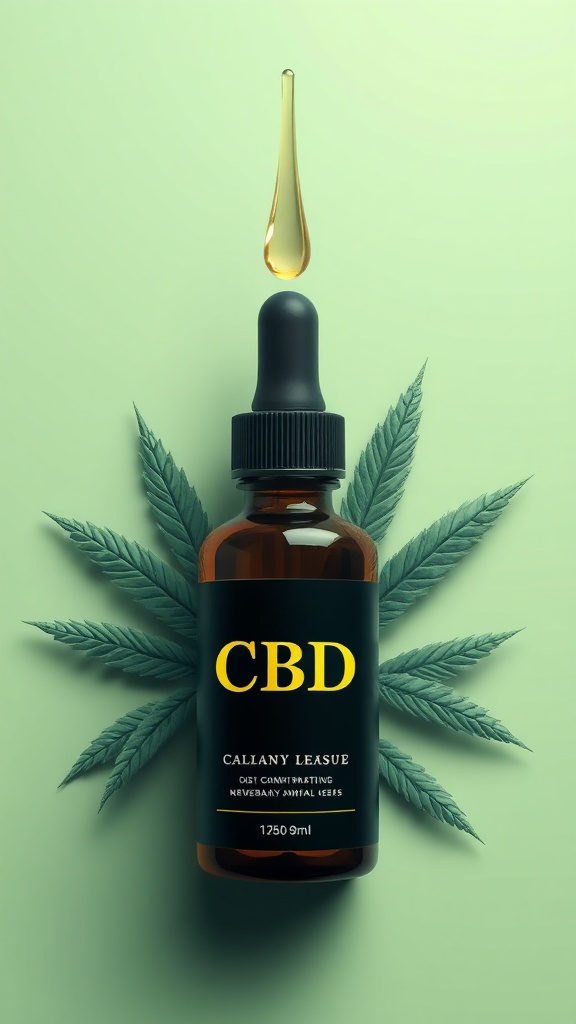
Cannabidiol (CBD) is a naturally occurring compound found in cannabis plants. Unlike THC, CBD does not produce a psychoactive high. CBD oil is made by extracting CBD from hemp or cannabis, then diluting it with a carrier oil such as MCT, hemp seed, or olive oil. It interacts with the body’s endocannabinoid system, which helps regulate sleep, mood, pain, and immune response, but its exact mechanisms are still being studied.
Types of CBD oil
– Full-spectrum: Contains CBD plus trace amounts of other cannabinoids and terpenes, including low levels of THC. Some users prefer this for the “entourage effect,” where compounds work together.
– Broad-spectrum: Includes multiple cannabinoids and terpenes but is processed to remove THC.
– CBD isolate: Pure CBD with no other cannabinoids or terpenes. It’s useful for people who want to avoid all THC.
Potential benefits and evidence
Research supports CBD’s use for several conditions, with stronger evidence for some than others. A prescription CBD medication has been approved by regulators for specific forms of epilepsy, demonstrating clear therapeutic potential. For other uses—such as chronic pain, anxiety, sleep issues, and inflammation—evidence is growing but mixed.
Many people report symptom relief, but clinical trials vary in size and quality, so personal results can differ.
Safety, side effects, and interactions
CBD is generally well tolerated, but it can cause side effects like drowsiness, dry mouth, diarrhea, and changes in appetite. More importantly, CBD can interact with other medications by affecting the cytochrome P450 enzyme system, altering how drugs are metabolized. This is particularly relevant for blood thinners, some antidepressants, and seizure medications.
Consult a healthcare professional before combining CBD with prescription drugs, especially if you have liver issues or are pregnant or breastfeeding.
Dosing guidance
There’s no single recommended dose; effective amounts vary by product, individual physiology, and the condition being addressed.
Start low and go slow: begin with a small dose, monitor effects for several days, and gradually increase until the desired effect is achieved. Track timing, dose, and symptom changes to find a reliable regimen.
Quality and safety tips for buying CBD oil
– Look for third-party lab testing (COAs) that confirm cannabinoid profile, potency, and absence of contaminants like pesticides, heavy metals, and solvents.
– Prefer CO2 or ethanol extraction methods, which are considered clean and efficient.
– Check the ingredient list for carrier oils and additives; avoid artificial colors and unnecessary fillers.
– Verify packaging and batch numbers, and buy from brands with transparent sourcing and manufacturing practices.
– Be cautious of exaggerated health claims—regulated products cannot legally claim to cure diseases without approval.
Storage and dosing form factors
CBD oil is available as tinctures, capsules, gummies, topicals, and vape products.
Sublingual tinctures offer faster absorption than edibles but slower onset than inhalation. Store CBD oil in a cool, dark place to preserve potency. Keep products out of reach of children and animals.
Final considerations
CBD oil offers promising benefits for many people, but responses vary and reliable product quality matters. Use credible lab results, consult a healthcare provider about interactions and dosing, and choose products from reputable manufacturers to maximize safety and effectiveness.