CBD oil remains one of the most talked-about natural supplements, and for good reason: it’s versatile, widely available, and used for a range of wellness goals.
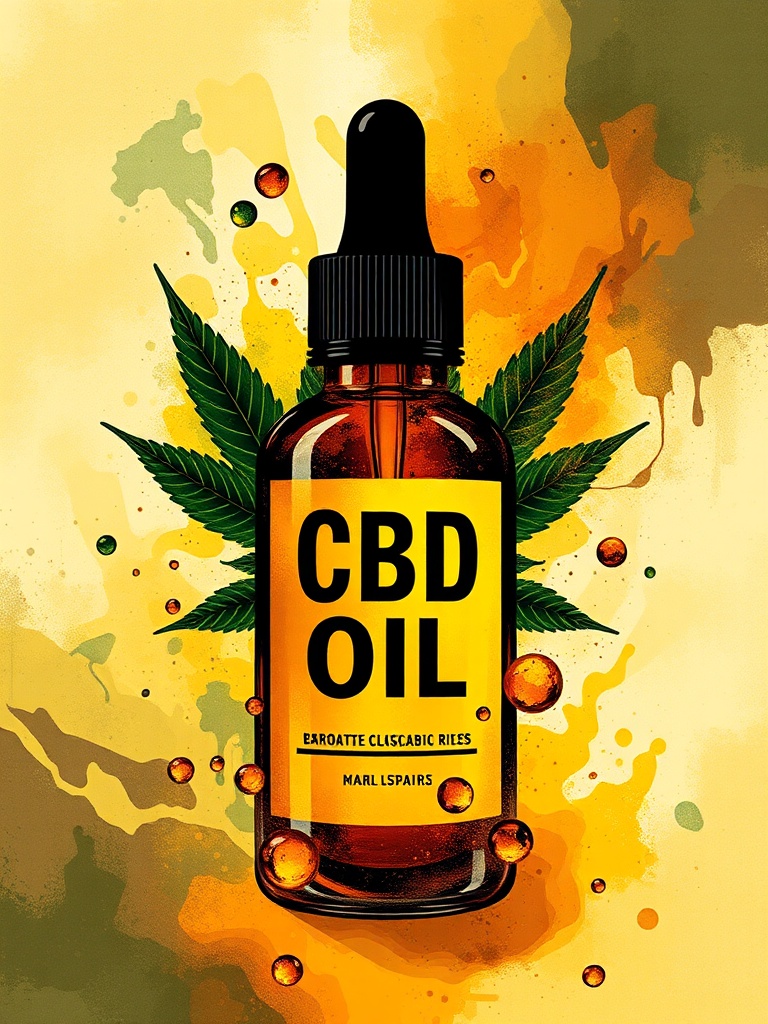
Here’s a clear guide to what CBD oil is, how it’s used, and what to watch for when choosing a product.
What is CBD oil?
CBD (cannabidiol) is a compound derived from the hemp plant. CBD oil is usually made by extracting CBD and blending it with a carrier oil such as MCT (fractionated coconut oil) or hemp seed oil. Unlike THC, CBD does not produce an intoxicating “high” at typical consumer doses.
Types of CBD products
– Full-spectrum: contains CBD plus other cannabinoids, terpenes, and trace amounts of THC. Many users prefer full-spectrum for the “entourage effect,” the idea that plant compounds can work together.
– Broad-spectrum: similar to full-spectrum but with THC removed.
– Isolate: pure CBD with no other cannabinoids or terpenes.
Delivery methods and bioavailability
– Tinctures (sublingual): placed under the tongue for faster absorption than swallowing, offering moderate bioavailability.
– Capsules and edibles: convenient but pass through digestion, so onset is slower and bioavailability is lower.
– Vaping/inhalation: fastest onset and highest bioavailability, but carries respiratory risks and may not be suitable for everyone.
– Topicals: balms and creams for localized relief; they act on skin receptors and usually do not enter systemic circulation.
Choosing a quality product
– Third-party lab reports (COAs): always look for a Certificate of Analysis that verifies cannabinoid content and screens for contaminants like pesticides, heavy metals, and residual solvents.
– Extraction method: CO2 extraction is widely regarded as clean and efficient; ethanol extraction is also common. Avoid products that don’t disclose their extraction method.
– Transparent labeling: check the total CBD per bottle and per serving. Reputable brands will list full ingredient and nutrition information.
– Source of hemp: hemp grown in nutrient-rich soil and without heavy pesticide use is preferable. Geographic origin can matter because of local growing standards.
Dosage and safety
There’s no universal CBD dose. A practical approach is “start low and go slow”: begin with a small dose (for example, a few milligrams) and gradually increase until you find an effective amount. Pay attention to how you feel over several days.
Potential side effects and interactions
Common side effects include dry mouth, drowsiness, and changes in appetite. CBD can interact with medications metabolized by the liver’s CYP450 enzyme system; this includes certain blood thinners and anticonvulsants. Discuss CBD use with a healthcare provider, especially if you’re on prescription medications, pregnant, or breastfeeding.
Legal and regulatory landscape
Regulation varies by jurisdiction. Some places allow hemp-derived CBD with low THC levels, while others have stricter rules. Products marketed with therapeutic claims may attract regulatory scrutiny. Choose reputable brands that comply with local laws and avoid items making unsupported medical claims.
Storage and shelf life
Store CBD oil in a cool, dark place and keep bottles tightly sealed. Light, heat, and oxygen can degrade cannabinoids over time, so proper storage helps preserve potency.
Final note
CBD oil can be a helpful addition to many wellness routines, but product quality and personal safety should guide any purchase.
Prioritize transparent companies, verify lab testing, and consult a healthcare professional when in doubt.