Marijuana has moved from the fringes into mainstream conversation, driven by shifting laws, growing medical research, and evolving consumer preferences. Whether you’re curious about therapeutic uses, safer consumption, or how to choose a product, understanding the fundamentals helps you make informed decisions.
What’s in a plant
Cannabis contains hundreds of compounds, with cannabinoids and terpenes shaping effects. THC is the primary psychoactive compound that causes intoxication and impairment. CBD is non-intoxicating and often sought for potential calming, anti-inflammatory, or seizure-reducing properties. Terpenes — aromatic molecules like myrcene, limonene, and pinene — influence flavor and may modulate effects alongside cannabinoids, a concept often called the entourage effect.
Choosing the right product
Start by setting your goal: symptom relief, relaxation, creativity, or social use. For non-intoxicating options, look for high-CBD, low-THC products.
For recreational use, consider strains or formulations labeled with balanced THC/CBD ratios to reduce anxiety risk. When trying edibles, tinctures, vape cartridges, flower, or topicals, pay attention to dosing information and third-party lab results for potency and contaminants.
Edibles and dosing
Edibles are unpredictable for many users because onset is delayed and effects last longer.
A cautious approach: choose low-dose products and wait at least two hours before considering more. Microdosing — taking very small amounts of THC to achieve subtle effects without impairment — is increasingly popular for daytime symptom management. Always follow label guidance and store edibles securely away from children and pets.
Safety and interactions
Marijuana affects cognition, motor coordination, and reaction time — avoid driving or operating heavy machinery while impaired. Combining cannabis with alcohol or sedatives can amplify impairment and increase adverse effects like dizziness or nausea.
Cannabis can interact with prescription medications; discuss use with a healthcare professional, especially if you take blood thinners, antidepressants, or seizure medications.
Medical uses and evidence
Evidence supports cannabis or cannabinoid-based treatments for certain conditions such as chronic pain, chemotherapy-related nausea, and some forms of epilepsy. Research is ongoing in areas like anxiety, PTSD, and sleep disorders.
Medical guidance is vital: a clinician can help match product type and dosing to individual needs and monitor for side effects.
Legal and workplace considerations
Laws and workplace policies vary widely. Legal possession, home cultivation, and purchase depend on local regulations.
Employers may still enforce drug-free policies or impairment testing. Know your local rules before purchasing or consuming, and understand how use could affect employment, travel, or custody arrangements.
Quality and testing
Select products from reputable brands that publish third-party lab results (certificates of analysis).
Tests should confirm cannabinoid potency and screen for pesticides, residual solvents, heavy metals, and microbial contaminants. Avoid unregulated or illicit products, especially synthetic cannabinoids, which have caused serious harm.
Responsible use tips
– Start low and go slow with THC.
– Keep products out of reach of children and pets.
– Store flower in cool, dark, airtight containers to preserve potency.
– Know how long effects typically last for your chosen method.
– Consult a healthcare provider if you have health conditions or take medications.
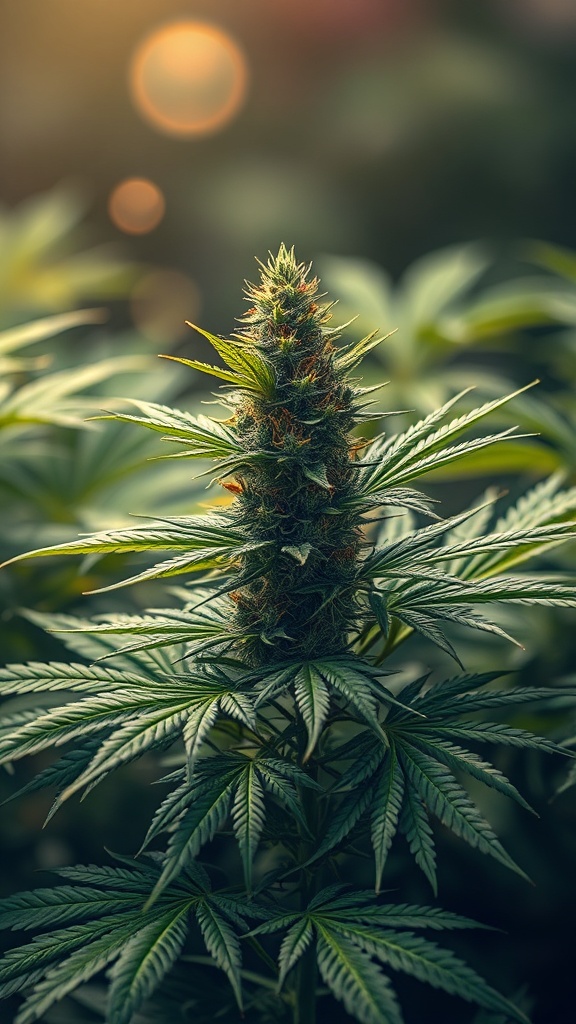
As acceptance grows and research expands, consumers have more options and more reason to be informed. Smart choices begin with understanding potency, effects, legal obligations, and safety practices — essentials for a positive experience with marijuana.