CBD Oil: What to Know Before You Buy
CBD oil continues to attract attention for its broad range of uses and growing body of research. Whether you’re curious about daily wellness, sleep support, or topical relief, understanding product differences, safety, and quality markers helps you shop smarter.
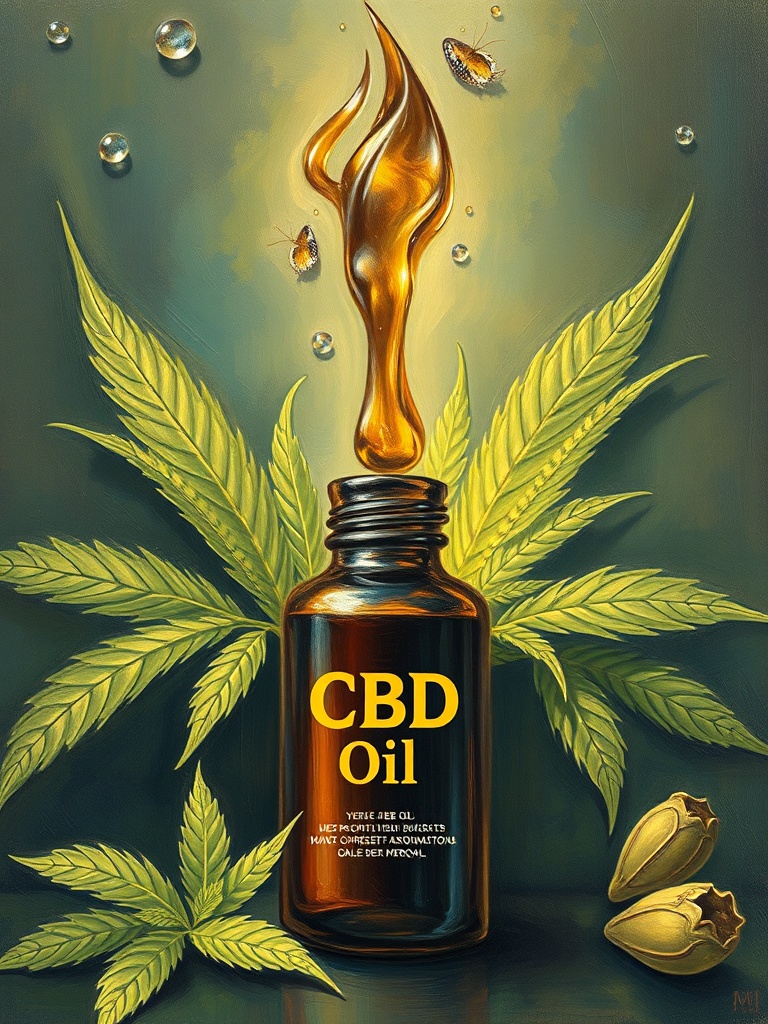
What is CBD oil?
CBD (cannabidiol) is a non-intoxicating compound extracted from hemp plants and typically combined with a carrier oil (like MCT, hemp seed, or olive oil) to create CBD oil.
Unlike THC, CBD does not produce a “high,” but it interacts with the body’s endocannabinoid and other signaling systems, which may influence mood, sleep, inflammation, and pain perception.
Types of CBD products
– Full-spectrum CBD: Contains CBD plus other naturally occurring cannabinoids, terpenes, and trace THC.
This profile can produce an “entourage effect,” where components work together.
– Broad-spectrum CBD: Similar to full-spectrum but processed to remove THC while retaining other cannabinoids and terpenes.
– CBD isolate: Pure CBD with no other cannabinoids or terpenes.
Best for those who want to avoid THC entirely.
Quality and extraction matter
High-quality CBD starts with reputable cultivation and safe extraction. CO2 extraction is widely regarded as a clean, efficient method that preserves cannabinoids and terpenes without leaving harmful solvent residues. Look for products that provide third-party lab reports (Certificates of Analysis or COAs) that confirm cannabinoid potency, absence of contaminants (pesticides, heavy metals), and residual solvent testing.
Choosing a product
– Check the COA: COAs should be recent, clear, and match the product batch.
– Know the CBD concentration: Labels should indicate mg of CBD per bottle and per serving.
– Look for transparency: Reputable brands disclose sourcing, extraction methods, and manufacturing standards.
– Consider carrier oil and delivery method: MCT oil can improve absorption, while hemp seed oil adds nutritional value but doesn’t enhance CBD bioavailability.
Dosing and bioavailability
There’s no one-size-fits-all dose. Start low and titrate slowly—many people begin with a small sublingual dose and adjust based on response. Delivery method affects onset and absorption:
– Sublingual tinctures: Faster onset and higher bioavailability than edibles.
– Edibles and capsules: Longer-lasting effects but slower onset due to digestion.
– Vaping: Rapid onset and high bioavailability, but potential respiratory concerns.
– Topicals: Targeted relief for superficial muscles and joints; systemic absorption is limited.
Safety and interactions
CBD is generally well tolerated, but side effects can include drowsiness, dry mouth, and changes in appetite. Importantly, CBD can interact with medications metabolized by cytochrome P450 enzymes, potentially altering blood levels of drugs like blood thinners and certain antidepressants. Avoid CBD if pregnant or breastfeeding unless a healthcare provider advises otherwise. Always consult a clinician before combining CBD with prescription medications.
Legal and testing considerations
Legal status varies by jurisdiction and often hinges on THC content. Full-spectrum products contain trace THC and could yield a positive result on sensitive drug tests. If drug testing is a concern, broad-spectrum or isolate products are safer options, but no product is completely risk-free unless explicitly verified.
Storage and shelf life
Store CBD oil in a cool, dark place away from direct sunlight and heat.
Properly stored products maintain potency longer and retain terpene profiles.
Final tips
Prioritize transparency and third-party verification. Start with a low dose, track effects, and consult a healthcare professional when in doubt. With careful selection and informed use, CBD oil can be a versatile option in a wellness toolkit.