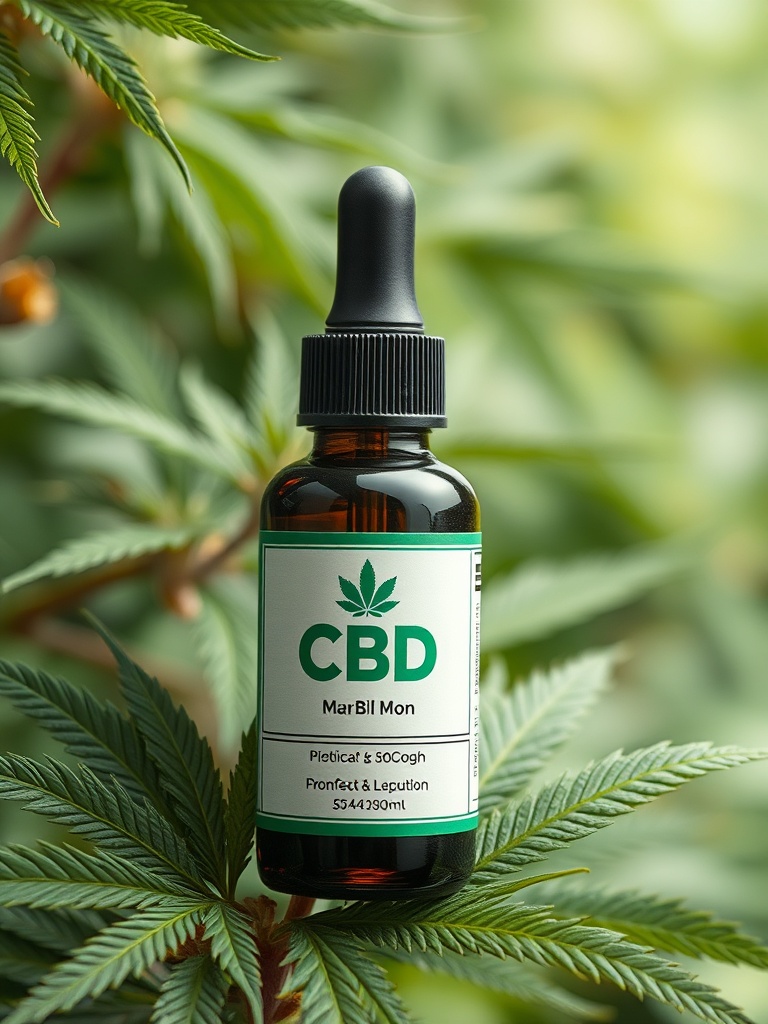
CBD oil has moved from niche wellness shelves to mainstream conversations thanks to growing interest in natural approaches to pain, stress, and sleep.
Understanding what CBD is, how it works, and how to choose a safe product helps you make informed decisions that match your health goals.
What is CBD oil?
CBD (cannabidiol) is a non-intoxicating compound found in hemp plants. CBD oil is created by extracting cannabidiol and blending it with a carrier oil such as MCT or hemp seed oil. Unlike THC, CBD does not produce a “high,” and it’s commonly used for its calming and anti-inflammatory effects.
Types of CBD products
– Full-spectrum: Contains CBD plus small amounts of other cannabinoids, terpenes, and trace THC. Many people report enhanced effects due to the entourage effect.
– Broad-spectrum: Includes multiple cannabinoids and terpenes but is processed to remove THC.
– Isolate: Pure CBD with no other cannabinoids or terpenes.
Extraction and quality
CO2 extraction is widely regarded as a clean, efficient method that preserves cannabinoids and terpenes. Solvent-based extraction can be effective but requires careful processing to remove residual solvents. Quality matters: look for products that provide a batch-specific certificate of analysis (COA) from an independent third-party lab showing cannabinoid profile, contaminant screens (pesticides, heavy metals, solvent residues), and potency.
How people use CBD
– Tinctures/sublingual drops: Offer relatively fast absorption when held under the tongue.
– Edibles and capsules: Provide longer-lasting effects but slower onset due to digestion.
– Vaping: Fastest onset but carries respiratory risks; choose vaping products cautiously.
– Topicals: Creams and balms for localized relief; effects remain mostly at the application site.
– Isolate powders: Useful for precise dosing or adding to foods and drinks.
Potential benefits and evidence
Research suggests CBD may help manage anxiety, support sleep, and reduce certain types of pain and inflammation.
There is also an FDA-approved CBD medication for specific seizure disorders, demonstrating CBD’s therapeutic potential under medical supervision.
Evidence varies by condition, and results differ between individuals.
Safety, interactions, and side effects
CBD is generally well tolerated, but possible side effects include drowsiness, dry mouth, gastrointestinal upset, and changes in appetite. CBD can interact with medications metabolized by liver enzymes (CYP450), including certain blood thinners and sedatives. Always consult a healthcare professional before starting CBD, especially if you take other prescription drugs, are pregnant or breastfeeding, or have liver disease.
Choosing the right product
– Verify third-party lab testing and check the COA for cannabinoid content and contaminants.
– Prioritize clear labeling: potency per serving, recommended serving size, and ingredient list.
– Prefer products made from hemp grown to tested agricultural standards.
– Start with a low dose and increase gradually while tracking effects.
Storage and shelf life
Store CBD oil in a cool, dark place to preserve potency. Avoid exposure to heat and light, and follow the manufacturer’s expiration guidance.
Legal considerations
Legal status varies by jurisdiction. Some places allow hemp-derived CBD with trace levels of THC, while others have stricter rules. Check local regulations before purchasing or traveling with CBD products.
An informed approach—prioritizing quality, transparent testing, and medical guidance—will help you explore CBD oil safely and effectively for personal wellness needs.