CBD oil has moved from niche wellness shelves into mainstream conversation, and understanding what it can — and can’t — do helps shoppers make safer, smarter choices.
This guide covers the essentials: what CBD oil is, how it’s used, potential benefits and risks, and how to pick quality products.
What is CBD oil?
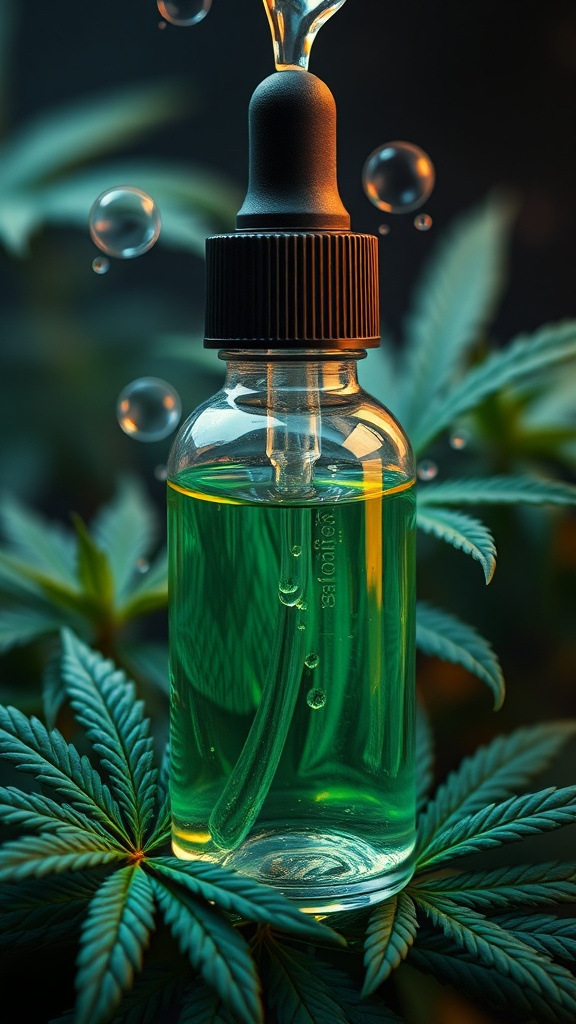
CBD (cannabidiol) is a non-intoxicating compound found in the cannabis plant. Most commercial CBD oil is extracted from hemp and blended with a carrier oil such as MCT (coconut) or hemp seed oil. Unlike THC, CBD does not produce a high. Products vary widely in strength, formulation, and intended use.
Types of CBD products
– Full-spectrum: contains CBD plus other cannabinoids and trace amounts of THC below legal limits; often marketed for the “entourage effect.”
– Broad-spectrum: includes multiple cannabinoids and terpenes but no detectable THC.
– Isolate: pure CBD with no other cannabinoids or terpenes.
How people use CBD
Common uses reported by consumers include managing mild anxiety, improving sleep quality, easing occasional pain or inflammation, and targeting localized discomfort with topical preparations. Forms include tinctures (sublingual drops), capsules, edibles, vaping liquids, and creams or balms. Bioavailability differs by method—vaping and sublingual tinctures generally act faster than edibles, while topicals target localized areas.
What the evidence says
Research on CBD is expanding, with some promising findings and many unanswered questions. Strong clinical evidence supports prescription CBD for select seizure disorders.
For anxiety, pain, and sleep, studies show potential benefits but vary in quality and size. More rigorous clinical trials are underway, and healthcare professionals recommend approaching CBD as a complementary option rather than a guaranteed cure.
Safety, side effects, and interactions
CBD is generally well tolerated for most people, but it can cause side effects such as drowsiness, dry mouth, digestive upset, and changes in appetite.
A key safety consideration is drug interactions: CBD can affect liver enzymes (CYP450), which may alter blood levels of medications such as blood thinners, certain antidepressants, and seizure drugs. People taking prescription medications, pregnant or breastfeeding individuals, and children should consult a healthcare provider before using CBD.
How to choose a quality CBD oil
– Third-party lab testing: Look for a certificate of analysis (COA) that confirms cannabinoid potency and checks for contaminants like pesticides, heavy metals, and residual solvents.
– Clear labeling: Verify the CBD concentration per serving and the type of extract (full-spectrum, broad-spectrum, isolate).
– Transparent sourcing and extraction: Hemp grown in clean soil and CO2 extraction methods are strong quality indicators.
– Avoid exaggerated claims: Be skeptical of products that promise to cure diseases or make medical claims not supported by clinical evidence.
Dosing guidance
Start low and go slow. Begin with a small dose and increase gradually while monitoring effects. Because individual response varies based on body weight, metabolism, and product potency, finding the right dose often requires experimentation under medical supervision if necessary.
Legal and regulatory considerations
Legal status differs by jurisdiction. Many places allow hemp-derived CBD with low THC levels, but rules vary and recreational or medical cannabis remains controlled differently. Check local regulations before buying or traveling with CBD products.
Practical tips
Store CBD oil in a cool, dark place to preserve potency.
Keep products out of reach of children and pets. If a product seems suspiciously inexpensive or makes dramatic health claims, consider choosing a more reputable brand with transparent testing.
CBD oil shows promise for certain uses and has become a staple in many wellness routines.
With careful selection, realistic expectations, and medical guidance when needed, it can be a useful option for people exploring complementary approaches to wellbeing.