CBD oil continues to be a leading wellness product thanks to growing interest and expanding product options. Whether you’re curious about therapeutic potential, shopping for quality, or adjusting a dose, understanding how CBD oil works and what to look for can help you make safer, more effective choices.
What CBD oil is
CBD (cannabidiol) is a naturally occurring compound found in hemp plants.
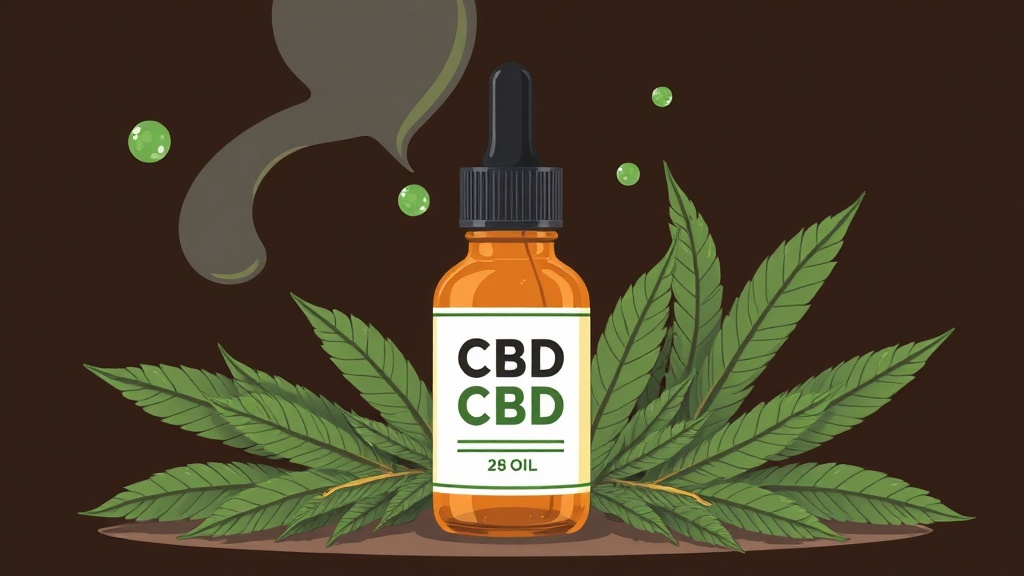
CBD oil is typically made by extracting cannabidiol and blending it with a carrier oil such as MCT, hemp seed, or olive oil. Products range from full-spectrum oils that include trace cannabinoids and terpenes to broad-spectrum (THC-free) and isolate products that are pure CBD.
Potential benefits and evidence
Research suggests CBD may influence the body’s endocannabinoid system, which plays a role in sleep, mood, pain perception, and immune response. Early studies and consumer reports indicate potential benefits for sleep support, mild stress relief, and localized discomfort when used topically. Evidence is evolving, and outcomes can vary widely by individual, dose, and product quality. Avoid viewing CBD as a one-size-fits-all solution—expect variable results and consult a healthcare professional when managing medical conditions.
Safety and precautions
CBD is generally well tolerated, but some users experience side effects such as drowsiness, dry mouth, digestive upset, or changes in appetite. CBD can interact with certain prescription medications by affecting liver enzymes (CYP450 pathway). If you take blood thinners, anti-seizure drugs, or other medications metabolized by the liver, check with a healthcare provider before starting CBD. Avoid use during pregnancy and breastfeeding unless cleared by a clinician.
Choosing quality CBD oil
Prioritize transparency and safety when choosing products:
– Third-party lab testing: Look for a Certificate of Analysis (COA) verifying cannabinoid content and screening for pesticides, heavy metals, solvents, and microbes.
– Clear labeling: THC and CBD amounts per serving should be listed; batch numbers and extraction method are helpful.
– Extraction method: CO2 extraction is preferred for producing clean, solvent-free extracts.
Ethanol extraction can be high quality if properly done; avoid products that list residual solvents without testing.
– Spectrum: Decide between full-spectrum (contains trace THC and terpenes), broad-spectrum (multiple cannabinoids but no detectable THC), or CBD isolate (pure CBD) based on your sensitivity to THC.
– Source and cultivation: Organic or pesticide-free hemp from reputable farms reduces contamination risk.
Dosing and administration
There’s no universal dose. A common approach is “start low, go slow”: begin with a small dose (for many adults, a few milligrams) and increase gradually while monitoring effects. Tinctures taken sublingually offer relatively fast absorption; capsules and edibles are convenient but have slower onset due to digestion. Vaping delivers rapid effects but carries respiratory risks; topical applications act locally and aren’t typically absorbed systemically.
Forms of CBD
Available formats suit different goals: tinctures, capsules, gummies, vapes, topicals (creams, balms), patches, and concentrates. Choose the form that fits your lifestyle and the symptom you’re targeting.
Storage and shelf life
Store CBD oil in a cool, dark place to preserve potency. Keep bottles tightly sealed and follow manufacturer recommendations for shelf life.
Legal status and local rules
Hemp-derived CBD products with very low THC are treated differently from marijuana in many jurisdictions, but laws and enforcement vary. Check local regulations before buying or traveling with CBD.
Final tips
Look for transparency, lab-tested products, and clear dosage information. When used responsibly and sourced from reputable brands, CBD oil can be a useful part of a wellness routine—but medical guidance is essential when you have health conditions or take other medications.