CBD oil has moved from niche wellness shelves to mainstream use, thanks to growing interest in natural remedies and expanding product options. Understanding what CBD oil is, how it works, and how to choose a quality product helps consumers make safer, more effective decisions.
What CBD oil is
CBD (cannabidiol) is a non-intoxicating compound found in hemp and cannabis plants. CBD oil is typically made by extracting cannabidiol and combining it with a carrier oil such as MCT (coconut) oil, hemp seed oil, or olive oil. Unlike THC, CBD does not produce a “high,” but it interacts with the body’s endocannabinoid system, which influences mood, pain, sleep, and inflammation.
Types of CBD products
– Full‑spectrum: contains CBD plus other cannabinoids, terpenes, and trace THC (usually up to regulatory thresholds). Many users seek full‑spectrum for the “entourage effect,” where compounds work synergistically.
– Broad‑spectrum: includes multiple cannabinoids and terpenes but has nondetectable THC.
– CBD isolate: pure cannabidiol with no other cannabinoids or terpenes.
Common uses and the evidence
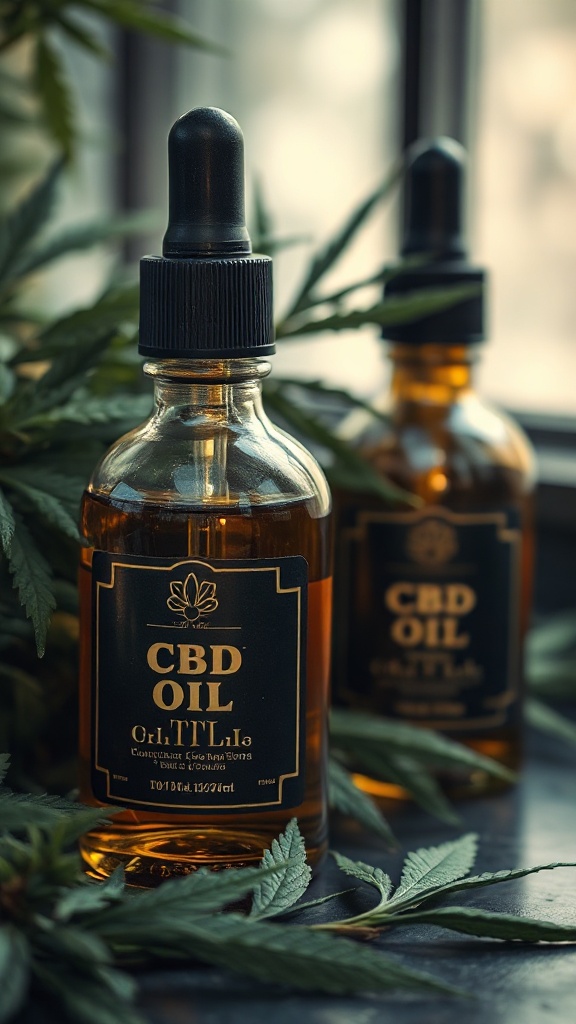
People use CBD oil for a range of concerns: managing mild anxiety, easing occasional sleeplessness, supporting recovery from exercise-related soreness, and addressing localized discomfort with topical formulations. Scientific evidence is strongest for certain specific medical uses, while for many wellness claims, research is ongoing and sometimes mixed. Expect variable responses—some people notice clear benefits, others experience subtle or no change.
Safety, side effects, and interactions
CBD is generally well tolerated, but possible side effects include drowsiness, dry mouth, gastrointestinal upset, appetite changes, and fatigue. Rarely, CBD can affect liver enzymes, so people with liver conditions or those taking multiple medications should be cautious. CBD can interact with drugs metabolized by cytochrome P450 enzymes—examples include certain blood thinners, anticonvulsants, and statins—so check with a healthcare professional before starting CBD if you’re on prescription medication.
Dosing and administration
There’s no one-size-fits-all CBD dose.
A practical approach is “start low and go slow”: begin with a low dose (often a few milligrams) and increase gradually while monitoring effects. Tinctures taken sublingually offer faster onset than edibles, which require digestion and take longer to act.
Capsules provide consistent dosing; topicals target localized areas; inhaled forms act quickly but carry respiratory risks and may be less suitable for routine use.
How to choose quality CBD oil
– Look for third‑party lab testing (Certificate of Analysis) to verify CBD potency and confirm absence of contaminants like pesticides, heavy metals, and residual solvents.
– Check cannabinoid profile and THC content to match your needs and legal requirements.
– Prefer CO2-extracted products or reputable ethanol extractions—these methods better preserve cannabinoid and terpene profiles.
– Read ingredient lists and avoid unnecessary additives or synthetic flavors.
– Buy from transparent brands with clear dosing information and customer support.
Storage and labeling
Store CBD oil in a cool, dark place away from heat and sunlight to preserve potency. Understand label terms: mg refers to total CBD per bottle and per serving; serving size matters for accurate dosing.
Making an informed choice
CBD oil can be a useful option within a broader wellness plan when chosen and used responsibly. Prioritize product quality, consult a healthcare professional about interactions and dosing, and follow a measured approach to assess whether CBD delivers the benefits you seek.