CBD oil has moved from niche wellness trend to mainstream option for people looking to support sleep, stress management, and overall balance. Understanding what CBD oil is, how it works, and how to choose a high-quality product helps separate useful options from overhyped or unsafe choices.
What is CBD oil?
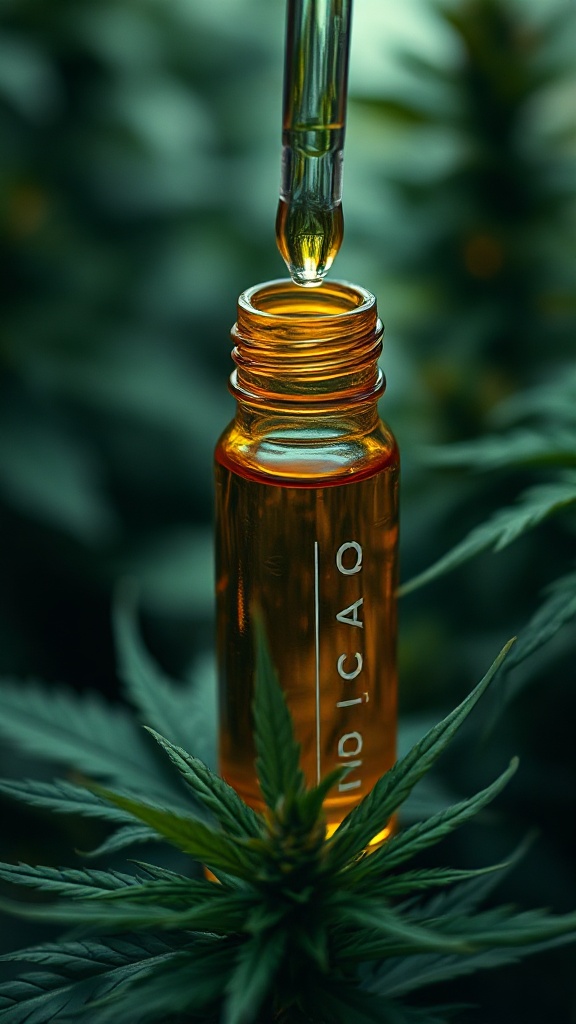
CBD (cannabidiol) is a non-intoxicating compound found in cannabis plants. When extracted and blended with a carrier oil, it becomes CBD oil. Unlike THC, CBD does not produce a “high,” but it interacts with the body’s endocannabinoid system and other signaling networks, which may influence mood, pain perception, and inflammation.
Potential benefits and evidence
Research on CBD is expanding.
Strong evidence supports a prescription CBD medication for certain seizure disorders, and there is promising clinical and anecdotal evidence for easing anxiety, improving sleep quality for some people, and helping manage chronic pain and inflammation. Effects are individualized: some people notice clear benefits, while others experience minimal change. Expect cautious claims from reputable brands—anything promising a cure should raise a red flag.
Types of CBD oil
– Full-spectrum: Contains CBD plus other cannabinoids, terpenes, and trace THC. Many users prefer it for the “entourage effect,” where multiple plant compounds work together.
– Broad-spectrum: Includes multiple cannabinoids and terpenes but is processed to remove THC.
– Isolate: Pure CBD with no other cannabinoids or terpenes, useful for people who want to avoid THC entirely.
How to choose quality CBD oil
Because the industry is only partially regulated, quality varies widely.
Use this checklist when shopping:
– Third-party lab reports (COAs): Verify potency and confirm absence of heavy metals, solvents, pesticides, and microbial contaminants.
– Clear labeling: Look for CBD amount per bottle and per serving, carrier oil type (MCT, hemp seed), and recommended serving size.
– Extraction method: CO2 extraction is considered high-quality and avoids solvent residues.
– Source of hemp: Farms that publish growing practices (organic or low-pesticide, traceable seed-to-sale) are preferable.
– Reputation and transparency: Brands that answer questions, publish batch results, and have clear customer service policies are more reliable.
Dosing and administration
Start low and go slow. A common approach is beginning with a small dose (for example, a few milligrams) and increasing gradually until the desired effect is found. Common administration routes:
– Sublingual (under the tongue): Faster absorption and higher bioavailability than edibles.
– Edibles and capsules: Convenient and longer-lasting effects but slower onset.
– Topicals: Good for localized relief of muscle or joint discomfort; effects are typically localized and do not enter the bloodstream in significant amounts.
– Vaping: Rapid onset but carries potential respiratory risks and requires careful product vetting.
Safety and interactions
CBD can cause side effects such as drowsiness, dry mouth, and digestive changes in some people.
It can interact with medications metabolized by cytochrome P450 enzymes (for example, certain blood thinners). Always consult a healthcare professional before combining CBD with prescription medications or if you have significant health conditions.
Practical final tips
Choose products with transparent testing, start with a low dose, and track responses over several days to weeks. Check local laws about THC limits and possession. With careful selection and realistic expectations, CBD oil can be a useful addition to a wellness routine for many people.