Cannabis: What Consumers Should Know Now
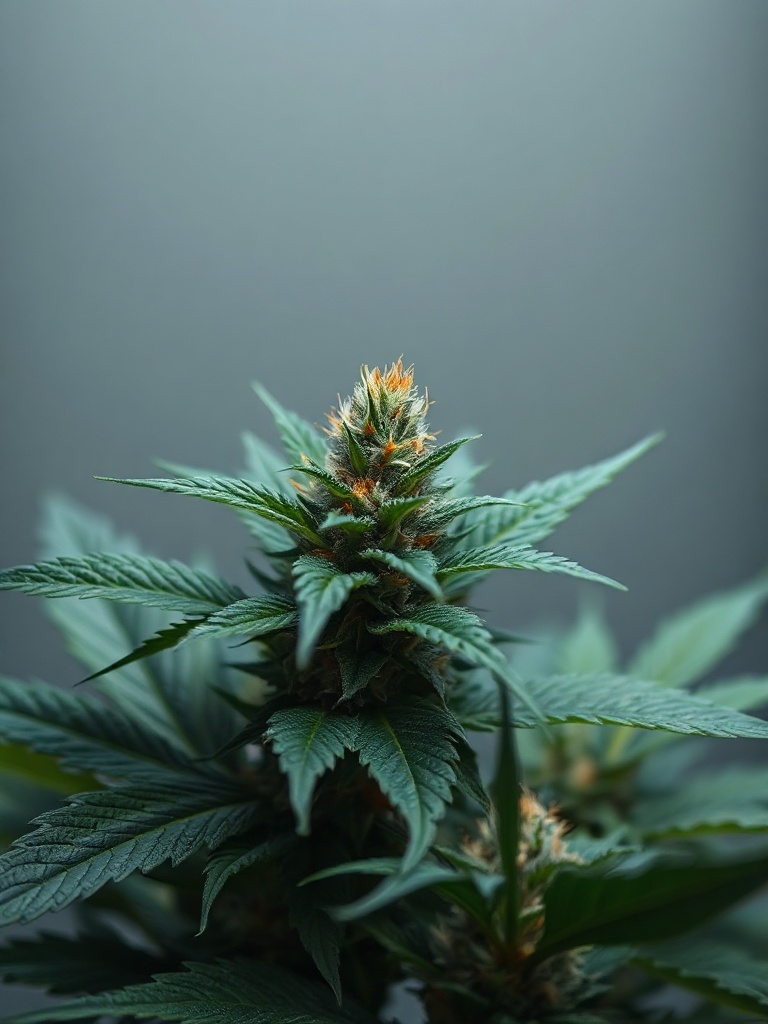
Cannabis continues to evolve from a taboo plant to a mainstream wellness and recreational product. Whether you’re curious about medical cannabis, exploring CBD, or shopping for flower or edibles, understanding product types, safety, and market trends will help you make informed choices.
Product types and what they do
– Flower: The traditional smoked or vaped form. Effects depend on cannabinoid ratios (THC, CBD) and terpene profiles that influence aroma and character.
– Concentrates: Oils, rosin, shatter, and live resin deliver high potency for experienced users and for some medical applications.
– Edibles and beverages: Popular for discreet consumption and longer-lasting effects. Dosing is less predictable, so patience and precise dosing are essential.
– Tinctures and sublinguals: Fast-acting relative to edibles and easy to dose for therapeutic use.
– Topicals: Creams and patches intended for localized relief without psychoactive effects when formulated without THC.
Choosing quality: buy smart
Buy from licensed retailers whenever possible.
Look for products with clear labeling: cannabinoid content, serving size, batch numbers, and third-party lab results (COAs). Lab reports confirm potency and check contaminants like pesticides, heavy metals, and residual solvents. Avoid products with vague ingredient lists or unverified health claims.
Dosage and safety tips
– Start low, go slow: Begin with a small dose and wait long enough to feel effects before taking more—especially with edibles.
– Know your tolerance: Frequency of use, body chemistry, and prior experience influence how you respond.
– Don’t mix with alcohol or other depressants. Combining substances can intensify impairment.
– Keep out of reach of children and pets. Childproof packaging and clear labeling reduce accidental ingestions.
– If you’re pregnant, breastfeeding, or on prescription medications, consult a healthcare provider before using cannabinoids.
Trends shaping the market
– Terpene-forward products: Brands are highlighting terpene profiles to market specific effects such as relaxation or focus.
– Microdosing: Lower-dose products allow users to achieve subtle effects without heavy intoxication, appealing to professionals and health-minded consumers.
– Hemp-derived cannabinoids: CBD remains widely used, while other hemp-derived compounds are gaining attention. Regulatory clarity varies regionally, so verify product legality and testing.
– Cannabis-infused beverages and fast-onset tech: Innovations aim to make onset times quicker and dosing more consistent, improving the usability of edibles and drinks.
– Sustainability and transparency: Consumers increasingly expect responsible cultivation practices, recyclable packaging, and traceability from seed to sale.
Legal and workplace considerations
Even where retail sales are legal, federal, regional, and workplace rules can differ.
Employment policies often restrict cannabis use, and marijuana impairment can have safety and legal consequences. Understand local laws, transportation rules, and workplace drug testing policies before using cannabis around work or travel.
Medical use and research
Medical cannabis is used to manage symptoms like chronic pain, nausea, and certain neurological conditions. Research continues but faces regulatory hurdles that limit large-scale studies. If considering cannabis for medical reasons, discuss options, dosing, and potential drug interactions with a healthcare professional experienced in cannabinoid therapeutics.
Final thoughts
As the cannabis landscape advances, prioritize safety, lab-verified products, and responsible dosing.
Whether exploring cannabis for wellness or recreation, informed choices and trusted retailers will help you get the intended benefits while minimizing risks.