CBD oil remains one of the most talked-about natural supplements, with consumers drawn to its potential calming effects, flexible dosing, and broad range of delivery options.
Whether you’re curious about how it works, how to choose a product, or what safety precautions to take, this guide covers the essentials so you can make informed choices.
How CBD works
CBD (cannabidiol) interacts indirectly with the body’s endocannabinoid system, a network that helps regulate sleep, mood, appetite, and pain perception.
Unlike THC, CBD does not produce an intoxicating “high.” Many users report reduced stress, more restful sleep, and relief from minor aches, though responses vary and more rigorous clinical research is still developing.
Choosing the right product
The market offers three main CBD product types:
– Full-spectrum: Contains CBD plus other cannabinoids, terpenes, and trace THC, which may enhance effects via the “entourage effect.”
– Broad-spectrum: Similar to full-spectrum but without detectable THC.
– Isolate: Pure CBD with no other cannabinoids.
Look for clear labeling and a certificate of analysis (COA) from an independent lab. COAs confirm cannabinoid content and screen for contaminants such as heavy metals, pesticides, and residual solvents.
Prefer brands that use CO2 extraction and organic hemp to minimize contaminants.
Forms and bioavailability
How you take CBD affects onset and intensity:
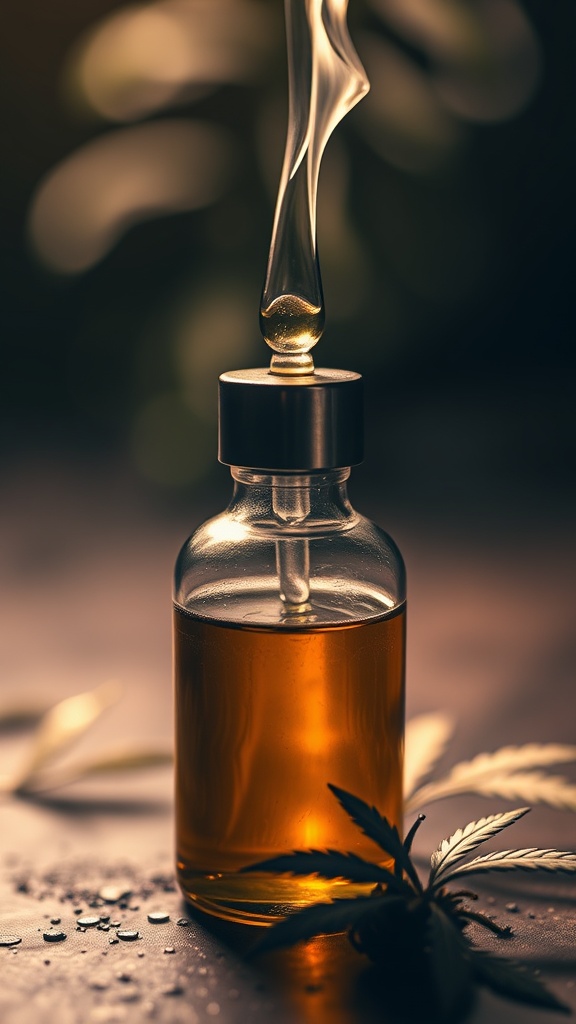
– Tinctures (sublingual): Placed under the tongue for faster absorption; onset within 15–45 minutes for many people.
– Capsules and edibles: Convenient and discreet but slower to take effect due to digestion; effects can last longer.
– Vapes: Rapid delivery and high bioavailability, but vaping carries inhalation risks and may not be suitable for everyone.
– Topicals: Applied directly to the skin for localized relief without systemic effects.
– Water-soluble or nanoemulsion formulas: Designed to improve absorption and provide more predictable results.
Dosing basics
“Start low and go slow” is the most reliable approach.
Begin with a modest dose and increase gradually based on how you respond. Track effects over several days to identify the dose that achieves the desired benefits without unwanted side effects.
Safety and interactions
CBD is generally well tolerated but can cause side effects like drowsiness, dry mouth, appetite changes, or diarrhea in some people. Importantly, CBD can interact with medications metabolized by liver enzymes (CYP450 system). Consult a healthcare professional before starting CBD if you take prescription drugs, especially blood thinners or medications with a narrow therapeutic window.
Quality checks before buying
– Verify third-party lab testing and batch-specific COAs.
– Confirm the extraction method and source of hemp.
– Check serving size and CBD per serving.
– Avoid products with unclear ingredient lists or exaggerated health claims.
Emerging trends
Manufacturers are refining formulations to improve absorption (liposomal and nanotechnology), combining CBD with complementary cannabinoids like CBN or CBG for targeted effects, and creating personalized dosing options. Transparency and product testing remain top priorities for reputable brands.
Final thoughts
CBD oil can be a useful tool for wellness when chosen and used thoughtfully.
Prioritize third-party testing, clear labeling, and a cautious dosing strategy. If you have medical conditions or take medications, seek professional medical guidance to ensure safe use.