Understanding the modern marijuana landscape: what to know before you buy or consume
Marijuana remains a fast-evolving topic across health, law, and lifestyle.
Whether you’re exploring cannabis for symptom relief, recreational use, or curiosity, staying informed about product types, safe consumption, and legal responsibilities makes a big difference to the experience and outcomes.
What’s in marijuana: THC, CBD, and more
Cannabis contains dozens of cannabinoids and terpenes that influence effects. THC is the primary psychoactive compound that produces intoxication and alters perception. CBD is non-intoxicating and often used for symptom management like anxiety or sleep disturbances. Other components—CBG, CBC, and terpene profiles—can shape the aroma and subtle effects. Look for products with clear lab results showing cannabinoid content and contaminants testing.
Choosing the right product and consumption method
Products range from flower and pre-rolls to vape cartridges, tinctures, topicals, and edibles. Each method has pros and cons:
– Smoking or vaping: fast onset and easier dose titration, but consider respiratory risks and buy from trusted suppliers to avoid harmful additives.
– Edibles: discreet and long-lasting effects, but onset is delayed and dosing is less predictable—start low and wait before consuming more.
– Tinctures and sublinguals: faster than edibles and easier to control dose.
– Topicals: localized benefit without systemic intoxication, commonly used for muscle or joint relief.
Safety and dosing basics
Start with low doses and increase slowly.
Many new users follow a “start low, go slow” approach—small amounts, if needed, increase gradually while noting effects. Keep in mind tolerance, body weight, metabolism, and recent food intake all affect response. Avoid mixing marijuana with alcohol or other depressants. People with a history of psychosis, certain heart conditions, or who are pregnant or breastfeeding should avoid cannabis and consult healthcare professionals before use.
Edibles and delayed effects
Edibles can take anywhere from under an hour up to a couple of hours to take effect and can last much longer than inhaled methods.
Because of the delay, many overdoses or uncomfortable experiences come from consuming additional servings too soon. When trying a new edible, wait to assess the full effect before repeating a dose.
Legal and workplace considerations
Legal status varies widely by location—some jurisdictions allow medical or recreational use under regulated frameworks, while others prohibit it. Even where use is legal, public consumption, operating vehicles while impaired, and workplace policies can carry penalties. Employers may still enforce drug-free workplace rules and testing, so understand local laws and company policies before using marijuana.
Quality, testing, and storage
Buy from licensed sources whenever possible. Trusted products have lab certificates verifying potency and absence of pesticides, heavy metals, and microbial contaminants. Store cannabis in a cool, dark, child-resistant container away from pets and children. Proper storage preserves potency and freshness.
Staying informed and making safer choices
Product labeling, lab testing, standardized dosing, and clearer regulations have made cannabis use safer and more predictable, but variability still exists. Keep up with consumer advisories from local health agencies, read labels closely, and speak with a clinician if you’re using cannabis therapeutically or taking other medications.
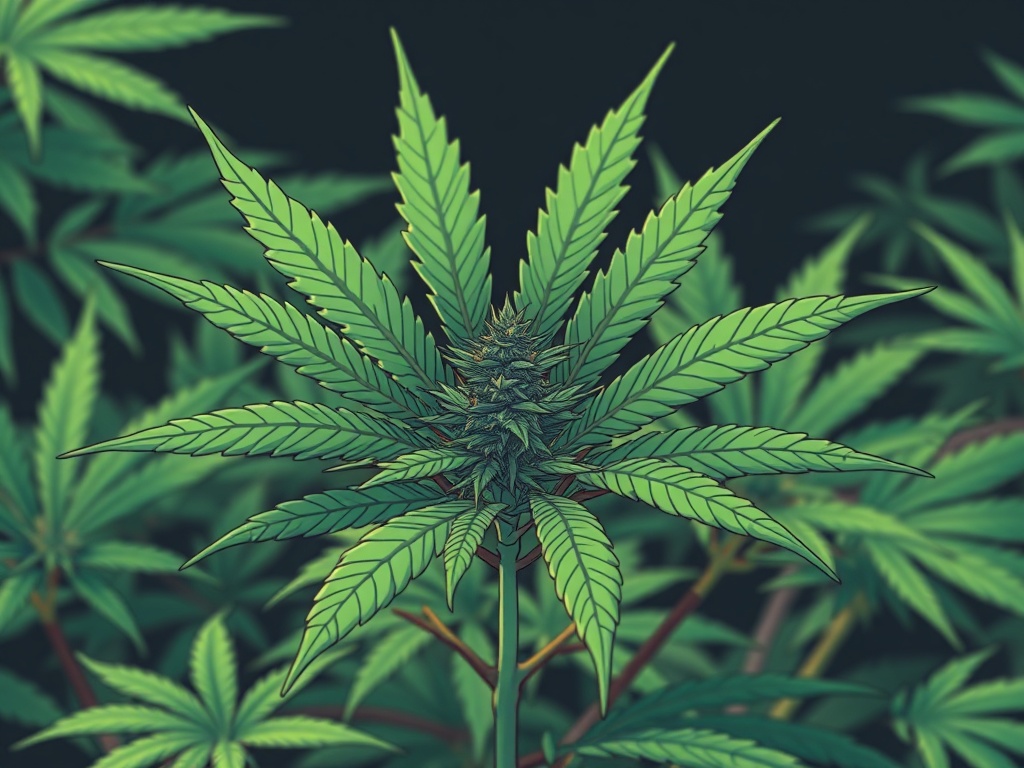
Practical guideline: read the label, start low, wait long for edibles, avoid mixing with alcohol or sedatives, and keep products secure. Staying cautious and informed helps ensure a safer, more positive experience with marijuana.