CBD oil remains one of the most discussed natural supplements for people seeking support with sleep, stress, pain management, and overall wellness. With products proliferating across retailers and online shops, understanding what to look for and how to use CBD safely can help you make a smarter choice.
What CBD oil is and how it works
CBD (cannabidiol) is a non-intoxicating compound found in the cannabis plant. It interacts with the body’s endocannabinoid system, which helps regulate mood, sleep, appetite, and pain perception. Unlike THC, CBD does not produce a “high.” Effects vary between individuals and depend on dose, product type, and use case.
Types of CBD oil
– Full-spectrum: contains CBD plus other cannabinoids, terpenes, and trace amounts of THC.
This may produce an “entourage effect,” where compounds work together for enhanced impact.
– Broad-spectrum: similar to full-spectrum but generally has THC removed while retaining other plant compounds.
– CBD isolate: pure CBD, with no other cannabinoids or terpenes. Good for people who must avoid THC entirely.
How CBD oil is made
Extraction methods matter. CO2 extraction is considered a premium method because it preserves cannabinoids and terpenes without leaving solvent residues. Ethanol extraction is common and effective when performed properly. Avoid products that don’t disclose extraction methods or leave unclear ingredient lists.
Choosing a quality product
– Third-party lab testing: always look for a Certificate of Analysis (COA) that verifies potency and confirms absence of pesticides, heavy metals, solvents, and microbial contaminants.
– Clear labeling: potency (mg per bottle and per serving), serving size, and ingredient list should be easy to find.
– Source of hemp: reputable brands disclose where their hemp is grown and provide farming practices. Organic or sustainably grown hemp reduces the risk of contaminants.
– Transparent manufacturing: information about extraction, formulation, and batch numbers builds trust.
Dosing and ways to use
Start low and increase gradually. Many people begin with a small dose (for example, a few milligrams) and slowly adjust until they notice the desired effect.
Typical routes of administration:
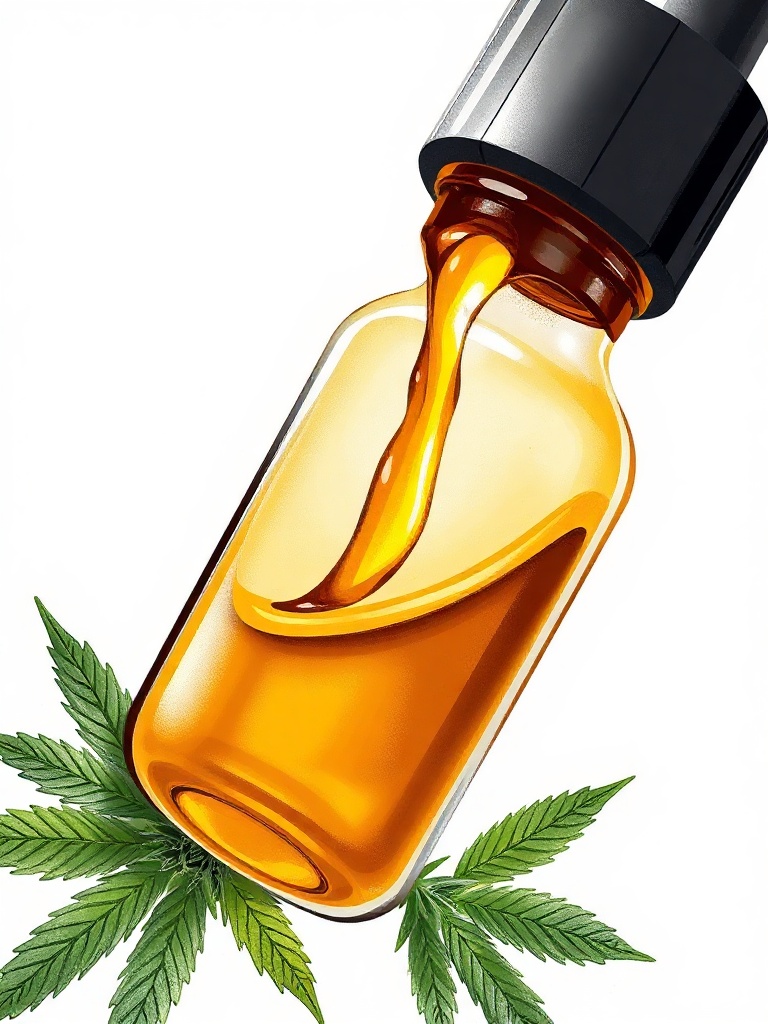
– Sublingual tinctures: placed under the tongue for faster absorption.
– Capsules and edibles: convenient and discreet; effects take longer to onset.
– Topicals: creams and balms for localized relief; they usually do not enter the bloodstream.
– Vaping: provides quick effects but carries inhalation risks and should be approached cautiously.
Safety and interactions
CBD is generally well tolerated, but side effects can include drowsiness, dry mouth, digestive upset, and changes in appetite. CBD can interact with certain medications that are metabolized by liver enzymes (CYP450 system). If you take prescription medications—especially blood thinners—consult a healthcare professional before using CBD.
Legality
Laws vary by country and region.
Hemp-derived CBD products with only trace amounts of THC are permitted in many areas, but local rules differ. Check regulations in your area and review product labels to confirm compliance.
Storage and Shelf Life
Store CBD oil in a cool, dark place away from heat and sunlight. Proper storage preserves potency and flavor.
Most products include a best-by date or batch information on the label.
Practical tips
– Look for brands with transparent COAs and clear dosing guidelines.
– Choose full- or broad-spectrum if you want the broader plant profile; choose isolate if you must avoid THC.
– Keep a usage diary to track dose, timing, and effects to find what works best.
When used thoughtfully and purchased from reputable sources, CBD oil can be a flexible option within a wellness routine. For personalized advice, especially if you have health conditions or take medications, consult a healthcare professional.