CBD oil has become a mainstream wellness option for people exploring natural approaches to stress, sleep, and pain management. Derived from hemp, CBD (cannabidiol) is a non-intoxicating compound that interacts with the body’s endocannabinoid system, which helps regulate mood, sleep, appetite, and inflammation.
Understanding how CBD oil works, its potential benefits, and how to choose a quality product will help you decide if it’s right for your routine.
How CBD oil differs from THC
Unlike THC, CBD does not produce a “high.” Hemp-derived CBD products are formulated to contain only trace amounts of THC, or none at all, depending on whether they’re full-spectrum, broad-spectrum, or isolates.
Full-spectrum contains CBD plus other cannabinoids and terpenes, which may enhance effects through the “entourage effect.” Broad-spectrum aims to deliver multiple hemp compounds without THC. Isolates contain only pure CBD.
Potential benefits and what the research shows
Research into CBD is evolving.
Some of the most commonly reported benefits include:
– Reduced anxiety and stress for some users, particularly for situational anxiety
– Improved sleep quality when sleep problems are linked to stress or anxiety
– Pain and inflammation relief for chronic conditions or localized issues when used topically
– Seizure reduction in specific, medically diagnosed conditions (there are approved pharmaceutical CBD formulations for certain seizure disorders)
Evidence varies by condition. Strongest support exists for seizure-related uses, while results for pain, anxiety, and sleep are encouraging but more mixed. Ongoing clinical studies continue to clarify effective doses and long-term safety.
Safety, side effects, and interactions
CBD is generally well tolerated, but it can cause side effects such as dry mouth, drowsiness, gastrointestinal upset, and changes in appetite. CBD can interact with medications metabolized by liver enzymes (CYP450), including certain blood thinners and anti-seizure drugs. If you take prescription medication, are pregnant, nursing, or have liver issues, consult a healthcare professional before trying CBD.
Forms of CBD oil
CBD comes in several formats:
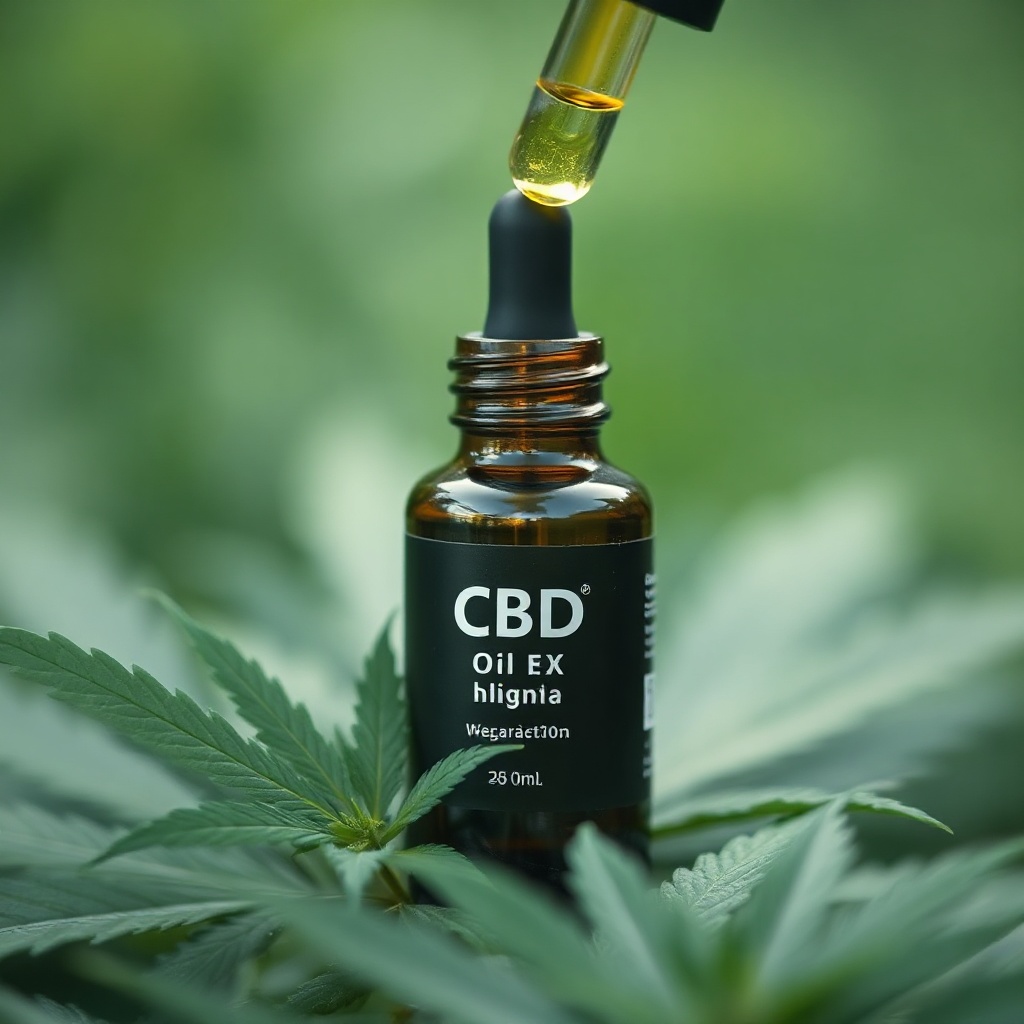
– Tinctures: Oil drops taken under the tongue for relatively fast absorption
– Capsules & edibles: Convenient, pre-measured doses with slower onset
– Topicals: Creams, balms, and patches for localized relief
– Vapes: Fast-acting inhalation delivery; approach with caution due to potential lung risks
– Concentrates: Higher-potency options for experienced users
How to choose a quality product
With a crowded market, look for reliable quality markers:
– Third-party lab testing and accessible Certificates of Analysis (COAs)
– Clear labeling of CBD content per serving and per bottle
– Information about extraction method (CO2 extraction is preferred)
– Transparent sourcing (organic or pesticide-free hemp)
– Avoid products making unverified medical claims
Dosing tips
There’s no universal dose. Start low and go slow: begin with a small amount and increase gradually while monitoring effects.
Keep a simple log of dose and symptoms to find the minimum effective dose for your needs. If using for a specific health condition, get clinician guidance for appropriate dosing and monitoring.
Regulation and legal considerations
Regulation varies by jurisdiction. Many places allow hemp-derived CBD with only trace THC, while others have stricter rules.
Keep local laws in mind when purchasing or traveling with CBD products.
Deciding if CBD oil is right for you
CBD oil can be a helpful adjunct for managing stress, sleep, and mild pain for some people.
Prioritize product quality, consult a healthcare professional when needed, and approach dosing thoughtfully.
With careful selection and realistic expectations, CBD can be integrated safely into many wellness routines.