CBD Oil: Practical Guidance on Uses, Quality, and Safety
What is CBD oil?
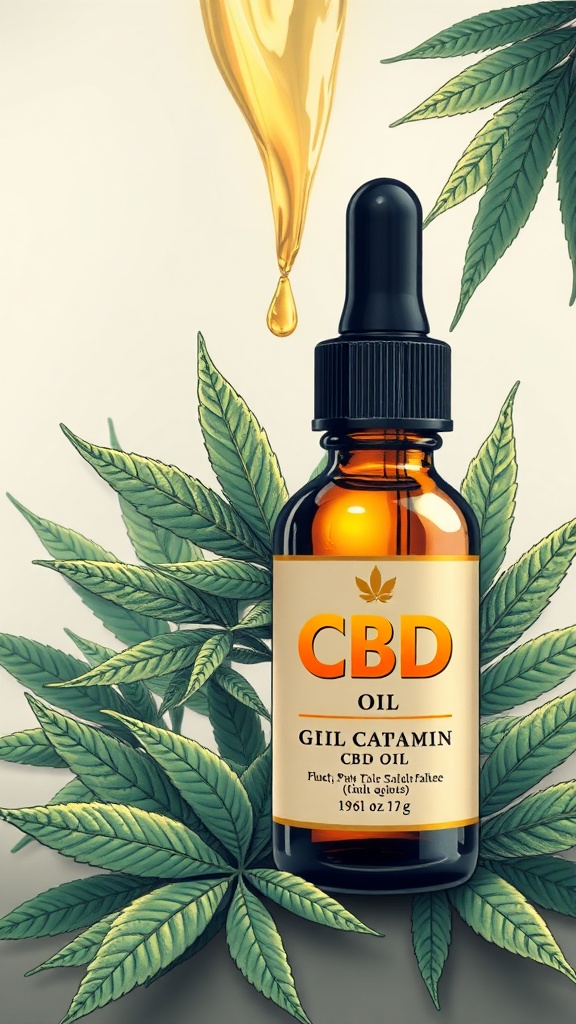
CBD (cannabidiol) is a non-intoxicating compound found in hemp and cannabis plants. CBD oil is a concentrated form of cannabidiol combined with a carrier oil (often MCT, hemp seed, or olive oil) for easier dosing and absorption. Unlike THC, CBD does not produce a “high,” which is why many people turn to CBD products for daily wellness support.
Common uses and potential benefits
People use CBD oil for a range of reasons: to support restful sleep, ease everyday stress, reduce occasional soreness, and promote skin health when applied topically.
Clinical research supports certain medical uses—regulatory agencies have approved a CBD-derived prescription for specific seizure disorders—while evidence for other claims is growing but still emerging. Expect varied experiences: some users report quick effects, others notice benefits only after consistent use.
Types of CBD products
– Full-spectrum: contains CBD plus other cannabinoids, terpenes, and trace THC within legal limits.
Many prefer this for the entourage effect, which may enhance benefits.
– Broad-spectrum: retains multiple cannabinoids and terpenes but is processed to remove THC.
– Isolate: pure CBD with no other cannabinoids or terpenes, often preferred by those wishing to avoid THC entirely.
Delivery methods and bioavailability
– Sublingual tinctures: placed under the tongue for relatively fast absorption.
– Capsules and edibles: convenient, longer-lasting effects but slower onset due to digestion.
– Vaping: provides rapid effects but carries inhalation-related risks and product quality is critical.
– Topicals: applied to skin for localized relief with minimal systemic absorption.
How to choose high-quality CBD
– Look for third-party lab reports (Certificates of Analysis, COAs): these verify potency and screen for contaminants like pesticides, heavy metals, residual solvents, and microbial impurities.
– Prefer CO2 or ethanol extraction methods: these are widely regarded as clean and efficient when performed correctly.
– Check for transparent labeling: clear CBD content per serving, full ingredient list, and batch numbers tied to COAs.
– Favor manufacturers following Good Manufacturing Practices (GMP) and offering clear customer support and return policies.
Dosing basics and best practices
There’s no one-size-fits-all dose. A practical approach is to start low and go slow: begin with a small dose (for many people this can be 5–10 mg) and gradually increase until desired effects are reached. Keep a dosing log to track amounts, timing, and outcomes. If you take other medications, consult a healthcare professional before starting CBD because CBD can affect drug metabolism via the cytochrome P450 enzyme system.
Safety considerations
– Interactions: CBD can interact with prescription medications, especially those metabolized by liver enzymes. Always check with a prescriber.
– Side effects: mild and usually include sleepiness, dry mouth, or changes in appetite.
– Pregnancy and breastfeeding: avoid CBD due to limited safety data.
– Legal status: varies by jurisdiction; hemp-derived CBD with THC under the legal limit is commonly available, but local laws differ.
Shopping tips
Compare COAs across brands, favor transparent companies with clear sourcing and extraction details, and choose the product type that matches your needs (fast onset vs. sustained effect, systemic vs.
topical).
Beware of exaggerated claims—responsible brands will avoid promising cures.
Whether you’re exploring CBD oil for stress, sleep, or targeted relief, careful product selection, informed dosing, and medical guidance when needed will help you make safer, more effective choices.