What is CBD oil?
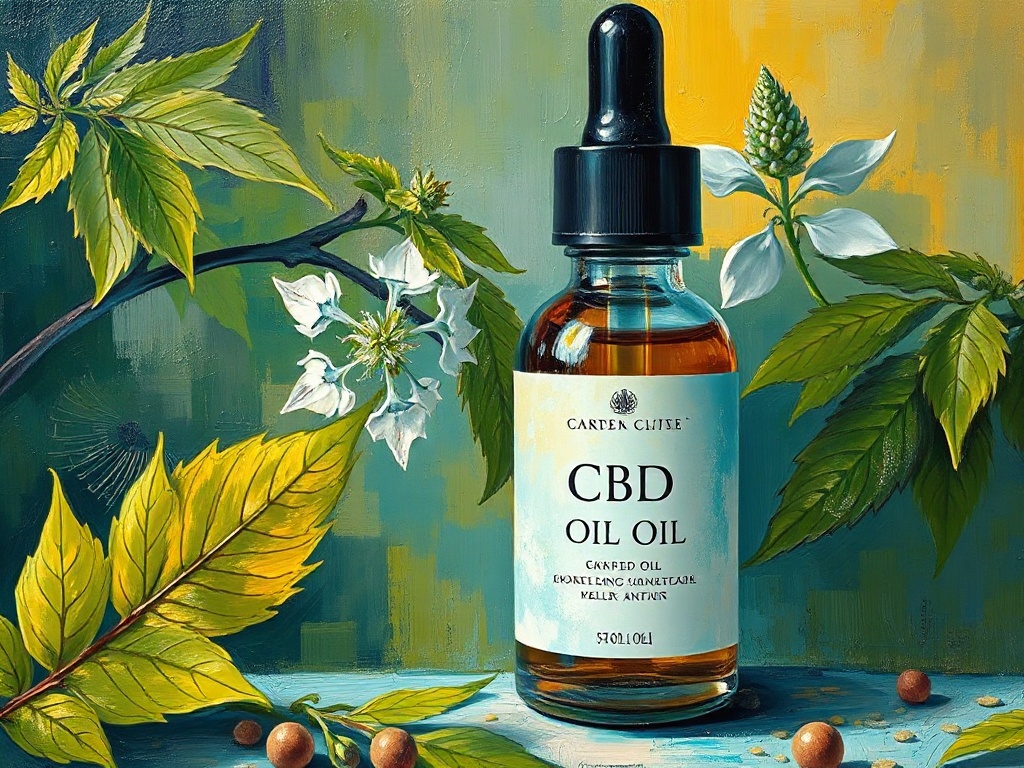
CBD oil is a cannabis-derived product that contains cannabidiol (CBD) diluted into a carrier oil.
Unlike THC, CBD is non-intoxicating, and many people use CBD oil for general wellness and symptom support.
Available in many strengths and formulations, it’s important to know how CBD is made, how it differs from other cannabinoid products, and how to choose a safe, effective option.
Types and formulations
– Full-spectrum: contains CBD plus a range of other cannabinoids, terpenes, and trace THC.
Proponents cite the “entourage effect”—the idea that multiple compounds can work together.
– Broad-spectrum: similar to full-spectrum but with THC removed, offering a multi-compound profile without detectable THC.
– CBD isolate: pure CBD with no other cannabinoids or terpenes.
Common product formats
– Tinctures and oils: placed under the tongue for relatively fast absorption.
– Capsules and softgels: convenient for consistent dosing.
– Edibles: CBD-infused gummies or treats with slower onset and longer duration.
– Topicals: creams and balms for localized application.
– Vapes: rapid onset but associated with inhalation risks; quality and safety depend heavily on formulation and device.
Extraction and carrier oil
CO2 extraction is widely regarded as a clean method that preserves cannabinoid and terpene profiles. Solvent-based methods can be cost-effective but require careful processing to remove residual solvents. Carrier oils matter for taste and absorption—MCT oil is popular for its neutral flavor and bioavailability; hemp seed and olive oil are other common carriers.
Choosing quality CBD oil
– Third-party testing: look for a Certificate of Analysis (COA) showing cannabinoid potency and the absence of contaminants (pesticides, heavy metals, residual solvents).
– Transparent labeling: total CBD per bottle and per serving, extraction method, and full ingredient list should be clear.
– Source of hemp: reputable brands use hemp grown under regulated agricultural standards.
– THC content: check whether the product is full-spectrum, broad-spectrum, or isolate, and confirm THC levels if avoiding psychoactive components.
Dosage and how to start
Start low and go slow. Many users begin with a small dose—often under 25 mg daily—and adjust gradually based on response.
Tinctures let users fine-tune doses, while capsules deliver consistent amounts.
Keep a simple log of dose, time, and effects to identify what works best.
Safety and interactions
CBD is generally well tolerated, but side effects can include drowsiness, dry mouth, and digestive changes. CBD can interact with certain medications processed by the liver’s CYP450 enzyme system—blood thinners and some antiepileptic drugs are notable examples. Consult a healthcare provider before starting CBD, especially if taking prescription medications, pregnant, or breastfeeding.
Legal considerations
Legal status varies by jurisdiction.
Hemp-derived CBD products with low THC are widely accessible in many regions, but local rules differ. Confirm local regulations before purchasing or carrying CBD products across borders.
Storage and shelf life
Store CBD oil in a cool, dark place and keep bottles tightly closed.
Exposure to heat, light, and air can degrade cannabinoids and terpenes, reducing potency over time.
Making an informed choice
Prioritize brands that publish third-party testing, explain extraction methods, and clearly label potency and ingredients. Focus on personal goals—daily wellness, sleep support, or targeted topical use—when selecting format and potency. When used thoughtfully and safely, CBD oil can be a flexible option within a broader wellness routine.