Marijuana remains a fast-evolving topic across health, policy, and consumer markets. Whether someone is curious about medical uses, recreational options, or safer consumption, understanding fundamentals helps make informed choices.
What marijuana is and how it works
Marijuana—also called cannabis—contains dozens of active compounds. The two most talked-about cannabinoids are THC (tetrahydrocannabinol), which produces psychoactive effects, and CBD (cannabidiol), which does not cause intoxication and is often used for symptom relief. Cannabinoids interact with the body’s endocannabinoid system, influencing mood, pain perception, appetite, and sleep.
Medical applications and evidence
Medical cannabis is commonly used for chronic pain, certain types of nausea, spasticity related to neurological conditions, and to support symptom control when other treatments fall short.
Evidence varies by condition and formulation; for many indications, moderate-quality studies show benefit, while others need more rigorous trials. Consulting a qualified clinician for personalized guidance remains essential.
Product types and consumption methods
– Flower: Smoked or vaporized; rapid onset and easy dose titration.
– Concentrates: Higher potency extracts for experienced users; require caution.
– Edibles: Stronger and longer-lasting effects due to liver metabolism; onset is delayed.
– Tinctures and sublinguals: Faster onset than edibles and easier dose control.
– Topicals: Applied to the skin for localized symptoms, generally non-intoxicating.
Safer consumption tips
– Start low and go slow: For THC, begin with a small dose and wait to assess effects before taking more. This is especially important with edibles, where effects can take an hour or more to peak.
– Prefer lab-tested products: Buy from licensed retailers that publish certificates of analysis (COAs) showing potency and the absence of contaminants like pesticides, heavy metals, and residual solvents.
– Choose vaporization over combustion: Vaporizers can reduce exposure to combustion byproducts, but quality and temperature control matter.
– Avoid mixing with alcohol or other sedatives: Combined effects can increase impairment and adverse reactions.
– Keep out of reach of children and pets: Edible products can look like common snacks and pose serious risks.
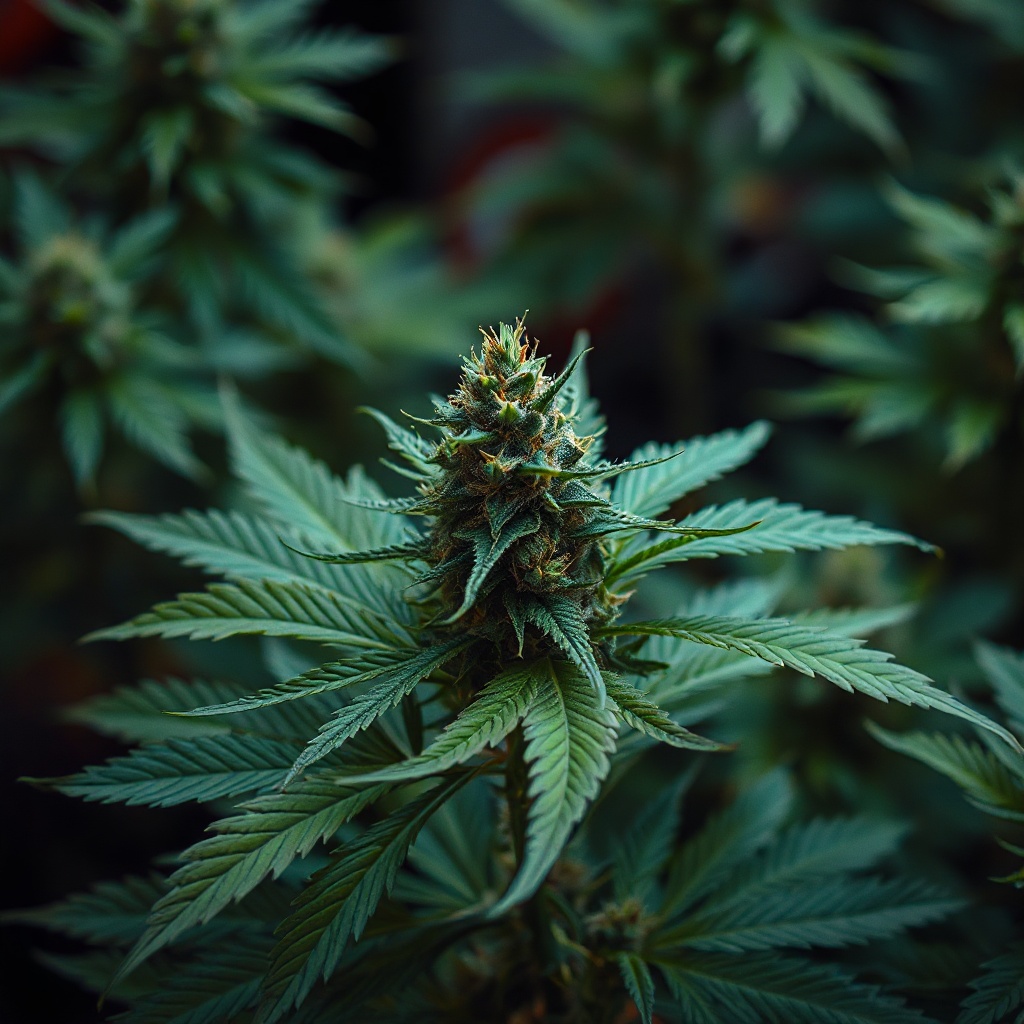
Potency, labeling, and terpenes
Pay attention to THC percentage and total milligrams per package. Labels should provide clear dose information. Terpenes—aromatic compounds such as myrcene, limonene, and pinene—contribute to aroma and may modulate subjective effects, though their role in clinical outcomes remains under study.
Safety considerations and mental health
Marijuana can impair coordination and reaction time; operating vehicles or heavy machinery while impaired increases crash risk. People with a personal or family history of psychosis, or who began heavy use at a young age, may face higher risks for adverse psychiatric outcomes. Tolerance and dependence can develop with frequent high-dose use; professional help is available for those who want to reduce or stop.
Legal and workplace issues
Legal status and workplace policies vary by jurisdiction and employer. Possession, distribution, and use may be regulated even where adult use is permitted. Drug testing for employment commonly screens for THC metabolites; CBD products can produce positive tests if they contain THC.
Final guidance
Making safer choices means understanding product types, dosing carefully, selecting lab-tested products, and considering personal health and legal context. When in doubt, consult a healthcare professional familiar with cannabis therapeutics and local regulations.