CBD vs THC: What Consumers Need to Know About Cannabis Products
Cannabis products are more widely available and varied than ever, and understanding the differences between the main cannabinoids—CBD and THC—helps shoppers pick the right product for their needs. This guide covers effects, product types, safety, testing, and buying tips to make informed choices.
How CBD and THC differ
– Psychoactive effects: THC is the primary psychoactive compound that produces the “high” associated with cannabis. CBD does not produce a comparable high and is commonly used for wellness purposes.
– Mechanism of action: Both interact with the endocannabinoid system but bind differently to receptors. THC activates CB1 receptors strongly; CBD modulates receptor activity and influences other signaling pathways.
– Common uses: THC is often chosen for recreational use or to address symptoms like appetite loss and certain types of pain. CBD is popular for perceived calming effects, sleep support, and inflammation management, though individual responses vary.
Types of cannabis products
– Full-spectrum: Contains CBD, THC (typically in low amounts depending on the product), and other cannabinoids and terpenes. Users report an “entourage effect” where compounds work synergistically.
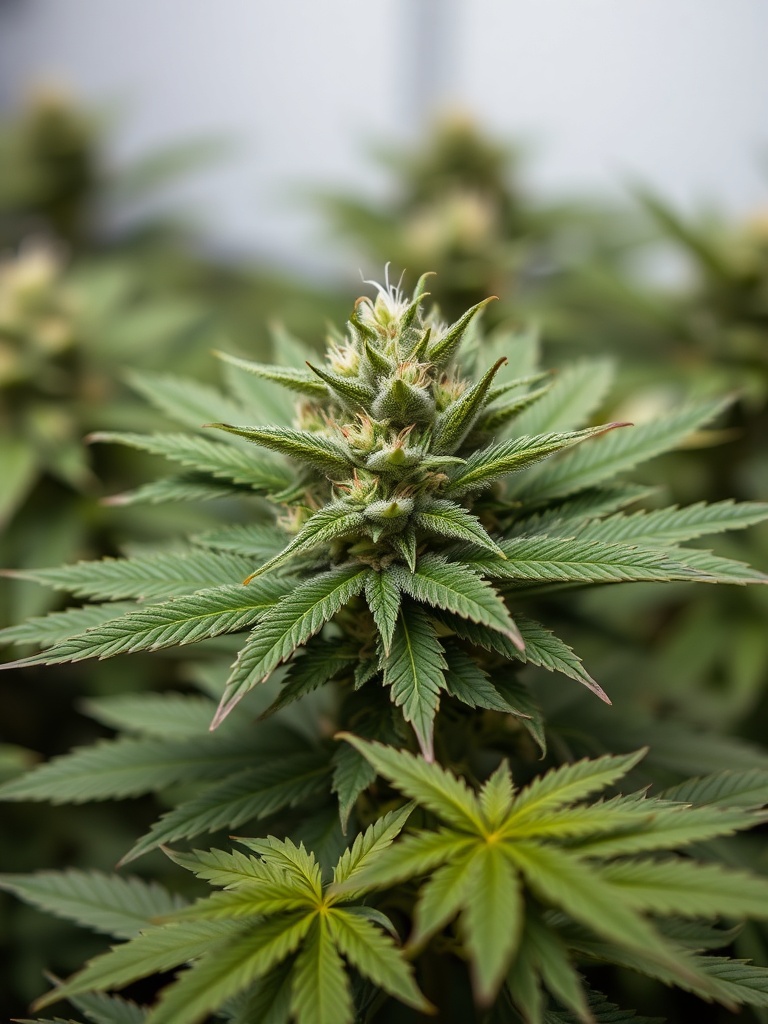
– Broad-spectrum: Similar to full-spectrum but with THC removed.
Offers multiple cannabinoids without THC’s psychoactive impact.
– Isolate: Pure CBD (or THC) with no other cannabinoids or terpenes. Preferred when avoiding trace THC is important.
– Consumption methods: Inhalation (vaping, smoking) delivers effects quickly; oral (edibles, capsules) provides longer-lasting but slower-onset effects; sublingual oils offer a balance of speed and duration; topicals target localized relief.
Legality and workplace considerations
Legal frameworks for CBD and THC vary widely by jurisdiction.
Some areas allow THC broadly, others restrict it to medical programs, and some limit CBD to products derived from industrial hemp with low THC content.
Employers may maintain drug-testing policies that detect THC—not CBD—so using products labeled “THC-free” does not always prevent a positive test if products are mislabelled or contaminated.
Safety, dosing, and interactions
– Start low, go slow: Begin with a low dose and increase gradually while monitoring effects. Dosage can depend on body chemistry, the product’s potency, and the condition being addressed.
– Drug interactions: CBD can interact with medications metabolized by certain liver enzymes (CYP450 system). Discuss use with a healthcare provider if you take prescription medications.
– Side effects: CBD is generally well tolerated but may cause drowsiness, digestive upset, or changes in appetite. THC can impair coordination, cognition, and driving ability.
– Vulnerable populations: People who are pregnant, breastfeeding, or have certain psychiatric conditions should avoid cannabis products unless advised otherwise by a clinician.
Buying tips
– Look for third-party lab testing: Certificates of analysis (COAs) validate cannabinoid content and screen for contaminants like pesticides, heavy metals, and residual solvents.
– Check ingredient transparency: Full ingredient lists and clear potency information matter, especially for edibles and topicals.
– Consider the route of administration: Match the delivery method to desired onset and duration of effects.
– Beware of unrealistic claims: No product should claim to cure serious medical conditions. Trusted brands focus on transparency and quality.
Whether exploring CBD for wellness or choosing a THC product, prioritizing safety, testing, and accurate labeling makes a big difference. Consult a healthcare professional for personalized guidance and follow local laws and workplace policies when using cannabis products.