Understanding Cannabis: Key Facts, Risks, and Safe Use
Cannabis, commonly called marijuana, has moved from niche use into mainstream conversation as medical and recreational access expands.
Whether you’re curious about health benefits, consumption methods, or legal and safety considerations, here’s a practical, evidence-based guide to help you make informed choices.
What’s in the plant
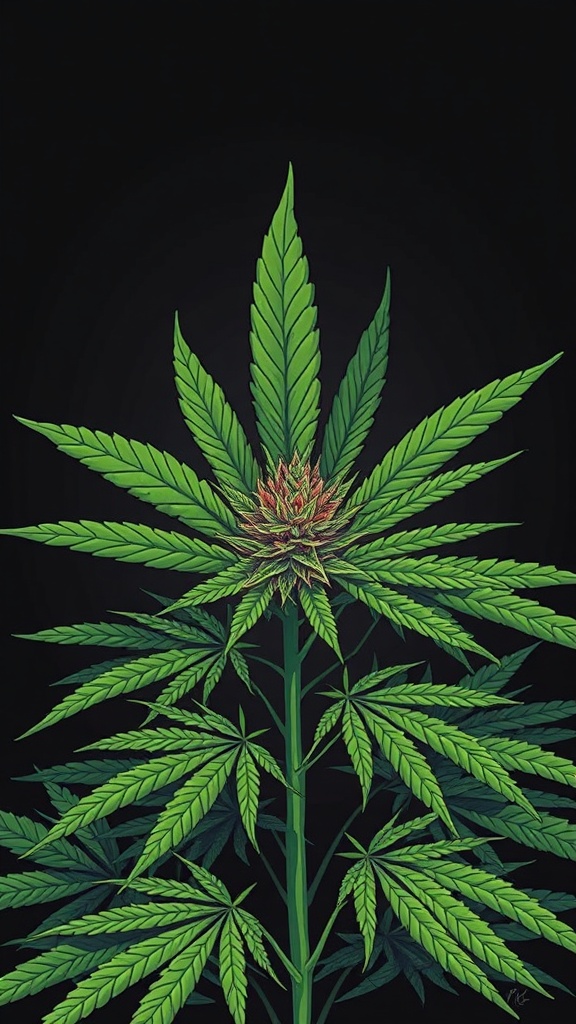
Cannabis contains hundreds of active compounds.
The two most discussed are THC, which produces psychoactive effects, and CBD, which is non-intoxicating and studied for therapeutic potential. Minor cannabinoids (like CBG and CBN) and terpenes (aromatic compounds) may influence effects through what is often called the “entourage effect.” Lab-tested products list cannabinoid percentages so consumers can compare potency.
Medical applications and evidence
There is solid evidence that cannabis or cannabinoid-based medicines can relieve chronic neuropathic pain, reduce spasticity in neurological conditions, and help manage chemotherapy-related nausea. CBD has proven effectiveness for certain childhood epilepsy syndromes. For conditions such as anxiety, insomnia, and generalized chronic pain, evidence is mixed and individual responses vary.
Always discuss cannabis use with a trusted healthcare provider, especially if you’re taking other medications or have underlying health conditions.
Consumption methods and dosing
Methods affect onset, intensity, and duration:
– Smoking and vaping: rapid onset and easier dose titration, but inhalation carries respiratory risks.
– Edibles: delayed onset (often 30–120 minutes) with longer, sometimes stronger effects—start with a low dose and wait before taking more.
– Tinctures and sublinguals: intermediate onset and easier dosing control.
– Topicals: localized relief with minimal systemic effects.
A general safety mantra is “start low, go slow.” New or inexperienced users should begin with very low THC doses and allow plenty of time to assess effects, particularly with edibles.
Safety, impairment, and interactions
Cannabis can impair coordination, reaction time, and decision-making. Avoid driving or operating heavy machinery while impaired. THC can show up on drug tests long after impairment, since many tests detect metabolites rather than current intoxication.
There are real risks for some individuals: frequent high-THC use increases the chance of dependence and may worsen risk for psychosis in people with a personal or family history. Cannabis can interact with medications—especially blood thinners, sedatives, and drugs metabolized by the liver—so medical consultation is important.
Pregnant and breastfeeding people are advised to avoid cannabis due to potential developmental effects.
Product quality and regulation
Product quality varies. Licensed retailers typically provide lab reports for potency and contaminant screening (pesticides, heavy metals, residual solvents, microbial contaminants). Buying from regulated sources reduces the risk of contaminated or mislabeled products. Homegrown and illicit market products lack consistent oversight.
Responsible storage and harm reduction
Keep all cannabis products out of reach of children and pets; edibles can be especially attractive and dangerous. Label storage containers and use child-resistant packaging when possible. For people seeking symptom relief without psychoactivity, CBD-dominant or hemp-derived products may be preferable—but vet suppliers for testing and clear labeling.
Making an informed choice
Cannabis can offer meaningful benefits for certain conditions and recreational users alike, yet it carries risks that merit careful consideration. Research, reliable product testing, professional medical advice, and conservative dosing are the pillars of safer use.
Approach cannabis with respect and informed decisions to get the most benefit while minimizing harm.