The World of THC: Unraveling the Benefits and Misconceptions
In the ever-evolving world of holistic health and wellness, one compound that has been garnering significant attention is tetrahydrocannabinol, commonly referred to as THC. THC, the main psychoactive compound found in cannabis, has sparked a global conversation surrounding its benefits, misconceptions, and the potential it holds for future medical advancements.
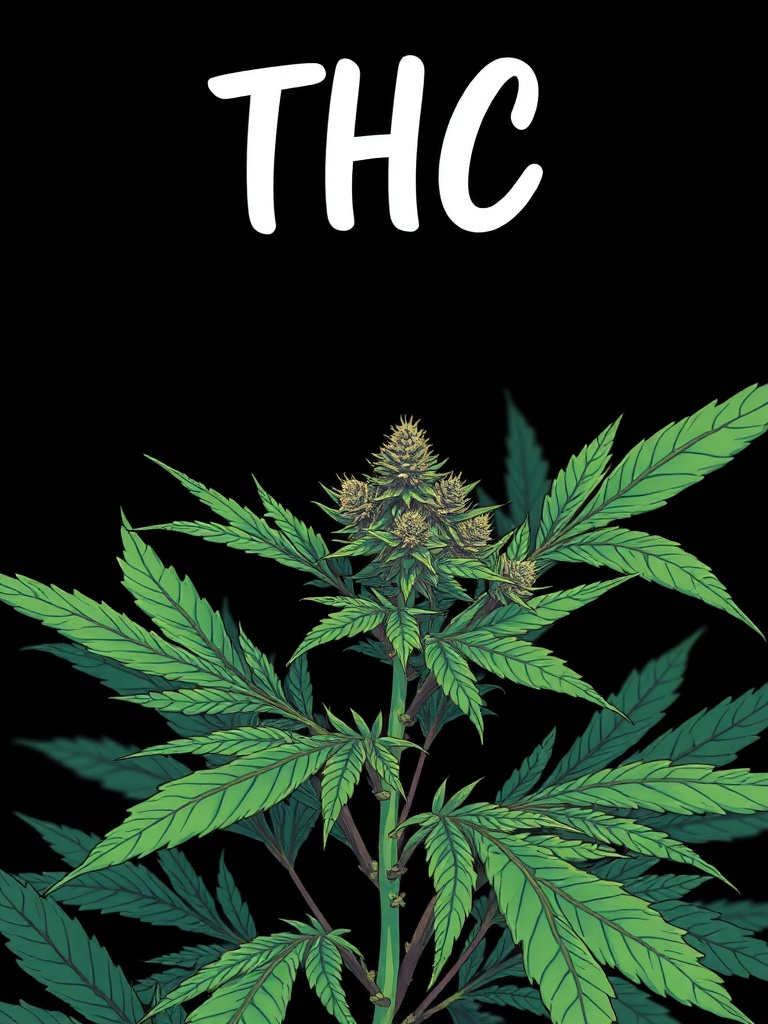
The Power Behind the Plant
Typically associated with the iconic cannabis plant, THC has a rich history encompassing thousands of years. It’s gained prominence due to its potent psychoactive effects, which induce the well-known feelings of euphoria, relaxation, and heightened sensory perception. While these effects are commonly known, it’s essential to dive deeper into the potential health benefits that are driving the conversation around THC.
Unlocking the Health Benefits
Nowadays, the health benefits of THC are becoming increasingly recognized.
From pain management to promoting better sleep, THC is proving to be a powerful ally in the health and wellness scene. In the realm of pain management, it’s been discovered that THC has the potential to alleviate chronic pain, making it an attractive alternative to traditional painkillers.
Moreover, THC is demonstrating promising results in the area of sleep. People suffering from insomnia or disrupted sleep patterns are finding relief in THC, as it can help to promote a more balanced sleep cycle.
This invaluable benefit is encouraging individuals to explore THC as a natural sleep aid.
In addition to these benefits, THC is also linked to stimulating appetite, which could prove useful in treating conditions like anorexia or other eating disorders. There’s also research suggesting that it may provide relief for people dealing with mental health issues, such as anxiety and depression.
Debunking the Misconceptions
Despite the promising benefits, misconceptions surrounding THC still exist. The most prevalent one is the belief that it only serves recreational purposes. While recreational use is indeed a part of THC’s identity, the growing body of research highlighting its potential therapeutic uses has led to a shift in perception.
Another common misconception is the idea that all consumption of THC leads to addiction.
Like any substance, THC can be addictive if misused. However, under proper guidance and moderation, it can provide a range of health benefits without fostering dependency.
Navigating the Future of THC
Currently, the future of THC looks promising. With a growing acceptance and a burgeoning market for THC-infused products, the conversation surrounding THC has undeniably shifted from taboo to mainstream. As researchers continue to uncover its potential benefits, it’s likely that we’ll see an increased acceptance and incorporation of THC into our health and wellness routines.
In this age of natural and holistic healing, THC stands as a testament to the untapped potential of mother nature’s bounty. However, like any other health regimen, it’s critical to ensure responsible use and seek professional guidance when incorporating THC into your wellness routine.
The journey of THC is far from over; it continues to evolve and adapt to the needs of today’s health-conscious individuals. As we continue to unravel the countless benefits and debunk the misconceptions of THC, one thing is clear: THC is not just a fleeting trend but an integral part of the wellness revolution.