In the world of alternative medicine, the spotlight has been steadily shifting towards cannabis and its many beneficial components. The cannabis plant houses a multitude of compounds, called cannabinoids, which are revered for their varied therapeutic effects. Today, we’ll delve into the fascinating world of cannabis and explore how it’s making waves in the health and wellness industry.
Cannabis, often associated with its psychoactive counterpart, THC (tetrahydrocannabinol), consists of over a hundred different cannabinoids. While THC certainly has its benefits, it is only a fragment of what cannabis has to offer. Among these cannabinoids, one that has been getting considerable attention recently is CBD (cannabidiol). Unlike THC, CBD doesn’t induce a euphoric “high”, but instead harnesses an array of health benefits, making it a popular choice for health-conscious consumers.
The potent therapeutic capabilities of CBD have led to its incorporation in various products, from oils and tinctures to topicals and edibles.
CBD is lauded for its potential in managing several health conditions, including chronic pain, anxiety, depression, and even severe disorders like epilepsy.
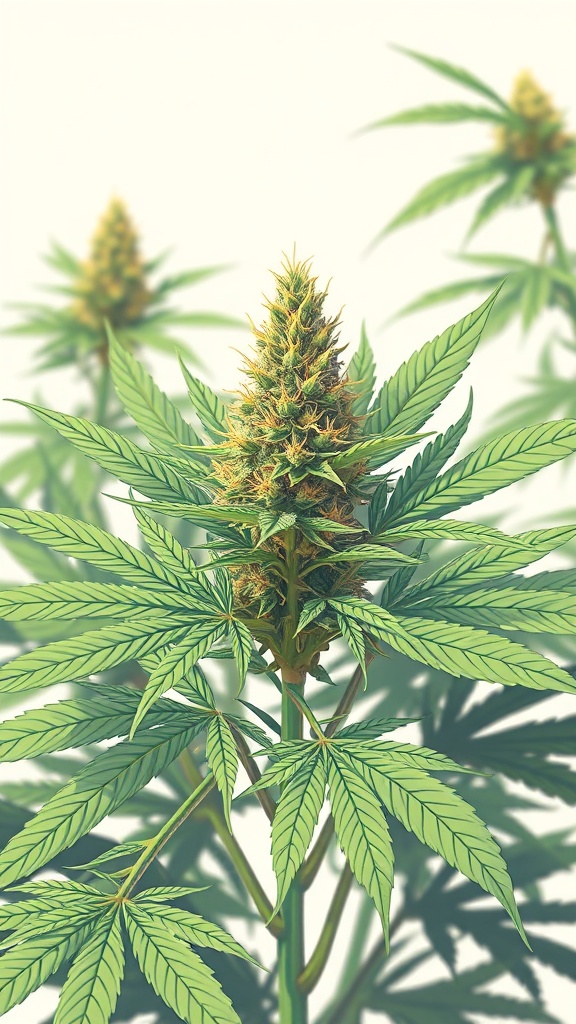
Studies have shown CBD to possess anti-inflammatory and neuroprotective properties, emphasizing its potential in promoting physical well-being.
While CBD has certainly taken center stage, it’s crucial to note other cannabinoids’ potential benefits, such as CBG (cannabigerol) and CBN (cannabinol).
These compounds are currently under the research microscope for their potential health benefits.
For instance, CBG has exhibited promising results in treating glaucoma and slowing bacterial growth, while CBN is being studied for its potential sedative effects.
Another intriguing aspect of cannabis is the ‘entourage effect.’ This concept suggests that cannabinoids work better together, enhancing each other’s benefits while mitigating side effects. This synergy between cannabinoids offers a comprehensive approach to health and wellness, emphasizing whole-plant cannabis products over isolated compounds.
But, how do cannabinoids interact with our bodies? We owe it all to the endocannabinoid system (ECS), a complex cell-signaling system within our bodies. The ECS plays a crucial role in maintaining bodily homeostasis and interacts directly with cannabinoids. When utilizing cannabis-based products, cannabinoids bind to specific receptors in the ECS, influencing a range of physiological processes, from mood and memory to pain sensation and sleep.
The surge in cannabis interest has also led to significant advancements in cultivation and extraction techniques.
Cannabis producers now have the technology to selectively breed cannabis strains rich in specific cannabinoids, tailor-made to consumer needs. Meanwhile, extraction developments ensure that consumers get the purest, highest-quality cannabis products.
As the cannabis landscape continues to evolve, it’s clear that the plant’s potential stretches far beyond its recreational use. Its rich profile of medicinal compounds showcases the power of nature in promoting health and well-being. However, as with any potential therapeutic, it’s crucial to consult with healthcare professionals before integrating cannabis products into your routine.
While research is ongoing, and laws regarding cannabis use vary widely, the interest in cannabinoids and their potential health benefits continues to grow. Today, cannabis stands at the forefront of alternative medicine, presenting a natural, versatile option for those seeking holistic wellness solutions.