CBD oil remains one of the most discussed supplements for wellness, with people seeking natural options for sleep, stress, and pain relief. Understanding what to look for and how to use CBD safely helps separate useful products from overhyped claims.
What is CBD oil?
CBD (cannabidiol) is a non-intoxicating compound found in hemp and cannabis plants. CBD oil typically combines a CBD extract with a carrier oil such as MCT or hemp seed oil. Products vary widely: full-spectrum contains CBD plus trace cannabinoids and THC, broad-spectrum removes THC while keeping other compounds, and isolates contain only CBD.
Safety, legality, and regulation
Legal status depends on source and local rules. In many places hemp-derived CBD is legal if THC remains below the regulated threshold, but laws differ across regions.
A single CBD product may be legal in one jurisdiction and restricted in another. Regulatory agencies continue to monitor and issue guidance; the only CBD-based prescription medication recognized by major regulators is limited to specific seizure disorders, so most over-the-counter CBD products aren’t approved to treat medical conditions. Always check local laws and consult a healthcare professional before starting CBD, especially if you take other medications.
Choosing a quality product
Third-party lab testing (Certificates of Analysis, or COAs) is essential. A COA should confirm CBD potency, cannabinoid profile, and absence of contaminants such as pesticides, heavy metals, and residual solvents.
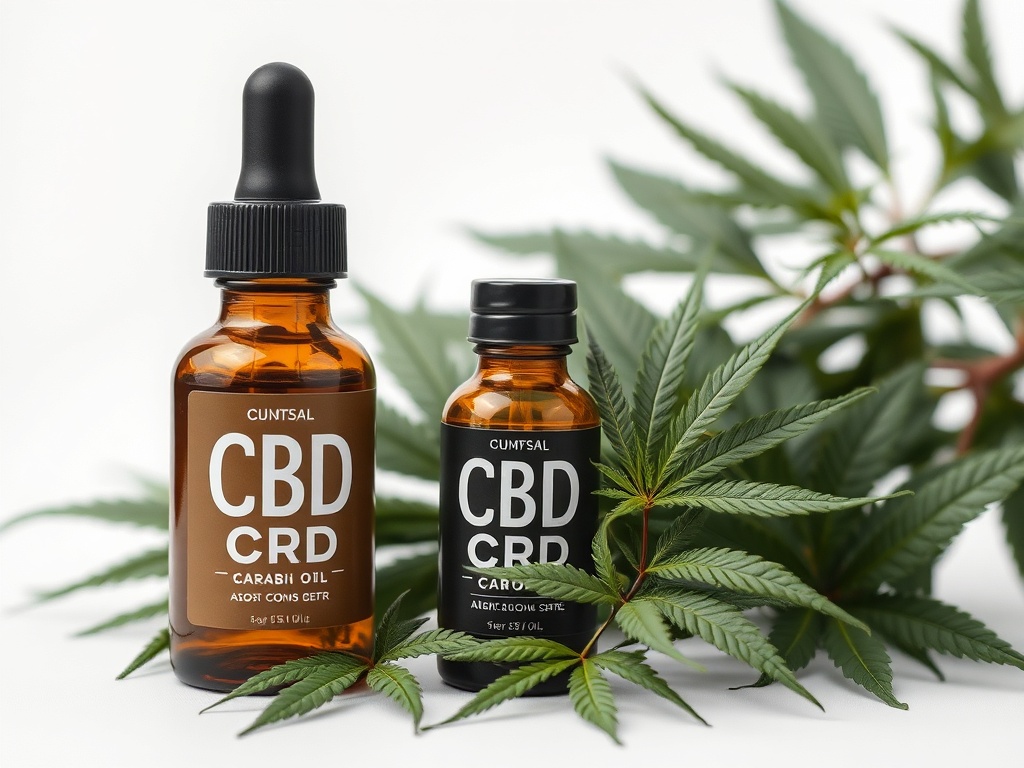
Preferred extraction methods include CO2 extraction for purity and solvent-free profiles; solvent extraction can be safe when performed properly, but check COAs to verify solvent removal.
Practical buying checklist:
– Clear cannabinoid breakdown on a COA
– Batch-specific third-party lab tests available online
– Transparent ingredient list and extraction method
– Appropriate THC status for your needs (full-spectrum vs broad-spectrum/isolate)
– Reputable brand with verifiable customer reviews and clear dosing info
Dosage and forms
CBD oil potency is often listed in milligrams (mg) per bottle and mg per milliliter. Start low and increase gradually to find the minimal effective dose. A common approach is to begin with a small daily amount and adjust every few days based on effects.
Administration methods affect absorption: sublingual tinctures offer faster onset and higher bioavailability than edible forms, which undergo digestion and take longer to act. Topicals can be useful for localized issues but typically don’t produce systemic effects. Some brands market nanotechnology or water-soluble formulations to boost absorption; evidence varies, so weigh claims against lab results and transparency.
Safety, side effects, and interactions
CBD is generally well tolerated, but possible side effects include drowsiness, dry mouth, and digestive upset. CBD can interact with medications via liver enzymes (CYP450 family), potentially changing blood levels of other drugs. This is particularly important for medications with narrow therapeutic windows—consult a healthcare provider or pharmacist before using CBD if you’re taking prescription medicines. Avoid use during pregnancy or breastfeeding unless advised by a clinician.
Storage and shelf life
Store CBD oil in a cool, dark place, tightly sealed. Proper storage preserves potency and flavour for the product’s expected shelf life.
Practical approach
Look for verified lab data, choose the product type that matches your goals, start with a low dose, and consult your clinician about interactions.
With transparent sourcing and cautious use, CBD oil can be integrated safely into many wellness routines.