In the panorama of lifestyle and health, it’s hard to ignore the sweeping current trend that is marijuana. With increasing legalization across the globe, marijuana has shed its once-taboo status and has started to gain acceptance in both medical and recreational circles. This article will delve into what’s sparking this shift, the known benefits of marijuana, as well as some associated risks and concerns.
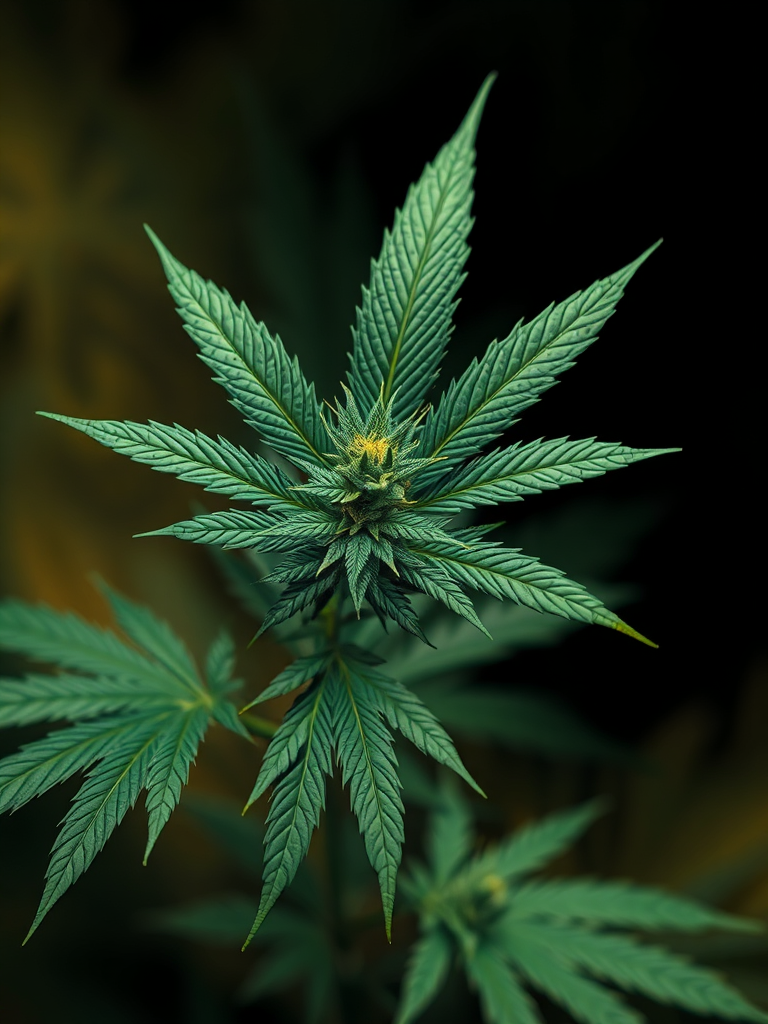
Marijuana, commonly known as weed or pot, is derived from the Cannabis Sativa plant. Its two primary compounds are cannabinoids, namely delta-9-tetrahydrocannabinol (THC) and cannabidiol (CBD).
THC is psychoactive, meaning it causes the ‘high’ associated with marijuana use, while CBD is non-psychoactive and is being widely studied for potential therapeutic applications.
The growing acceptance of marijuana is, in part, due to the evolving understanding of its therapeutic potential. It’s currently being used to manage a range of health issues, from chronic pain and epilepsy to easing symptoms of chemotherapy such as nausea and vomiting.
CBD, in particular, is gaining recognition for its therapeutic properties. Some studies suggest it may help with anxiety, depression, and sleep disorders. In skincare, CBD-infused products are making waves with claims of reducing inflammation, acne, and signs of aging.
On the recreational front, marijuana is enjoyed for its ability to induce relaxation and elevate mood. It’s increasingly becoming a part of social gatherings, with some restaurants and cafes even offering marijuana-infused menus.
While the shift towards acceptance is unequivocal, it’s important to mention that marijuana use is not without risks.
Chronic use can lead to dependency, and there’s an ongoing debate about the relationship between marijuana use and mental health disorders, particularly among adolescents.
Moreover, the effects of THC and CBD can vary widely depending on dosage, individual tolerance, and method of consumption, making it difficult to predict an individual’s reaction. Therefore, responsible use, with attention to legal age limits and dosage, is paramount.
Another concern is the lack of standardized regulation and quality control in the marijuana industry. This can lead to inconsistency in potency and the possibility of contamination, underscoring the need for robust regulatory oversight to ensure consumer safety.
Nevertheless, the shift towards acceptance and the potential benefits of marijuana are undeniable. As more research unfolds, it’s anticipated that we will gain a more comprehensive understanding of marijuana’s full spectrum of effects, both beneficial and detrimental.
Clearly, marijuana’s journey from prohibited substance to a potential panacea is a compelling narrative. It underscores the importance of evidence-based research and open-mindedness in shifting societal norms. As we continue to unveil the complexities and potentials of this ancient herb, it seems marijuana is poised to play an increasingly significant role in our lifestyle and health strategies.
Ultimately, the narrative of marijuana is one of evolution – from an outlawed substance to a potential therapeutic marvel. As we continue to explore its potentials and pitfalls, it’s clear that marijuana’s story is far from over, offering a promising avenue for future research and development.