Marijuana continues to reshape medicine, culture, and commerce.
With shifting laws and growing public interest, understanding cannabis beyond headlines helps consumers make safer, smarter choices.
What marijuana contains
Marijuana refers to cannabis plants and products containing psychoactive compounds. The best-known cannabinoids are THC (psychoactive) and CBD (non-intoxicating), but many others—CBG, CBN, THCV and dozens more—contribute to effects.
Terpenes, the aromatic oils in cannabis, influence flavor and may modulate the plant’s overall impact. Lab-tested products with clear cannabinoid and terpene profiles offer the most predictable experience.
How people use it
Consumption methods affect onset, intensity, and duration:
– Smoking and vaping: Rapid onset, effects peak quickly and wear off faster. Vaping can reduce exposure to combustion byproducts if devices are used properly.
– Edibles and capsules: Slower onset and longer duration; dosing is less predictable without transparent labeling and lab testing.
– Tinctures and sublinguals: Faster than edibles, useful for controlled dosing.
– Topicals and patches: Non-intoxicating options for localized relief.
– Concentrates: Highly potent products intended for experienced users.
Safety and dosing
“Start low, go slow” remains practical guidance.
Beginners should begin with small doses of THC and allow ample time to assess effects—especially with edibles, where onset can be delayed. Combining cannabis with alcohol increases impairment risk. Avoid driving or operating heavy machinery while impaired; standard impairment measures are still developing and legal thresholds vary.
Health considerations
Medical cannabis can be beneficial for chronic pain, certain seizure disorders, nausea associated with treatment, and some inflammatory conditions.
However, cannabis is not risk-free. Heavy or early-life use is associated with cognitive and mental health concerns for some individuals, and pregnant or breastfeeding people are advised to avoid use. Interactions with prescription medicines can occur—check with a healthcare provider familiar with cannabis pharmacology.
Legal and regulatory landscape
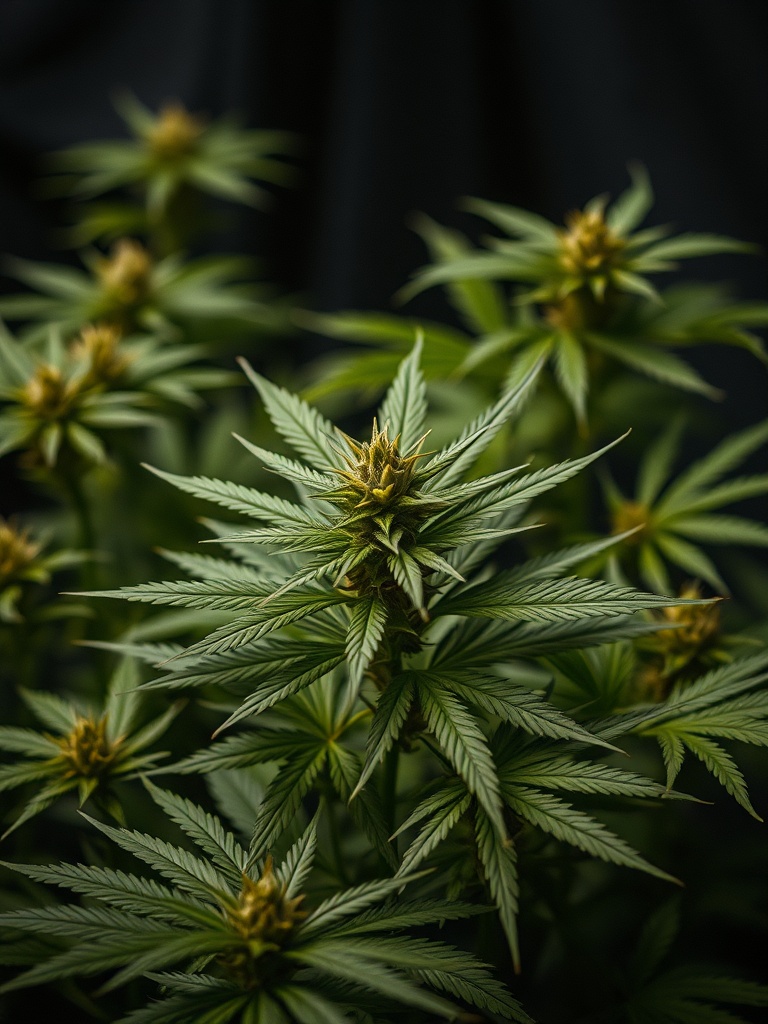
Regulatory frameworks vary widely.
Licensed dispensaries typically provide lab-tested products and clear labeling, which improves safety. Hemp-derived cannabinoid products and novel synthetic cannabinoids present regulatory grey areas and greater risk due to inconsistent testing and formulation. Consumers should favor regulated sources that publish Certificates of Analysis from accredited labs.
Choosing products wisely
– Buy from licensed vendors when possible.
– Review lab reports for potency and contaminants (pesticides, heavy metals, solvents).
– Prefer full-panel testing that includes terpene profiles and residual solvent checks.
– Watch for honest packaging that lists total cannabinoids and serving sizes.
Social and workplace implications
Workplace policies differ; many employers maintain zero-tolerance testing or impairment-based rules even where cannabis is legal. Understand local laws and your employer’s policy before using. For shared housing or spaces, be mindful of smoke and scent exposure.
Ongoing trends and consumer advice
Interest in minor cannabinoids and targeted formulations is growing, as is demand for clearer dosing and transparency. For responsible use, prioritize education, reliable sourcing, and measured dosing. When uncertainty exists—about legality, health conditions, or interactions—seek professional guidance before using marijuana.