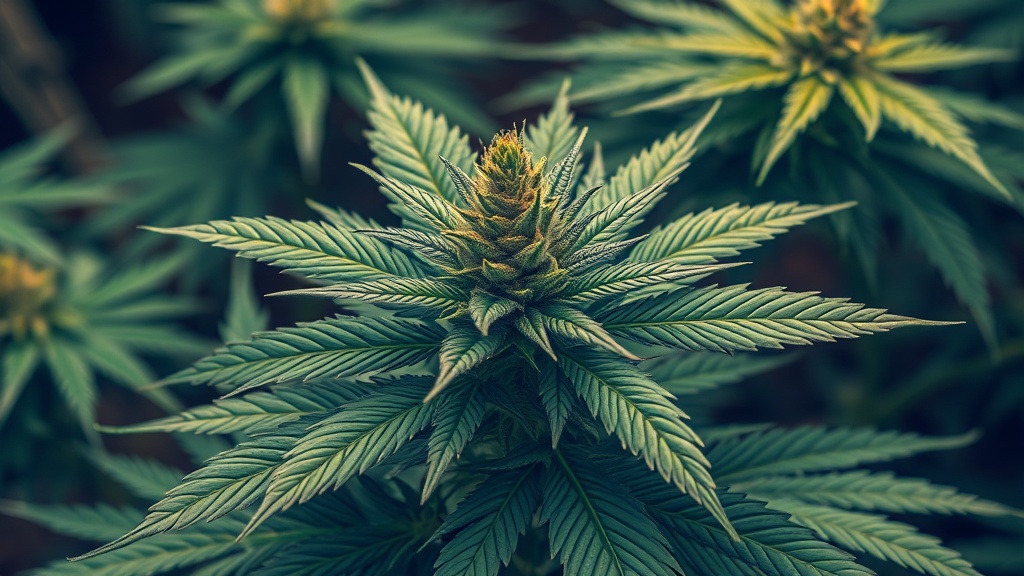
Marijuana: Practical Guidance on Use, Safety, and Choosing the Right Product
Marijuana remains a topic of strong interest as access, science, and products evolve. Whether you’re curious about medical benefits, recreational options, or safer consumption, understanding core concepts helps you make informed choices.
Know the cannabinoids: THC vs. CBD
THC is the main psychoactive compound that produces intoxication, while CBD is non-intoxicating and often sought for therapeutic effects.
Many products combine THC and CBD to balance effects—higher CBD can mellow THC’s intoxicating qualities and reduce anxiety for some users.
Look for lab-tested cannabinoid profiles on product labels to know what you’re buying.
Match consumption method to goals
– Inhalation (vaping or smoking): Fast onset and easier dose control; effects typically last a few hours. Vaping with quality devices and using lab-tested cartridges reduces exposure to combustion byproducts, but choose reputable brands to avoid contaminants.
– Edibles: Delayed onset and longer duration. Because effects can be stronger and slower to appear, follow the “start low and go slow” rule—wait sufficiently long before consuming more.
– Tinctures and sublinguals: Moderate onset and easier to titrate; appealing for people who want smoke-free dosing.
– Topicals: Applied to the skin for localized relief without systemic intoxication; popular for muscle soreness and inflammation.
Dosing and microdosing
“Start low and go slow” is essential, especially for new users or those trying a new product. Microdosing—using very small amounts of THC—can provide symptom relief with minimal cognitive impact. Keep a log of dose, product, and effects to find the right routine.
Consider terpene profiles
Terpenes are aromatic compounds that influence the sensory experience and may modulate effects. Limonene tends to be uplifting, linalool is commonly associated with relaxation, and myrcene can contribute to sedative feelings. Use terpene information alongside cannabinoid data to match products to desired outcomes.
Safety, storage, and legal considerations
– Keep all cannabis products secured and out of reach of children and pets.
Edible packaging that resembles candy increases accidental ingestion risk.
– Store flower in airtight, opaque containers in a cool, dark place to preserve potency and terpene profiles. Use humidity-control packs if keeping supply for extended periods.
– Be aware of legal limits where you live and follow local possession, purchase, and consumption rules. Traveling with marijuana across state or international borders is often illegal and risky.
– Do not drive or operate heavy machinery while impaired.
THC affects coordination, reaction time, and decision-making.
– Discuss cannabis use with your healthcare provider, especially if you take prescription medications—some drugs interact with cannabinoids and can change their effectiveness or safety.
Choosing reputable products
Buy from licensed dispensaries when possible and prioritize products with third-party lab testing showing cannabinoid potency and contaminant screening. Transparent labeling helps you avoid pesticides, solvents, and mold.
Medical uses and evidence
Cannabis shows promise for certain conditions such as chronic pain, chemotherapy-induced nausea, spasticity, and seizure disorders with CBD formulations. Evidence varies by condition and product; therapeutic use should be guided by a clinician familiar with cannabis therapeutics.
Staying informed
Scientific understanding and regulatory frameworks are evolving. Follow trusted medical resources, state or national health departments, and licensed dispensaries for up-to-date guidance. If considering cannabis for health reasons or as part of a routine, start conservatively, keep records, and consult a healthcare professional.