Marijuana: What to Know About Use, Safety, and Choosing Products
Understanding cannabis: THC vs CBD
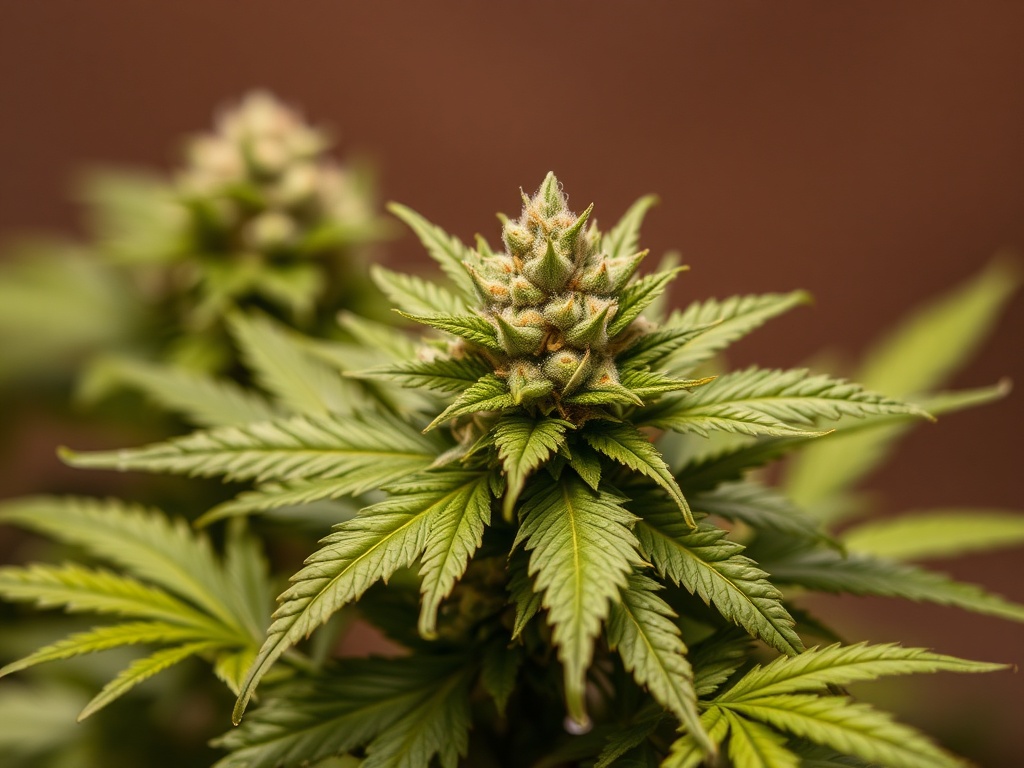
Marijuana refers to cannabis plants and products that contain cannabinoids, the most well-known being THC and CBD. THC is the psychoactive compound that produces a high; CBD is non-intoxicating and is sought for potential calming and anti-inflammatory effects. Many products combine both cannabinoids along with terpenes — aromatic compounds that influence flavor and may subtly affect effects.
Medical benefits and limitations
Evidence supports cannabinoids for certain conditions such as chronic pain, chemotherapy-related nausea and vomiting, spasticity associated with multiple sclerosis, and treatment-resistant epilepsy for specific CBD formulations.
Research is ongoing for anxiety, insomnia, and PTSD, with mixed results.
Effectiveness varies by condition, product type, dose, and individual response.
Always consult a healthcare provider before using cannabis to manage medical symptoms.
Choosing the right product
Licensed products from regulated dispensaries are generally safer because they provide lab-tested potency and contaminant screening. Key things to check:
– THC and CBD percentages
– Batch test results for pesticides, heavy metals, and microbial contamination
– Third-party lab certificates
– Clear dosing instructions
Consumption methods and onset
Different consumption methods produce different onset times, durations, and intensity:
– Inhalation (smoking or vaping) delivers rapid effects within minutes and is easier to titrate but may irritate the lungs.
– Edibles produce a delayed onset, often 1–3 hours, with longer-lasting effects and stronger metabolized THC products.
Start low and wait before redosing.
– Tinctures and sublinguals typically act faster than edibles but slower than inhalation.
– Topicals are used for localized discomfort and usually do not produce systemic intoxication.
Edible dosing and “start low, go slow”
Edibles are a common source of unintentional overconsumption due to delayed onset. For inexperienced users, a low starting dose (often 2.5–5 mg THC) is prudent, with at least a couple hours between doses to assess effects. Microdosing — taking very small amounts to gain subtle benefits without noticeable intoxication — is an increasingly popular approach.
Safety, interactions, and impairment
Cannabis can impair coordination, reaction time, and judgment. Avoid driving or operating heavy machinery while impaired.
Combining cannabis with alcohol or sedatives increases sedation and risk.
Cannabis compounds interact with liver enzymes (CYP450), which may alter the effects of medications such as blood thinners and certain antidepressants — discuss use with a clinician or pharmacist.
Risks and who should avoid use
Young people whose brains are still developing, pregnant or breastfeeding people, and individuals with a history of psychotic disorders or severe anxiety should approach cannabis with caution or avoid use. Regular heavy use can increase the risk of dependence and mental health challenges for some users.
Storage and responsible use
Store cannabis products in childproof, opaque containers away from heat and light to preserve potency and prevent accidental ingestion.
Keep products clearly labeled and out of reach of children and pets.
Legal considerations
Legal status varies by jurisdiction.
Purchase, possession, transport, and use regulations differ widely, so check local laws before buying or consuming.
How to start
If you’re new to cannabis, begin with a low dose, choose a reliable product from a licensed retailer, and avoid mixing with substances that increase impairment. Track how different products affect you and consult a healthcare provider for medical guidance or if you’re taking other medications. These steps help maximize potential benefits while minimizing risks.