Microdosing cannabis: how to get subtle benefits without the high
Microdosing cannabis has become a practical approach for people seeking the therapeutic effects of cannabis without the pronounced intoxication often associated with larger doses.
The goal is simple: use very small, consistent amounts of cannabis to manage mood, stress, pain, or focus while staying clear-headed and functional.
What is a microdose?
A microdose typically refers to a low dose of THC — often in the range of about 1–3 mg — taken regularly. For some, a microdose may include a similar low THC amount combined with CBD to smooth out effects. Because individual sensitivity varies, a true microdose is the smallest amount that produces a noticeable, desirable effect without impairing daily activities.
Common reasons people microdose
– Anxiety and mood regulation: Many report reduced stress and improved calm without sedation.
– Focus and creativity: Some find microdoses help sustain attention and creative flow.
– Pain management: Low doses can reduce mild chronic discomfort without the drowsiness of higher doses.
– Sleep support: Taken later in the day, a slightly larger microdose can help with sleep onset while keeping next-day grogginess at bay.
How to microdose safely
– Start low and go slow: Begin with a minimal amount, wait, and adjust gradually. Individual tolerance and sensitivity differ widely.
– Choose consistent products: Use lab-tested, clearly labeled products so you know the exact cannabinoid content.
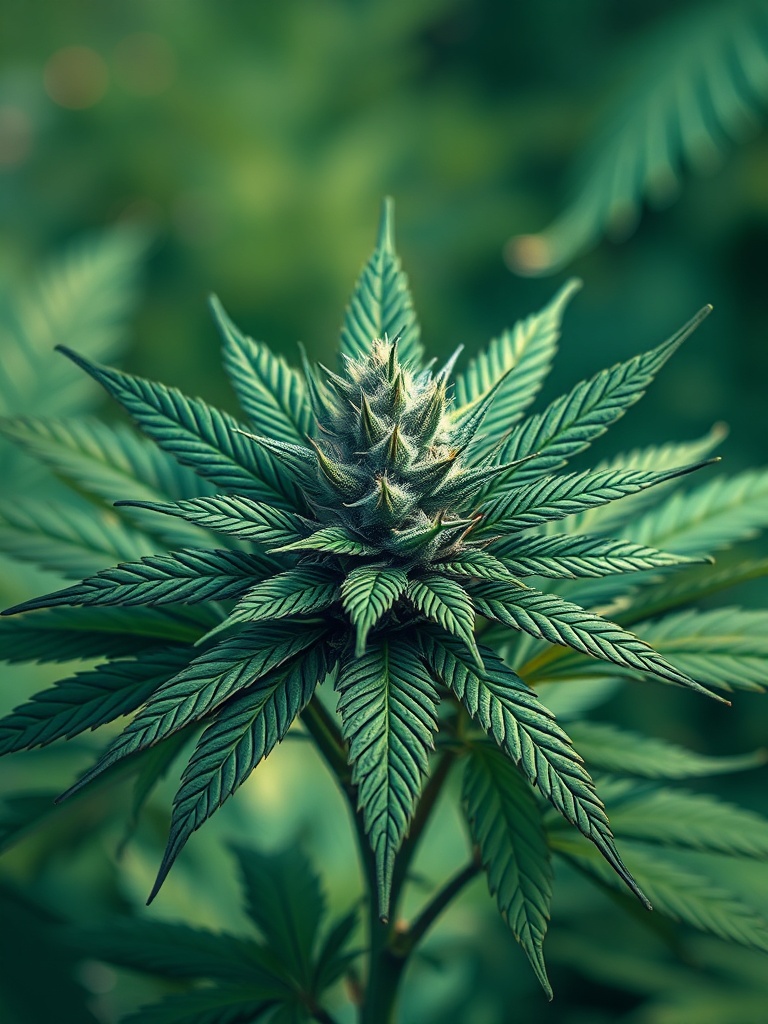
Reliable dosing is easier with tinctures, capsules, or carefully measured edibles than with unmeasured flower.
– Track your experience: Keep a simple log of dose, time, method, and effects. Note side effects like anxiety or impaired coordination.
– Be mindful of timing: Inhalation is fast-acting (effects within minutes, duration a few hours); sublingual tinctures act in 15–45 minutes; edibles take longer to onset (often an hour or more) and last longer. Patience prevents accidental overconsumption.
– Check interactions: Cannabis can interact with prescription medications and conditions. Consult a healthcare professional if you’re taking other medications, are pregnant, or have significant health concerns.
– Know the law: Cannabis laws vary by location.
Confirm local regulations before purchasing or using any cannabis product.
Delivery methods that work well for microdosing
– Tinctures: Allow precise dosing by dropper and can be taken sublingually for quicker onset.
– Low-dose edibles or gummies: Offer consistent THC amounts per piece; be cautious with onset time.
– Capsules and softgels: Provide exact dosing with familiar consumption.
– Measured inhalation: Low-dose cartridges or devices with dose control can work, but inhalation requires careful titration.
Role of CBD and terpenes
Pairing low THC with CBD can reduce the anxiety some users feel from THC alone. Terpenes — aromatic compounds found in cannabis — may influence the subjective effects, promoting relaxation (myrcene), focus (pinene), or mood uplift (limonene). Choosing products labeled with terpene profiles can help match effects to goals.
Potential downsides
Even low doses can impair coordination or judgment for some people. Tolerance can develop over time, which may lead to increased dosing. Side effects like dry mouth, dizziness, or increased anxiety are possible, especially for those sensitive to THC.
Microdosing cannabis offers a controlled, measured way to access benefits while minimizing intoxication. With careful product selection, patient titration, and attention to safety, many find it a practical tool for daily wellness.