CBD oil: what to know before you buy
CBD oil remains one of the most searched wellness topics because of its versatility and growing mainstream availability. Here’s a clear, practical guide to what CBD oil is, how it works, how to choose a quality product, and how to use it safely.
What CBD oil is and how it works
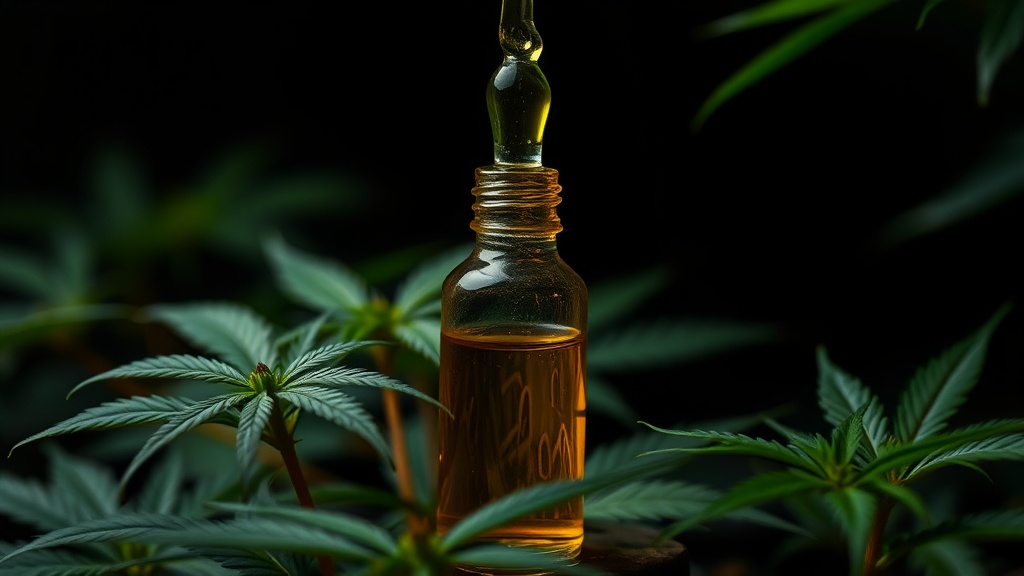
CBD (cannabidiol) is a naturally occurring compound found in hemp plants.
Unlike THC, CBD doesn’t produce a psychoactive “high.” When taken, CBD interacts with the body’s endocannabinoid system—an internal network involved in regulating sleep, mood, pain, and immune responses—which may explain why users report a range of effects.
Types of CBD oil
– Full-spectrum: contains CBD plus other cannabinoids, terpenes, and trace amounts of THC.
Supporters cite the “entourage effect,” where compounds work together to enhance benefits.
– Broad-spectrum: includes CBD and other beneficial plant compounds but is processed to remove THC.
– CBD isolate: pure CBD with no other cannabinoids or terpenes.
Extraction and carrier oils
CO2 extraction is widely regarded as the cleanest method for producing high-quality CBD oil because it preserves cannabinoids and terpenes without leaving solvent residues. Ethanol extraction is also common and can be effective when executed properly.
Carrier oils affect absorption and mouthfeel. MCT (fractionated coconut oil) and hemp seed oil are popular choices; both are stable and support efficient cannabinoid delivery.
Choosing a high-quality CBD oil
– Look for third-party lab reports (Certificates of Analysis) that verify cannabinoid potency and test for contaminants like pesticides, heavy metals, and residual solvents.
– Read labels for total milligrams of CBD and serving size so you can calculate mg per dose.
– Prefer products made under Good Manufacturing Practices (GMP) and those that list full ingredient transparency.
– Check for clear sourcing information—hemp grown under regulated agricultural standards is preferable.
– Watch for unnecessary additives and overly aggressive marketing claims.
Dosing and administration
There’s no universal dose. A prudent approach is to start low and titrate slowly: begin with a small amount, observe effects for several days, then adjust upward in small increments until the desired result is achieved.
Common delivery methods include sublingual tinctures (fast onset), capsules (convenient and consistent), topicals (localized application), and edible formulations (longer onset). Vaping provides rapid delivery but brings additional safety considerations; choose products and devices carefully if considering inhalation.
Safety and interactions
CBD is generally well tolerated, but side effects can include dry mouth, drowsiness, diarrhea, and changes in appetite. CBD can interact with medications metabolized through the liver’s CYP450 enzyme system—blood thinners and certain other prescriptions are notable examples. Discuss any regular medications with a healthcare professional before starting CBD, especially if you’re pregnant, breastfeeding, or have significant health issues.
Legality and regulation
Legal status varies by location.
Hemp-derived CBD products are widely available in many places, but local regulations and allowable THC limits differ. Always verify local rules and purchase from reputable vendors who comply with regulatory standards.
Smart buying and use
Check potency per serving, seek visible lab reports, favor clear sourcing and extraction methods, and adopt a gradual dosing strategy. With thoughtful product selection and informed use, CBD oil can be incorporated responsibly into a wellness routine. If uncertain, consult a healthcare professional for personalized guidance.