Microdosing cannabis: how to get the benefits without the high
Microdosing cannabis is a practical approach for people seeking subtle therapeutic or mood effects while staying clear-headed and functional.
Instead of aiming for a full psychoactive high, microdosing uses very small, controlled amounts of cannabis to promote relaxation, creativity, focus, or sleep support with minimal impairment.
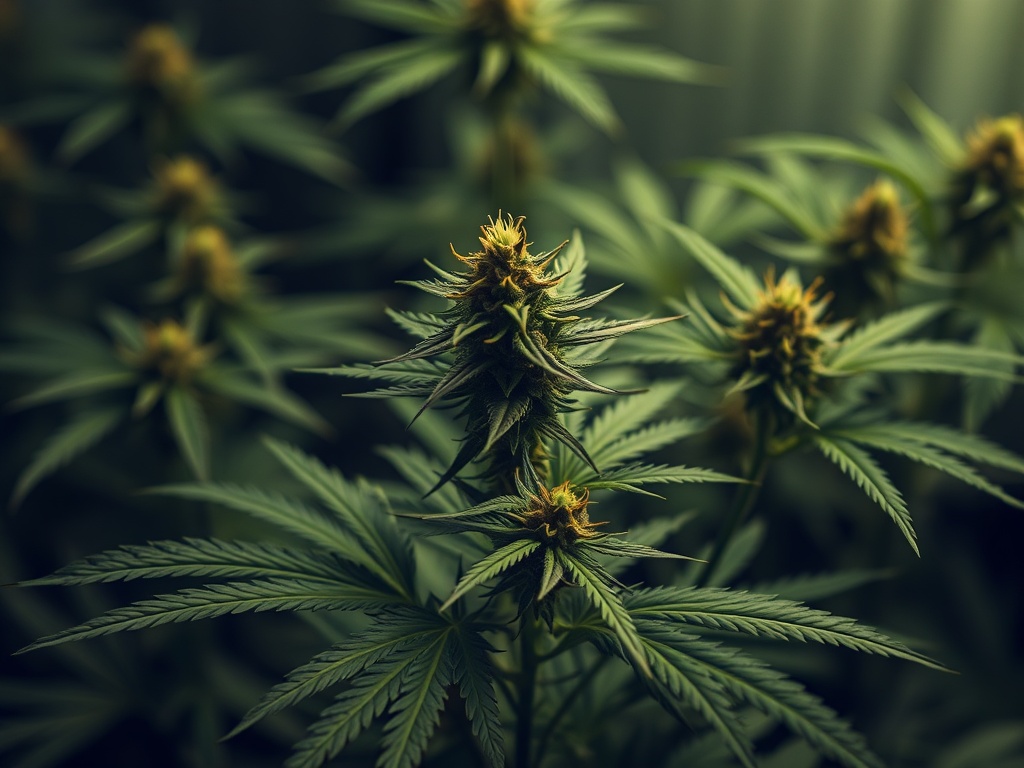
What microdosing looks like
– THC microdose: common starting amounts range from 1 to 2.5 mg of THC per dose. Some users prefer even smaller steps of 0.5–1 mg.
– CBD microdose: because CBD does not produce intoxication, starting points are broader—often 5–25 mg depending on response.
– Frequency: microdoses can be taken once daily or multiple times spaced through the day, depending on goal and tolerance.
How to microdose safely
– Start low and titrate slowly. Take the smallest measurable amount and wait long enough to judge effects before increasing. For inhaled products, assess after 10–20 minutes.
For sublingual tinctures, allow 30–60 minutes. For edibles, wait at least two hours before adding more.
– Keep a dosing journal. Track time, dose, product details (THC:CBD ratio, terpene notes), effects, and side effects to find a consistent sweet spot.
– Use precise products and tools.
Low-dose edibles, calibrated tinctures, oral sprays, dissolvable strips, or measured capsules make it far easier to control milligrams than breaking up flower or homemade edibles. Syringes or droppers help with tinctures.
Choosing the right product
– Look for lab-tested products with a clear certificate of analysis (COA).
COAs confirm cannabinoid content and absence of contaminants like pesticides or residual solvents.
– Consider THC:CBD ratios. A small amount of THC paired with CBD can reduce anxiety for some users. Others prefer CBD-dominant formulas to avoid intoxication completely.
– Pay attention to terpenes. Myrcene tends to be relaxing, limonene uplifting, and linalool calming; these aromatic compounds can subtly influence the experience even at micro doses.
Methods that work well for microdosing
– Sublingual tinctures: fast, titratable, and easy to measure in half- or quarter-dropper increments.
– Low-dose edibles or chewables: convenient and discreet, but allow more time for onset and digestion variability.
– Vape pens or small hits of flower: inhalation leads to fast effects and easier dose control if you take single, measured puffs. Use a smaller device or measure puffs to avoid overshooting.
– Capsules and dissolvables: consistent dosing and portability for people who need strict repeatability.
Safety and interactions
– Avoid combining cannabis with alcohol, sedatives, or other central nervous system depressants.
– Talk to a healthcare professional if you take prescription medications, especially blood thinners or drugs metabolized by the liver, as cannabinoids can alter drug metabolism.
– Do not drive or operate heavy machinery while experimenting with doses.
Even small amounts of THC can impair coordination and reaction time for some users.
– Pregnant or breastfeeding people should avoid cannabis.
Practical tips
– Microdose at home or in a safe environment until you understand personal response.
– Store products in a cool, dark place away from children and pets. Properly labeled, child-resistant packaging is essential.
– If a dose feels stronger than intended, stay calm, hydrate, rest in a comfortable setting, and remember that effects will pass.
Microdosing can deliver subtle functional benefits without a full high when approached thoughtfully.
With precise products, steady titration, and mindful tracking, many people find a consistent regimen that supports daily life while minimizing impairment.