THC Explained: What to Know About Effects, Uses, and Safe Consumption
What is THC?
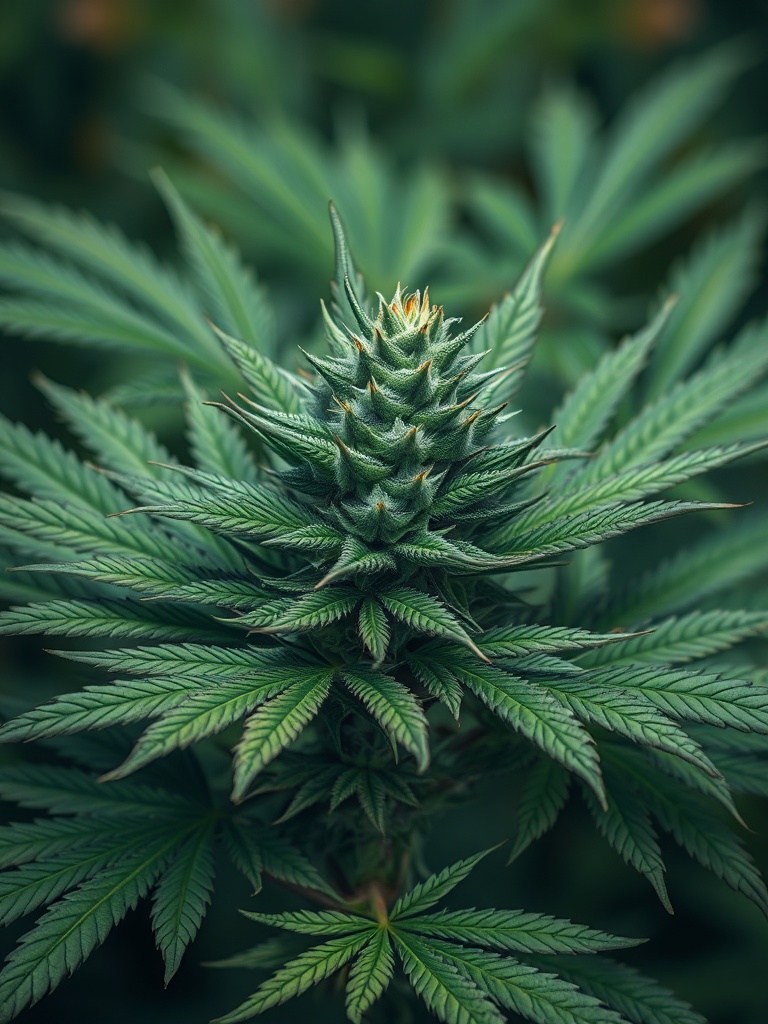
THC (tetrahydrocannabinol) is the primary psychoactive compound found in cannabis. It binds to cannabinoid receptors in the brain and body, producing the characteristic “high” as well as therapeutic effects such as pain relief, anti-nausea action, and appetite stimulation. Different forms—often labeled delta-9, delta-8, and delta-10—vary in potency and legal status, and minor cannabinoids like THCV can produce distinct effects.
Common Effects and Risks
THC’s effects include euphoria, altered perception of time, increased heart rate, relaxation, and heightened sensory experiences. Side effects can include anxiety, paranoia, impaired memory and coordination, dry mouth, and dizziness. Frequent or high-dose use, especially by adolescents or those predisposed to psychosis, carries higher risk of long-term cognitive and mental health impacts. Combining THC with alcohol or sedatives increases impairment and overdose risk.
Medical Uses
THC is used medicinally for several symptoms: chronic pain, chemotherapy-related nausea and vomiting, appetite loss in chronic illness, and spasticity in certain neurological conditions. Many people use THC-containing products to manage insomnia or anxiety, though evidence varies and individual responses differ.
Methods of Consumption and Timing
– Smoking/Vaping: Onset within minutes; peak effects within 30–90 minutes; typical duration 2–4 hours. Vaping may reduce some combustion byproducts but carries its own risks depending on additives.
– Edibles: Onset is slower (30–90 minutes or longer); peak effects can occur 2–4 hours after ingestion, with total duration lasting much longer—sometimes 8 hours or more. Overconsumption is common because of delayed onset.
– Tinctures/Sublinguals: Faster onset than edibles but slower than inhalation, with effects that are easier to dose than smoking.
– Topicals: Typically used for localized pain or inflammation and do not produce systemic psychoactive effects unless formulated for transdermal delivery.
Dosing Best Practices
Start low and go slow. For edible products, a common beginner dose is 2.5–5 mg of THC; more experienced users may take 10–20 mg or higher, but potency and tolerance vary widely. Wait long enough to feel effects from an edible before taking more to avoid unpleasant overconsumption.
Product Safety and Lab Testing
Buy products that are third-party lab tested for potency, contaminants, and accurate labeling.
Unregulated or black-market products may contain inaccurate THC amounts, toxic additives, or harmful solvents. Hemp-derived products marketed as mild alternatives (like delta-8) can be inconsistent in purity and legality—exercise caution.
Interactions and Precautions
THC is metabolized by liver enzymes and can interact with prescription medications. Discuss THC use with a healthcare provider if taking other drugs, especially blood thinners, antidepressants, or seizure medications.
Avoid use during pregnancy and breastfeeding. Do not drive or operate heavy machinery while impaired.
Legal Considerations
THC legality varies widely by jurisdiction—medical, recreational, and hemp-derived products are regulated differently. Know local laws before buying or consuming THC products.
Harm Reduction Tips
– Use lab-tested products and reliable dispensaries
– Keep products out of reach of children and pets
– Use lower-potency options if new or sensitive to psychoactive effects
– Plan activities and avoid driving while impaired
– Seek medical advice for therapeutic use or if experiencing adverse effects
Understanding THC’s potential benefits and risks helps people make safer, more informed choices. If considering THC for medical reasons, consult a healthcare professional for personalized guidance.