THC: What to Know About Types, Effects, Safety, and Smart Use
What is THC?
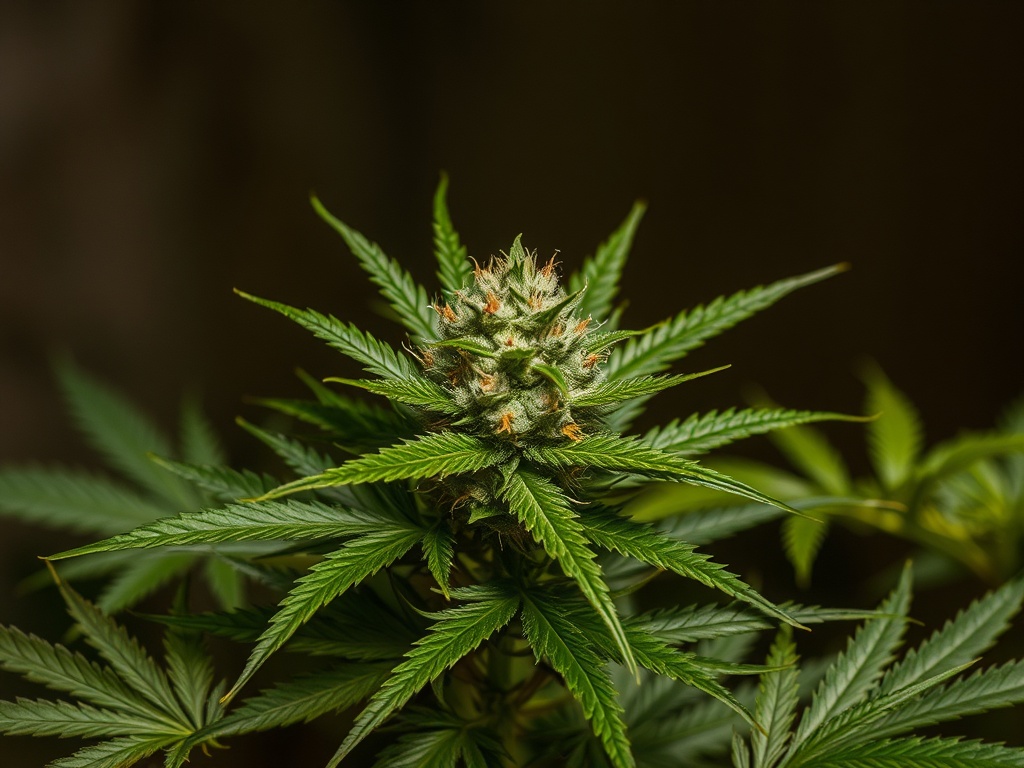
THC (tetrahydrocannabinol) is the primary psychoactive compound found in cannabis that produces the “high” associated with marijuana. It interacts with the body’s endocannabinoid system, binding to CB1 receptors in the brain and nervous system to affect mood, perception, appetite, and memory. THC occurs naturally in cannabis plants, and its concentration varies by strain and product.
Common types and trends
– Delta-9 THC: The classic form found in marijuana flower and many concentrates. It’s the most studied and typically the most potent for psychoactive effects.
– Delta-8 THC: A close chemical cousin of delta-9 that is often derived from hemp. It tends to produce milder psychoactive effects and has grown in popularity because of perceived legality in some jurisdictions.
– HHC, delta-10 and other analogs: These semi-synthetic or hydrogenated variants appear in the market and can produce THC-like effects.
Regulatory status and safety data for these compounds are less well-established.
– Full-spectrum vs. isolates: Full-spectrum products contain a range of cannabinoids and terpenes that may contribute to an “entourage effect,” while isolates deliver single cannabinoids at high purity.
Effects and dosing
THC effects can include euphoria, altered sensory perception, relaxation, increased appetite, and impaired coordination or short-term memory. Onset and duration depend on how it’s consumed:
– Inhalation (smoking, vaping): Rapid onset within minutes; effects typically peak sooner and wear off sooner than edibles.
– Edibles: Slower onset—often 30 minutes to a few hours—with longer-lasting effects and stronger intensity for the same milligram dose.
– Tinctures and sublinguals: Intermediate onset depending on formulation and administration.
Start low and go slow. For those new to THC, microdosing (e.g., small, incremental doses) minimizes unwanted anxiety or paranoia. Always follow product dosing guidance and allow sufficient time before redosing—especially with edibles.
Safety, interactions, and testing
THC can impair reaction time and judgment—avoid driving or operating heavy machinery while under the influence. It can interact with medications metabolized by liver enzymes (CYP450), so check with a healthcare professional if you use prescription medicines.
Drug tests often target THC metabolites, and many tests can detect past use long after impairment has ended, especially for frequent users. If you face workplace testing or legal restrictions, assume any THC exposure might be detected.
Watch out for adulterated or unregulated products. Unlabeled additives, residual solvents, or synthetic cannabinoids can cause severe adverse effects. Vape-associated lung injuries and product contamination have been linked to illicit or low-quality items.
Buying, labeling, and storage tips
– Choose products with third-party lab certificates of analysis (COAs) that confirm potency and show tests for pesticides, heavy metals, and residual solvents.
– Check exact cannabinoid content on labels rather than relying on vague marketing claims.
– Store THC products in a cool, dark, dry place away from children and pets; many items degrade with heat, light, or oxygen.
– If traveling, be mindful that THC legality varies widely by jurisdiction—transporting THC across state or national borders can carry legal risks.
Who should be cautious?
Pregnant or breastfeeding people, adolescents, and individuals with certain mental health conditions should avoid or use caution with THC. If you have a history of substance use disorder, discuss risks with a clinician.
Key takeaways
THC comes in several forms and potencies, and effects vary by dose and route of administration. Prioritize products with COAs, start with small doses, avoid risky sources, and consider potential drug interactions and testing implications. When in doubt, consult a healthcare professional for personalized guidance.