THC: What You Need to Know About Effects, Uses, and Safer Consumption
THC (tetrahydrocannabinol) is the primary psychoactive compound in cannabis that produces the “high” many users seek. Understanding how THC works, the ways people consume it, and the safety considerations can help you make informed choices whether you’re using it recreationally or for symptom relief.
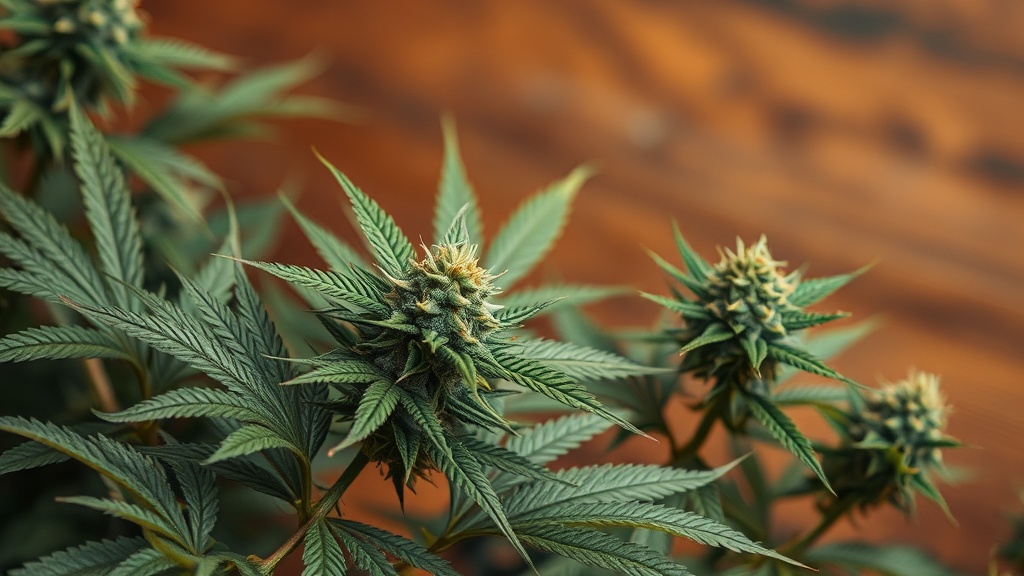
How THC works
THC binds to cannabinoid receptors in the brain and body, altering neurotransmitter release and producing effects on mood, perception, appetite, pain, and motor coordination. Metabolism in the liver converts THC into active and inactive compounds; one metabolite can be more potent and longer-lasting when THC is consumed orally, which helps explain why edibles often deliver a stronger or delayed experience.
Common effects and therapeutic uses
– Short-term: euphoria, altered time perception, relaxation, increased appetite, dry mouth, red eyes. Some people experience anxiety, paranoia, or rapid heart rate.
– Potential therapeutic effects: relief from nausea, appetite stimulation, pain reduction, and decreased muscle spasticity. Evidence varies by condition and individual response.
Consumption methods and what to expect
– Inhalation (smoking, vaping): Fast onset within minutes and a shorter duration. Dose is easier to titrate by stopping when desired effect is reached.
– Edibles: Slower onset and longer duration.
Effects can be stronger due to metabolism producing potent metabolites—start with a low dose and allow ample time before consuming more.
– Tinctures and sublinguals: Intermediate onset depending on absorption; easier dosing control than edibles.
– Topicals: Localized relief for skin or muscle discomfort without noticeable psychoactive effects for most users.
Dosing and safer use
– Start low and go slow: Begin with a small amount and wait to assess effects before using more, especially with edibles and concentrates.
– Know potency: Products vary widely in THC concentration. Look for clear labels and third-party lab testing when available.
– Avoid mixing with alcohol or sedatives: Combining THC with other depressants can amplify impairment and increase the risk of adverse reactions.
– Don’t drive or operate heavy machinery while impaired: THC affects coordination and reaction time.
Risks and special precautions
– Mental health: People with a personal or family history of psychosis or certain mood disorders may be at higher risk of adverse psychiatric effects. Monitor mood changes and consult a healthcare professional if concerns arise.
– Dependency: Regular high-dose use can lead to tolerance and, for some, cannabis use disorder. Periodic breaks and mindful use patterns reduce risk.
– Drug interactions: THC is metabolized by liver enzymes that also process many medications. Check with a clinician or pharmacist about potential interactions if you take prescription drugs.
– Pregnancy and breastfeeding: Avoid THC during pregnancy and breastfeeding due to potential risks to fetal and infant development.
Choosing quality products
Look for products that provide:
– Clear potency labeling (THC per dose)
– Third-party lab test results for potency and contaminants
– Transparent sourcing and manufacturing practices
Legal considerations
Laws around THC vary by location. Confirm local regulations before purchasing or possessing THC products to avoid legal issues.
Practical tips
– Store products securely and out of reach of children or pets.
– When trying a new consumption method or product, do so in a safe, comfortable environment with trusted people nearby.
– Keep a symptom or use diary to track how different products, doses, and strains affect you personally.
Responsible, informed use helps maximize potential benefits and minimize risks.
For medical concerns, medication interactions, or questions about therapeutic use, consult a qualified healthcare provider.