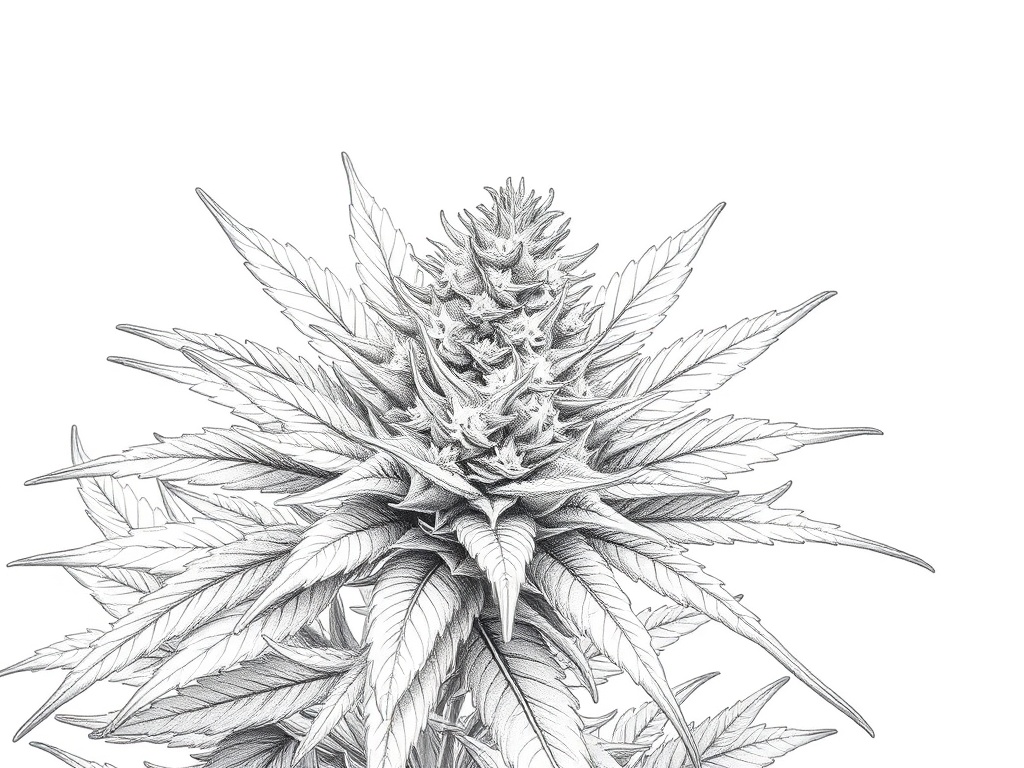
THC: What It Is, How It Works, and How to Use It Safely
What is THC?
THC (tetrahydrocannabinol) is the main psychoactive compound found in cannabis that produces the characteristic “high.” It interacts with the body’s endocannabinoid system, binding primarily to CB1 receptors in the brain and nervous system.
That interaction affects mood, memory, appetite, pain perception, and coordination.
Different forms and potencies
Delta-9 THC is the most common form associated with psychoactive effects. Other variants, like delta-8, are chemically similar but typically less potent and may produce different subjective effects.
Concentrates and extracts (vapes, dabs, waxes) can deliver very high THC levels, while flower and tinctures generally offer milder dosing control. Lab-tested products will list potency, which is essential for informed use.
Onset and duration by method
– Inhalation (smoking or vaping): Effects begin within minutes and peak quickly, often making dosing easier to titrate. The noticeable experience usually fades within a few hours.
– Edibles: Onset is delayed because THC must be metabolized in the liver. Effects can start anywhere from 30 minutes to a few hours after ingestion and last much longer, sometimes several hours.
This delayed onset is why overconsumption of edibles is common.
– Sublingual/tinctures: Placed under the tongue, these can produce effects faster than edibles while avoiding the lung exposure of inhalation.
– Topicals: Creams and balms may contain THC for localized relief without psychoactive effects when formulated properly.
Dosing guidance
“Start low and go slow” remains the safest approach. New or infrequent users often begin with microdoses (around 1–2.5 mg THC) and small edible doses (2.5–5 mg). Wait long enough to assess effects before taking more—especially with edibles, where delayed onset can mislead users into consuming too much. Tolerance builds with regular use, and occasional breaks reduce tolerance and potential dependence.
Medical uses and benefits
THC has recognized applications for symptom relief, including pain management, nausea control, appetite stimulation, and certain spasticity conditions. Many people use THC-containing products for sleep support and mood regulation. Combining THC with CBD sometimes moderates psychoactive effects while offering complementary benefits.
Safety and interactions
Avoid driving or operating heavy machinery while impaired. Mixing THC with alcohol or sedatives can intensify impairment and increase risk. THC is metabolized via liver enzymes (CYP450), so it can interact with prescription medications—consult a healthcare professional if you’re on other drugs. Those with personal or family histories of psychotic disorders should exercise caution, as THC can exacerbate such conditions. THC is not recommended during pregnancy or breastfeeding.
Practical tips and harm reduction
– Choose lab-tested products to confirm potency and check for contaminants.
– Dose in a safe, familiar setting, ideally with a sober person present if trying a new product or dose.
– Keep all cannabis products securely stored and clearly labeled to prevent accidental ingestion, especially by children or pets.
– Consider alternative formats (CBD blends, low-dose products) if you want milder effects.
– If you overconsume and feel anxious or unwell, find a calm environment, hydrate, rest, and remember effects will fade; black pepper or a snack can help some people ground themselves.
Testing and detection
Standard drug tests detect THC metabolites, which can remain detectable for a varying amount of time depending on frequency of use, body fat, and test sensitivity. Occasional users clear faster than regular users.
If workplace testing or legal concerns apply, choose products and consumption patterns accordingly.
Understanding THC’s effects and risks allows for safer, more intentional use. Being informed about potency, timing, and interactions helps people enjoy benefits while minimizing unwanted outcomes.