THC: What to Know About Effects, Types, and Safe Use
THC (tetrahydrocannabinol) is the primary psychoactive compound found in cannabis and remains central to conversations about recreational and medical cannabis use. Understanding the different forms of THC, how it’s consumed, and how it affects the body can help people make safer, better-informed choices.
Types and derivatives
– Delta-9 THC: The most well-known form, responsible for the classic “high.”
– Delta-8 and other minor isomers: Chemically similar to delta-9 but often milder; they have grown in popularity, especially in products derived from hemp. Regulatory clarity and product purity can vary.
– THCa: The non-psychoactive acidic precursor found in raw plant material; converts to THC when heated (decarboxylation).
– Synthetic analogs: Lab-created compounds exist, some with unpredictable potency and risk—caution is advised.
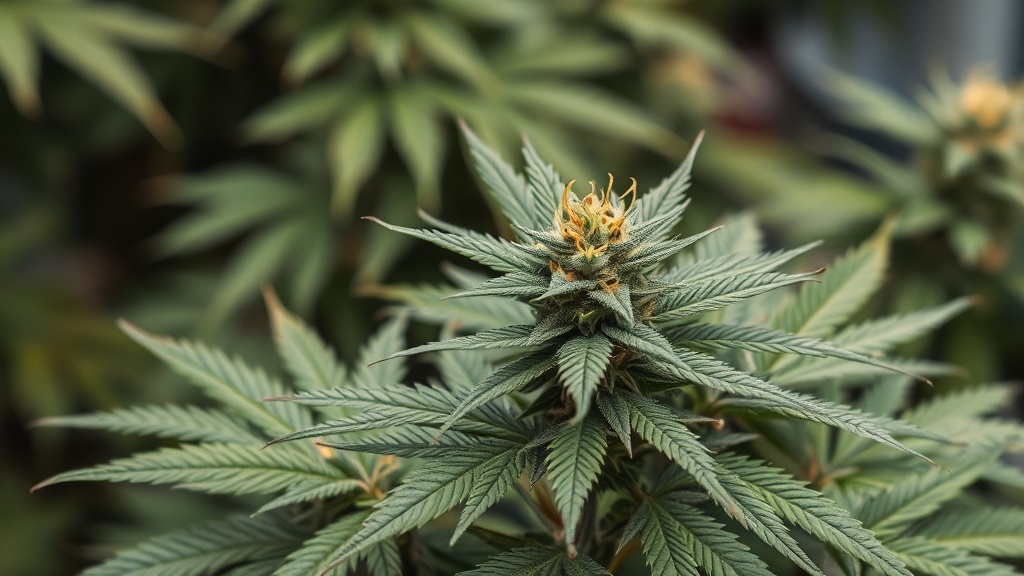
How THC works
THC binds to cannabinoid receptors in the brain and body, especially CB1 receptors, altering neurotransmitter release and producing effects on mood, perception, appetite, pain, and memory. Interaction with other cannabinoids and terpenes can modify the overall experience.
Consumption methods and onset
– Inhalation (smoking, vaping): Fast onset—effects felt within minutes—shorter overall duration. Bioavailability is relatively high but varies with technique.
– Edibles: Slower onset—often one to three hours to peak—effects last longer and are metabolized differently, producing 11-hydroxy-THC, which can be more potent for some users.
– Sublingual (tinctures): Intermediate onset; absorption under the tongue can be faster than edibles.
– Topicals: Typically don’t produce psychoactive effects but may provide local relief for pain or inflammation.
Potential benefits and risks
Medical interest focuses on THC’s potential for pain relief, appetite stimulation, nausea reduction, and muscle spasticity control. However, evidence strength varies by condition and product. Short-term side effects can include dry mouth, red eyes, increased heart rate, anxiety, and impaired coordination or memory. Heavy or frequent use can lead to tolerance and, for some people, problematic use or withdrawal symptoms when stopping.
Interactions and testing
THC is metabolized in the liver and can interact with medications processed by the same enzyme systems (CYP450). People taking prescription drugs should discuss cannabis use with a clinician.
THC shows up on many standard drug tests and can be detected in blood, urine, and hair long after last use depending on frequency and testing method.
Safety and harm reduction
– Start low and go slow: especially with edibles and new products. Microdosing (very small amounts) can reduce unwanted effects.
– Avoid mixing with alcohol, sedatives, or other substances that increase impairment.
– Choose tested products from reputable sources; look for third-party lab results showing cannabinoid potency and absence of contaminants.
– If driving or operating machinery, avoid THC use until effects have fully worn off.
– Keep products securely stored away from children and pets.
Product variability and legal landscape
Availability and regulation of THC products vary widely. Hemp-derived cannabinoids and novel products create a complex marketplace where quality and legality may not align. Prioritize clarity on product origin and lab testing.
For those considering THC for medical reasons or who have health conditions or take medications, consulting a healthcare professional helps ensure safer, more effective use. Educated choices, careful dosing, and attention to product quality reduce risk and improve outcomes.