CBD oil remains one of the most discussed natural wellness products, with growing interest in its potential uses, safety, and quality standards. Understanding what CBD oil is, how it works, and how to choose a reliable product helps you make informed decisions.
What is CBD oil?
CBD (cannabidiol) is a non-intoxicating compound found in hemp and cannabis plants.
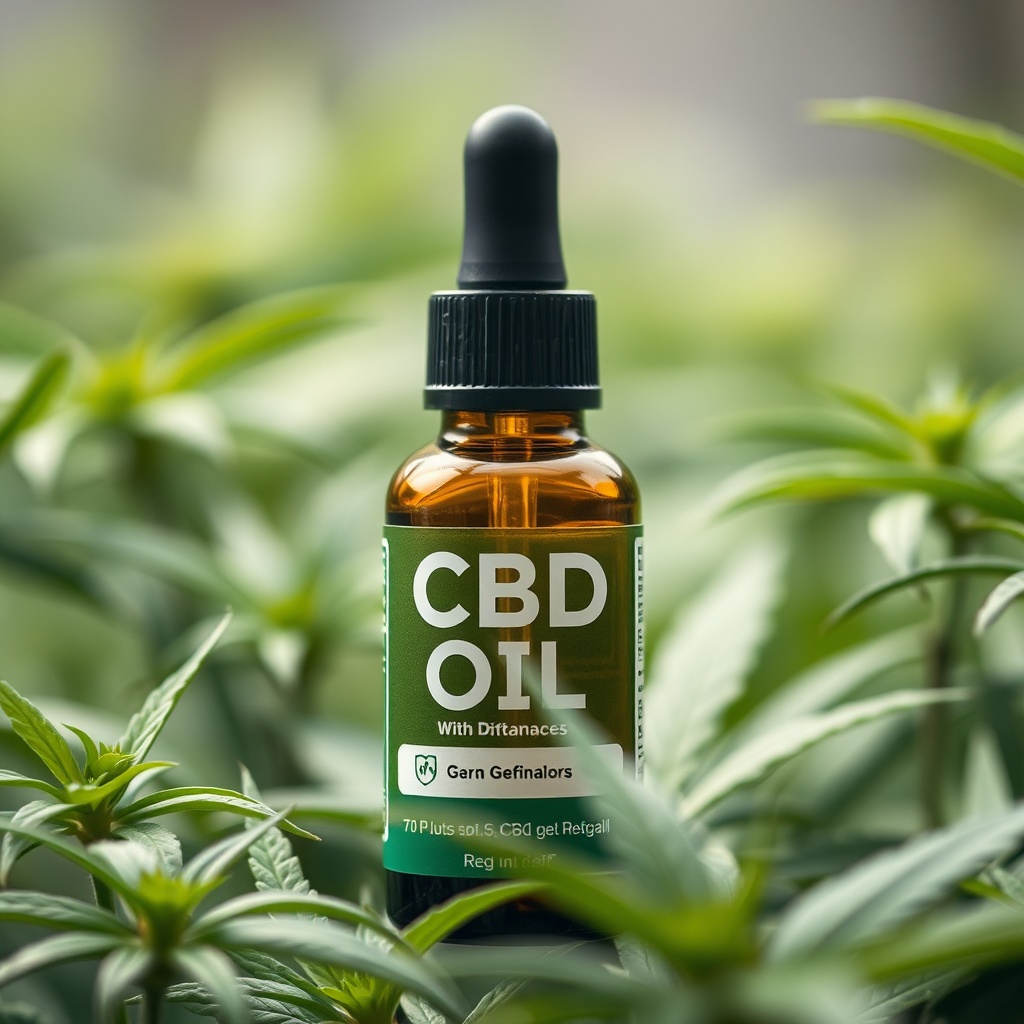
CBD oil is made by extracting CBD from hemp and blending it with a carrier oil, such as MCT or hemp seed oil. Unlike THC, CBD does not produce a “high” at typical doses, though trace amounts of THC may be present in some full-spectrum products.
Potential benefits and evidence
Research into CBD suggests potential benefits for certain conditions, most notably some forms of epilepsy—one prescription CBD medication is authorized for specific seizure disorders.
For other common uses such as anxiety, chronic pain, sleep, and inflammation, clinical evidence is mixed: some trials and user reports indicate benefit, while others are inconclusive or limited by small sample sizes.
CBD may offer symptom relief for some people, but expectations should be realistic and guided by medical advice.
Forms of CBD oil
– Full-spectrum: contains CBD plus other cannabinoids, terpenes, and trace THC. May offer an “entourage effect,” where multiple plant compounds work together.
– Broad-spectrum: includes CBD and other cannabinoids/terpenes but is processed to remove THC.
– Isolate: pure CBD without other cannabinoids or terpenes.
Products come as tinctures, capsules, gummies, topicals, and vape liquids. Bioavailability varies by form—sublingual tinctures and certain nanoemulsion formulas may deliver effects faster than edibles.
Safety, side effects, and interactions
CBD is generally well tolerated for many people. Common side effects include drowsiness, dry mouth, gastrointestinal upset, and changes in appetite. Significant concern is potential interaction with other medications: CBD can inhibit liver enzymes (notably CYP450 isoenzymes), which may alter blood levels of drugs like blood thinners, certain antiepileptics, and some heart medications. Liver enzyme elevations have been reported in some cases, especially at high doses.
Always consult a healthcare professional before starting CBD if you take prescription medications.
Quality and what to look for
Because regulation varies across regions, product quality can differ widely.
Key things to check:
– Third-party lab reports (Certificates of Analysis) for cannabinoid potency and contaminants (pesticides, heavy metals, solvents, microbes).
– Clear labeling that lists CBD content per serving and per container.
– Extraction method—supercritical CO2 extraction is widely regarded as clean and efficient.
– Transparency about source material (hemp grown with good agricultural practices).
– Avoid products making medical claims or that contain unlisted additives or synthetic cannabinoids.
Legal and workplace considerations
Legal status varies by location and product type. Hemp-derived CBD products with legally allowed trace THC levels may be lawful in many places, but rules differ by jurisdiction and are evolving. Even when legal, full-spectrum products with any THC can cause positive results on workplace drug tests. If drug testing is a concern, consider broad-spectrum or CBD isolate products, though no product can guarantee zero THC unless explicitly tested to nondetectable levels.
Practical dosing tips
There is no universal dose. Start with a low amount, monitor effects for several days, and increase gradually if needed. Pay attention to the mg of CBD per serving on the label rather than the volume of oil. Keep a log of dose, timing, and effects to find the right balance.
Choosing CBD oil wisely involves balancing expectations with safety: look for transparent brands, consult a healthcare provider about interactions, and prioritize products with third-party testing.
This approach helps maximize potential benefits while minimizing risk.