Over the years, much attention has been given to the psychoactive compound, THC (tetrahydrocannabinol), frequently associated with the cannabis plant. While the recreational use of THC is often emphasized in popular culture, more recently, its potential therapeutic benefits have become the focus of scientific research and public interest.
THC is the primary psychoactive compound found in cannabis, responsible for the ‘high’ that users experience. However, its impact extends beyond recreational use, with promising prospects in healthcare and wellness. Today, a growing body of evidence suggests that THC may hold significant therapeutic potential for a range of conditions, from chronic pain to sleep disorders.
One of the most well-regulated applications of THC currently is for the management of chronic pain.
For those suffering from prolonged pain, traditional medications can cause a range of side effects, and in some cases, may not be entirely effective. THC, on the other hand, interacts with the body’s natural endocannabinoid system to provide pain relief in a more natural, less disruptive way.
Another promising area is the use of THC in managing sleep disorders.
For those struggling with insomnia, THC could provide a more natural alternative to conventional sleeping aids. It is thought to promote sleep by activating the endocannabinoid system’s receptors, thereby producing sedative effects.
Additionally, THC has shown potential for alleviating symptoms of PTSD (post-traumatic stress disorder). Current research indicates that THC may help to reduce nightmares and flashbacks, common symptoms in those living with PTSD. Furthermore, THC is being investigated for its potential to decrease anxiety and improve mood disorders.
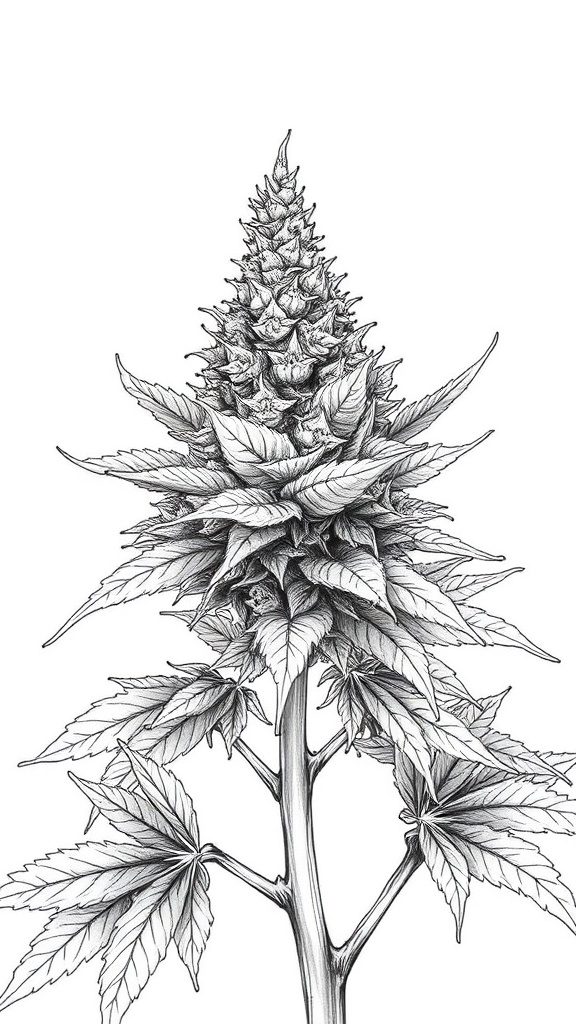
However, it’s crucial to remember that while THC holds promising therapeutic potential, it is not without its risks. High doses of THC can cause temporary side effects, such as dizziness, nausea, and even temporary hallucinations. Also, long-term, heavy use of THC can lead to dependence and withdrawal symptoms. Therefore, it’s essential to use THC responsibly and under the supervision of a healthcare professional.
Recently, there has been a push for further research into the medicinal applications of THC and other cannabinoids. This follows growing social acceptance and changes in cannabis legislation around the world.
The therapeutic potential of THC is vast, and our understanding of this complex compound continues to evolve. As research progresses, we can expect to see an increasing number of medical applications for THC, potentially revolutionizing the way we think about and treat a variety of health conditions.
In the world of healthcare and wellness, the future of THC continues to hold incredible promise. As we continue to explore the complexities of this unique compound, it’s clear that THC may have much more to offer than just recreational use. It’s a testament to the power of nature and the potential of science to harness it for our well-being.