In the realm of natural medicine, few plants have garnered as much attention and sparked as much controversy as cannabis.
In recent times, an increasing number of jurisdictions worldwide are acknowledging the potential benefits of this plant, paving the way for more extensive research and public acceptance.
This article aims to explore the newfound health potential of cannabis and the current state of its integration into mainstream medicine.
Cannabis has been utilized for therapeutic purposes for centuries, but it is only recently that the scientific community has delved into its potential medicinal properties. The plant comprises more than 100 cannabinoids, the most commonly known being delta-9-tetrahydrocannabinol (THC) and cannabidiol (CBD). While THC is psychoactive, causing the ‘high’ associated with cannabis use, CBD is non-psychoactive and heralded for its health benefits.
CBD has been at the forefront of the latest wave of cannabis research, showing promise in treating a wide range of ailments.
Notably, the U.S. Food and Drug Administration (FDA) has approved a CBD-based medicine to treat two severe forms of epilepsy, namely Lennox-Gastaut syndrome and Dravet syndrome.
In the field of mental health, cannabis products, particularly those high in CBD, are currently being explored for their potential in treating anxiety, depression, and post-traumatic stress disorder. Preliminary studies indicate that CBD may help reduce symptoms in these conditions by interacting with the body’s endocannabinoid system to promote relaxation and reduce inflammation.
In addition to its potential neurological benefits, cannabis is also being explored for its potential in pain management.
A growing body of evidence suggests that cannabinoids may provide an alternative to traditional pain medication, offering relief for chronic pain, neuropathy, and even the side effects of chemotherapy.
Despite the promising research, it’s essential to remember that cannabis is not a one-size-fits-all solution.
The effects of cannabis can vary widely between individuals, and the plant’s benefits need to be weighed against potential side effects, including dizziness, impaired concentration, and dependency risk.
While the legal landscape surrounding cannabis is continually evolving, so too is its perceived place in society. Once shunned and misunderstood, cannabis is increasingly being recognized for its therapeutic potential. This shift has been accompanied by a rise in cannabis-related industries, from health and wellness products to culinary innovations and even tourism.
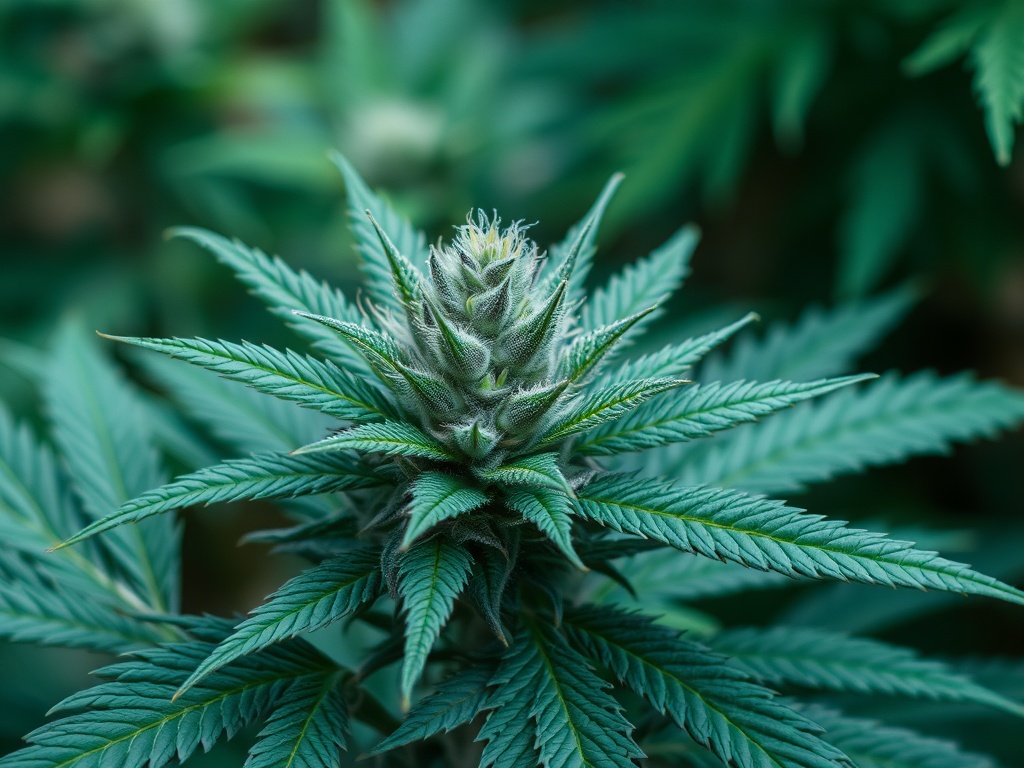
The growing acceptance is paving the way for further research, which is crucial to fully understanding the potential and limitations of cannabis as a therapeutic agent. Scientists are just beginning to scratch the surface of what cannabinoids can do.
The more we understand, the better healthcare providers can harness the benefits of cannabis and guide its use responsibly.
As we move forward, it is evident that cannabis will continue to play a significant role in natural medicine, mental health, and holistic wellness. The key lies in ongoing research, responsible usage, and open dialogues about the potential benefits and drawbacks of this fascinating plant. After all, the ultimate aim is to improve health and wellbeing for all.