CBD oil remains one of the most talked-about natural remedies, and understanding how to choose and use it safely helps you separate marketing from real value. This guide covers what matters most: product types, extraction and quality signals, how to use CBD, and safety considerations.
What CBD oil actually is
CBD (cannabidiol) is a non-intoxicating compound found in hemp and cannabis plants. CBD oil is a carrier oil infused with CBD extract and comes in several formulations: full-spectrum (contains CBD plus other cannabinoids, terpenes, and trace THC), broad-spectrum (multiple cannabinoids and terpenes but no detectable THC), and isolate (pure CBD). Many users prefer full-spectrum for the “entourage effect,” while those who need zero-THC products choose broad-spectrum or isolate.
Extraction and quality
Extraction method strongly affects purity and profile. CO2 extraction is widely regarded as the cleanest and most precise method, preserving cannabinoids and terpenes without solvent residues. Ethanol extraction can also produce high-quality oil when performed correctly. Avoid products that don’t disclose extraction methods or third-party testing.
Look for a certificate of analysis (COA) from an independent lab that confirms cannabinoid potency, checks for pesticide and heavy metal contamination, and verifies low residual solvents and microbial safety.
Transparent brands publish COAs online and include batch numbers on packaging. Organic, U.S.-grown hemp and GMP-certified manufacturing add extra assurance.
How to take CBD and dosing basics
CBD comes in many formats: sublingual tinctures, capsules, gummies, topicals, and inhalable products.
Bioavailability varies — sublingual drops and inhalation deliver effects faster, while edibles and capsules provide longer-lasting but slower onset. Topicals act locally and won’t produce systemic effects.
Start low and go slow. Begin with a low dose (for many people that might be in the single-digit to low-double-digit milligram range) taken once daily, then increase gradually while monitoring effects.
Individual response depends on body weight, metabolism, product concentration, and desired outcomes. Keep a simple diary of dose, time, and effects to find your personal sweet spot.
Safety and drug interactions
CBD is generally well tolerated but can cause side effects such as drowsiness, dry mouth, mild gastrointestinal upset, or changes in appetite. Important safety considerations include potential interactions with medications metabolized by the liver enzyme system (CYP450). Blood thinners and certain other prescriptions may be affected, so check with a healthcare professional before combining CBD with other drugs. Avoid CBD during pregnancy or breastfeeding unless advised otherwise by a clinician.
Legal and regulatory landscape
Hemp-derived CBD with very low THC is legal at the federal level in many jurisdictions, but state and local laws vary.
Product labeling and quality control are not uniformly regulated, which makes buyer diligence essential.
Practical buying tips
– Verify third-party COAs and batch numbers.
– Choose CO2- or ethanol-extracted oils from reputable suppliers.
– Check the cannabinoid profile to confirm full/broad/isolate and THC levels.
– Prefer transparent brands that publish sourcing, processing, and testing details.
– Store oil in a cool, dark place to preserve potency.
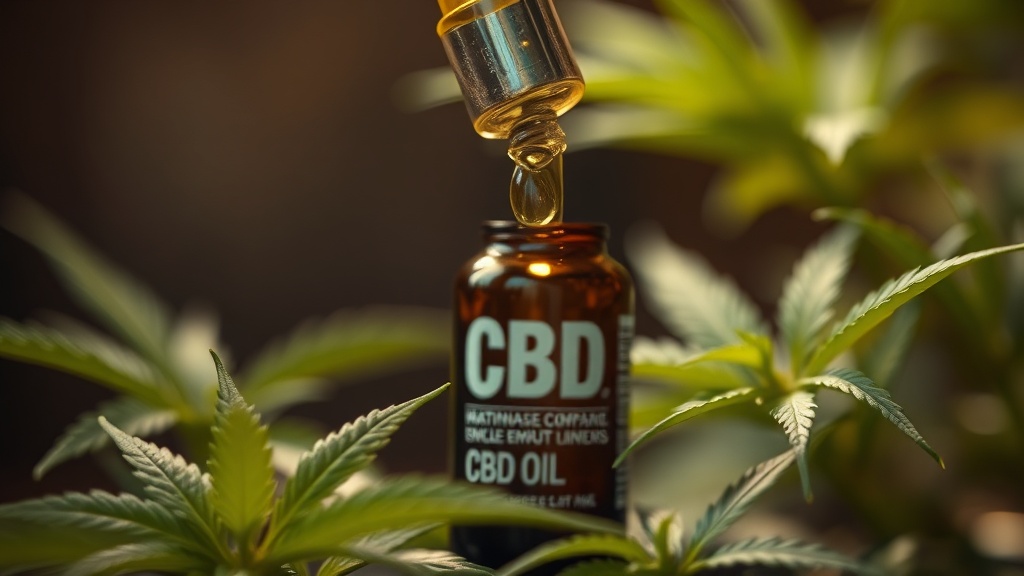
Whether you’re curious about CBD for wellness support or considering it as part of your health routine, focusing on quality, correct dosing, and medical safety will yield the best results. When in doubt, consult a knowledgeable healthcare provider before beginning regular use.