Cannabis: Practical Guidance for Safe, Savvy Use
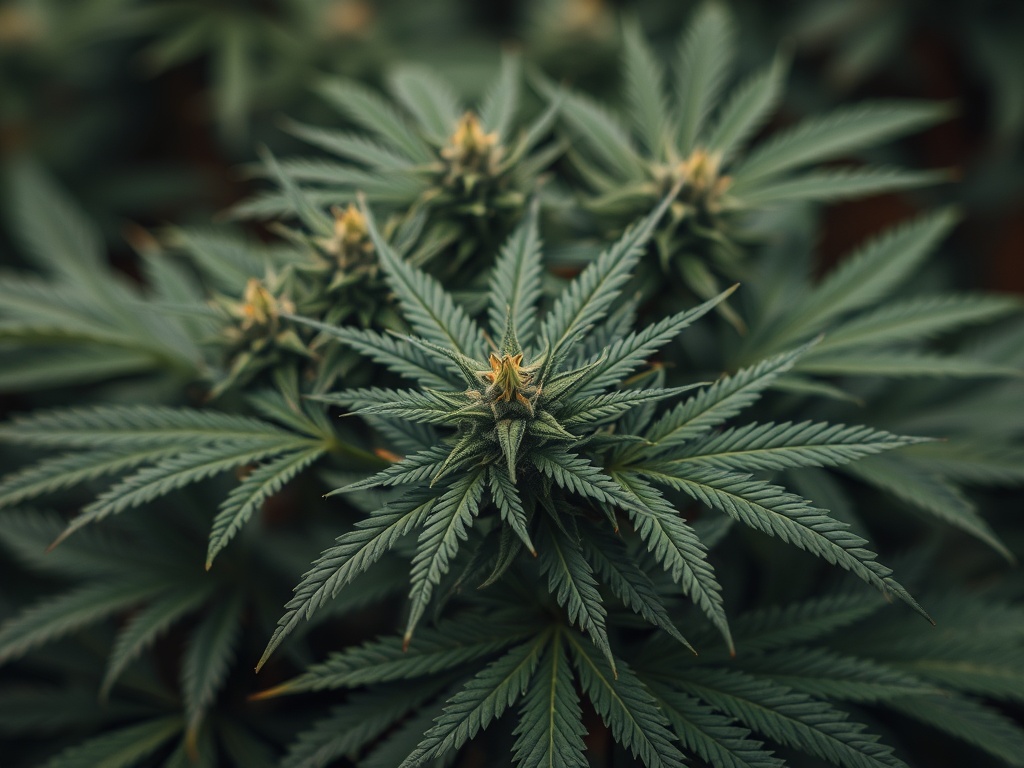
Cannabis remains a fast-evolving topic, with expanding access, new products, and growing research. Whether you’re exploring cannabis for wellness, recreation, or medical reasons, understanding the basics—what’s in the plant, how products differ, and how to use them safely—will help you make smarter choices.
Know the key compounds
THC (tetrahydrocannabinol) and CBD (cannabidiol) are the most widely discussed cannabinoids.
THC produces intoxicating effects; CBD is non-intoxicating and is often used for calming or anti-inflammatory purposes.
Beyond these, hundreds of minor cannabinoids and terpenes (aromatic compounds) influence flavor and subtle effects.
Terpene profiles like myrcene, limonene, and linalool can shape the user experience through aroma and potential synergistic effects.
Match product to purpose
– Recreational: Look for clear potency labeling (percent THC), lab testing, and product type that fits your preference—flower, vape cartridges, concentrates, or edibles.
– Wellness/medical: Consider CBD-dominant or balanced CBD:THC products.
Discuss dosing with a healthcare professional, especially if you take other medications.
Consumption methods and dosing
Consumption method affects onset, intensity, and duration:
– Inhalation (smoking/vaping): Fast onset and shorter duration—easier to titrate but can be harsher on lungs.
– Edibles: Slower onset and longer duration; effects can be stronger than expected.
Start low and wait at least one to two hours before increasing.
– Tinctures and sublinguals: Mid-range onset; easier to dose than edibles.
– Topicals: Targeted relief for localized discomfort without systemic intoxication.
Start with low doses—microdosing can be a smart strategy. For edibles, begin with a small dose and wait through the full onset window. For inhalation, take a small inhale, wait a few minutes, and assess.
Safety and impairment
Cannabis impairs judgment, coordination, and reaction time. Avoid driving or operating heavy machinery while under the influence.
Mixing cannabis with alcohol or other drugs can amplify impairment and risk. Keep cannabis secure and out of reach of children and pets; accidental ingestion of edibles is a common emergency.
Buy smarter
Choose products with third-party lab testing that confirm potency and screen for contaminants (pesticides, heavy metals, solvents, microbes). Read labels carefully: potency, ingredients, serving size, and recommended storage are all useful.
When buying flower, note terpene descriptions and aroma—these provide clues to flavor and potential effects.
Cultivation and storage basics
For home growers, focus on clean cultivation practices, appropriate nutrients, airflow, and pest management to avoid contamination. After harvest, proper drying and curing preserve flavor and cannabinoid content.
Store cannabis in airtight, light-resistant containers at a stable, cool temperature to maintain potency and freshness.
Legal and workplace considerations
Laws and workplace policies vary widely. Be aware of local regulations regarding possession, use, and purchase. If you’re subject to employer drug testing, understand how THC metabolites can be detected long after use and consider that when making consumption choices.
Medical conversations and research
Emerging research explores cannabis for pain, sleep, anxiety, and other conditions, but responses vary by individual. Discuss potential benefits and risks with a healthcare provider, especially if you have medical conditions or take prescription medications.
Final thoughts
A thoughtful approach—knowing product types, starting with low doses, prioritizing lab-tested products, and keeping safety top of mind—helps you get the benefits of cannabis while minimizing risks.
Stay informed as products and regulations continue to evolve, and consult professionals when in doubt.