Marijuana: What Consumers Should Know Now
Marijuana remains a fast-evolving topic across medicine, policy, and lifestyle. Whether you’re a curious newcomer or a seasoned user, understanding key differences, consumption methods, safety, and buying tips helps you make smarter choices.
Understanding THC, CBD, and terpenes
THC (tetrahydrocannabinol) is the primary psychoactive compound that produces a “high.” CBD (cannabidiol) does not cause intoxication and is often sought for anxiety, sleep, and pain relief.
Many products combine THC and CBD to balance effects.
Terpenes are aromatic compounds that influence flavor and may modulate effects.
Myrcene, limonene, and linalool are common terpenes associated with relaxing, uplifting, or calming profiles, respectively.
Looking at cannabinoid and terpene profiles provides a clearer picture than strain names alone.
Consumption methods and what to expect
– Smoking and vaping: Fast onset, easily titratable. Smoking delivers cannabinoids quickly but exposes lungs to combustion byproducts.
Vaping can reduce combustion-related toxins but requires high-quality devices and properly manufactured cartridges.
– Edibles: Long onset and longer duration. Effects take up to two hours to appear and can last many hours. Start with a low dose and wait before consuming more to avoid an unpleasant, intense experience.
– Tinctures and sublinguals: Moderate onset, more precise dosing than edibles. Placed under the tongue for quicker absorption.
– Topicals: Applied to skin for localized relief without systemic intoxication. Useful for muscle soreness or inflammation.
Dosing and harm reduction
Start low and go slow.
For inexperienced users, a microdose of THC (1–2.5 mg) reduces the risk of anxiety and adverse effects.
Typical recreational doses often range higher, but tolerance varies widely. Keep CBD-rich options in mind if you want to reduce psychoactivity.
Avoid mixing marijuana with alcohol or other sedatives, as combined use can amplify impairment. Never drive or operate heavy machinery after using intoxicating products.
If adverse effects occur, stay calm, hydrate, rest, and seek medical attention if symptoms are severe.
Buying smart: labels, labs, and retailers
Purchase from reputable retailers that provide third-party lab test results (COAs).
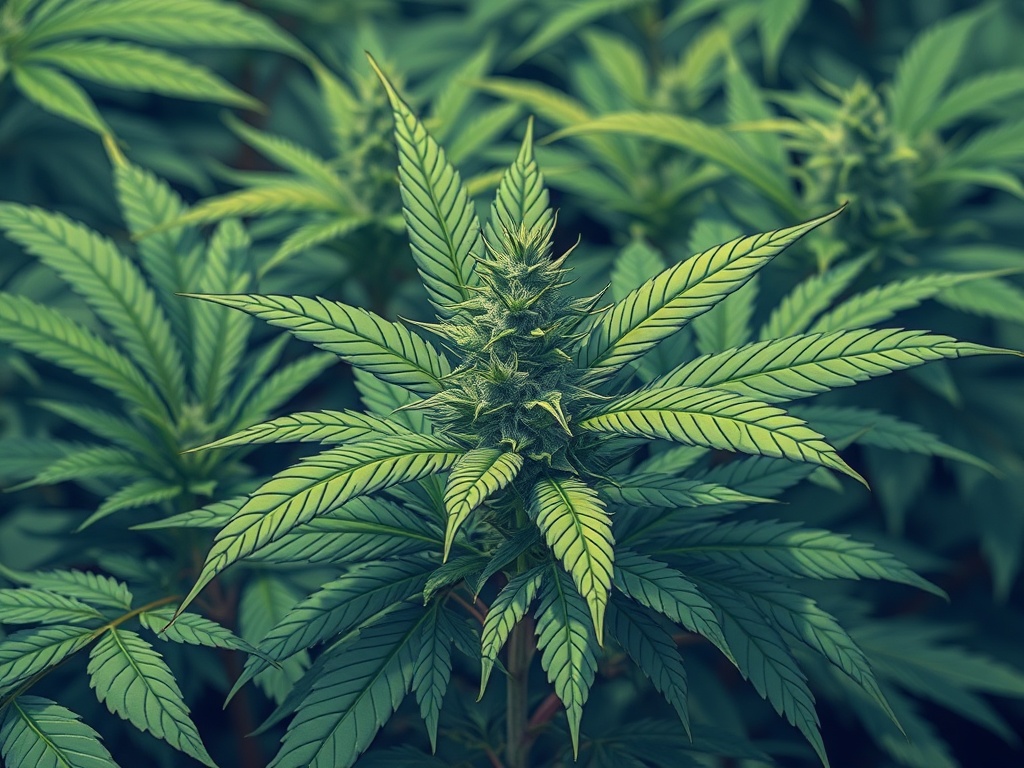
Lab reports should confirm cannabinoid potency and test for contaminants like pesticides, heavy metals, and residual solvents.
Check packaging for ingredient lists, dosage per serving (for edibles), and storage instructions.
If buying from a legal market, search for licensed retailers and brands with transparent testing.
In places without regulated markets, exercising extra caution is important since product quality and safety can be inconsistent.
Storage and child safety
Store marijuana and infused products in childproof containers away from heat, light, and moisture. Edibles resemble candies or snacks—keep them clearly labeled and out of reach. Proper storage preserves potency and prevents accidental ingestion.
Medical considerations
People with pre-existing heart, lung, or mental health conditions should consult healthcare professionals before using marijuana. Consider interactions with prescription medications; cannabinoids can affect how some drugs are metabolized.
The landscape continues to change
Policies, product innovation, and consumer research are constantly shifting.
Staying informed about local regulations and new safety guidance helps users make safer, more satisfying choices. Seek out reputable sources, check lab results, and prioritize moderation and safety for the best experience.