Cannabis is moving from niche to mainstream, with new products, clearer science, and shifting laws shaping how people consume and regulate it.
Whether you’re curious about medical benefits, exploring alternatives to alcohol, or navigating the legal marketplace, understanding the essentials helps you make safer, smarter choices.
Why people choose cannabis
Many turn to cannabis for symptom relief—pain, insomnia, anxiety, and appetite loss top the list—while others use it recreationally for relaxation and socializing.
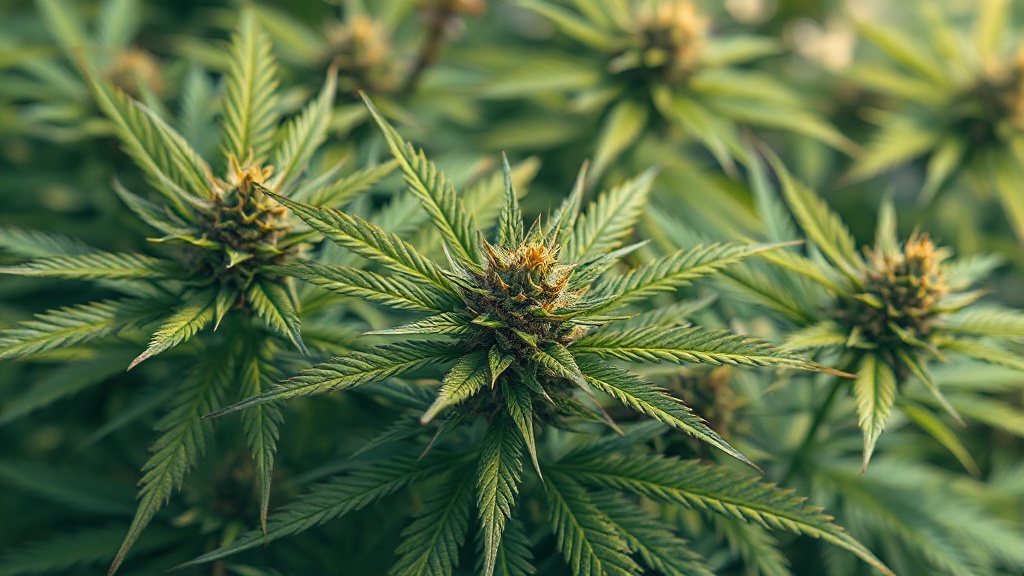
Cannabinoids like THC (psychoactive) and CBD (non-intoxicating) interact with the body’s endocannabinoid system to produce a range of effects. Terpenes—aromatic compounds found in the plant—also influence aroma and may modulate the overall experience.
Consumption methods and what to expect
Method affects onset, duration, and intensity. Key options include:
– Smoking or vaping: fast onset (minutes), shorter duration (a few hours). Vaping reduces combustion byproducts but check devices for safety and recent testing data.
– Edibles: delayed onset (30 minutes to several hours), longer duration (several hours to over a day).
Start with a low dose and wait before redosing.
– Tinctures and sublinguals: intermediate onset with easier dose control.
– Topicals: localized relief without systemic intoxication for some conditions.
– Concentrates and dabs: high-potency products that require experience and proper equipment.
Safety and dosing: start low, go slow
Dosing varies widely by product and individual. Best practices:
– Begin with a low THC dose and increase gradually.
– When trying edibles, wait long enough to judge the effect before taking more.
– Avoid combining cannabis with alcohol or sedatives.
– If you use prescription medications, consult a healthcare provider about potential interactions—CBD can affect the metabolism of certain drugs.
– Never drive or operate heavy machinery while impaired.
Selecting safe, reliable products
Quality matters. Look for:
– Certificate of Analysis (COA): confirms cannabinoid content and tests for pesticides, heavy metals, solvents, and mold.
– Transparent labeling: clear THC/CBD amounts per serving.
– Trusted sourcing: organic or regenerative farming practices reduce chemical exposure.
– Third-party testing: independent labs increase credibility.
Emerging trends shaping the market
Innovation continues beyond flower:
– Microdosing: low-dose products aim to provide subtle effects while preserving daily function.
– Consumer-friendly formats: cannabis-infused beverages, low-dose edibles, and precision-dosing devices make control easier.
– Hemp derivatives and cannabinoids: products containing lesser-known cannabinoids are expanding, but legal gray zones and inconsistent testing mean extra caution is warranted.
– Sustainability and social equity: more consumers are prioritizing brands with ethical cultivation practices and programs addressing communities disproportionately affected by prohibition.
Legal and social considerations
Laws vary widely across jurisdictions, affecting possession limits, public consumption, and retail access.
Where cannabis is legal, regulated products tend to offer better safety and lab testing than unregulated sources. Social equity programs and licensing reforms aim to create a more inclusive industry, but regulatory complexity still makes compliance a priority for businesses and consumers alike.
Staying informed
Reliable information and careful product selection are the cornerstones of responsible cannabis use. Choose reputable retailers and brands, read COAs, practice conservative dosing, and consult a healthcare professional when needed. With thoughtful choices, cannabis can be incorporated into wellness routines or recreational life with greater safety and predictability.