THC: what it is, how it works, and what to know before using it
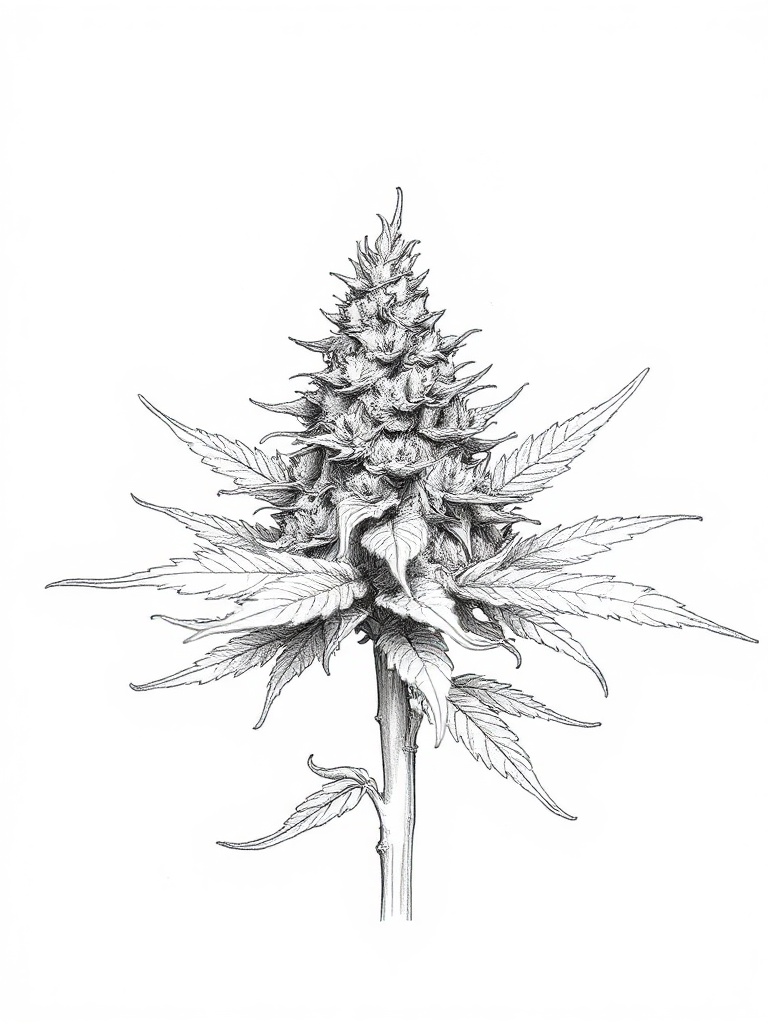
THC (tetrahydrocannabinol) is the primary psychoactive compound found in cannabis. It binds to cannabinoid receptors in the brain—especially CB1 receptors—producing the familiar effects of euphoria, altered perception, relaxation, and increased appetite. Understanding how THC acts, the variety of products on the market, and safe-use principles helps consumers make informed choices.
How THC works
THC mimics naturally occurring endocannabinoids and alters neurotransmitter release. That interaction explains both therapeutic effects (pain relief, antiemetic activity, muscle relaxation) and side effects (short-term memory impairment, anxiety, impaired coordination).
Metabolism also matters: when consumed orally, THC is converted in the liver to metabolites that can be more potent, changing onset and intensity of effects.
Consumption methods and onset/duration
– Inhalation (smoking, vaping): Fast onset—effects in minutes—and shorter peak. This offers greater dose control for many users.
– Oral (edibles, capsules): Slower onset—often an hour or more—and longer-lasting effects. Edibles can be more unpredictable because of first-pass metabolism.
– Sublingual and tinctures: Faster than edibles but slower than inhalation, with moderate duration.
Choose method based on desired onset, duration, and personal tolerance. Start with a low amount and wait sufficiently long to judge effects before taking more.
Products and evolving cannabinoids
Beyond natural delta-9-THC, a growing array of related compounds appears on the market—delta-8, THCa, THC-O, hydrogenated derivatives, and synthetic cannabinoids. These can differ in potency, legal classification, and safety profile. Some are less studied and may come from unregulated manufacturing processes, so exercise caution and prefer products with third-party lab testing.
Medical uses and evidence
THC-containing products are used therapeutically for symptom relief—particularly for nausea from certain treatments, appetite loss, muscle spasticity, and some pain conditions. Prescription cannabinoid medicines and certain cannabis-derived products are part of treatment options in some medical systems. Clinical evidence varies by condition, and medical supervision is advised for therapeutic use.
Risks and harm reduction
– Mental health: THC can trigger anxiety or paranoia in susceptible individuals and may elevate risk of persistent psychotic symptoms in those predisposed to psychotic disorders.
– Cognitive effects: Short-term impairment of memory, attention, and reaction time can affect activities like driving.
– Dependence: Regular, heavy use can lead to cannabis use disorder for a subset of people.
– Mixing substances: Combining THC with alcohol or other sedatives increases impairment and health risks.
Safe-use tips: “Start low, go slow” for dosing; avoid driving or operating heavy machinery while impaired; store products securely away from children and pets; consult a healthcare professional if using THC for medical reasons or if you have a mental health history.
Testing and workplace considerations
THC metabolites can be detected by common drug tests; detection windows vary based on frequency of use, body fat, metabolism, and test sensitivity. If workplace drug testing or legal concerns exist where you live, be aware that some products labeled “THC-free” may still contain trace amounts, and certain CBD products can contain detectable THC.
Choosing safe products
Look for products with accessible, up-to-date third-party lab reports showing cannabinoid potency and contaminant screening. Prefer manufacturers who disclose extraction methods, batch numbers, and clear dosing instructions.
Practical takeaway
THC offers potential benefits and distinct risks. Being informed about mechanisms, product types, dosing, and safety measures helps reduce harm and improves the likelihood of a more predictable experience. If you’re considering THC for medical reasons or have underlying health concerns, seek guidance from a knowledgeable healthcare provider.