CBD oil continues to attract attention for its potential wellness benefits and wide range of product options.
Whether you’re curious about trying it for sleep, pain, or stress, understanding how CBD works, how to choose a quality product, and how to use it safely will help you make informed decisions.
What CBD is and how it differs from THC
CBD (cannabidiol) is a non-intoxicating compound found in hemp and cannabis plants.
Unlike THC, CBD does not produce a “high.” Products labeled full-spectrum contain CBD plus other cannabinoids and terpenes and may include trace amounts of THC—many jurisdictions allow hemp-derived products with up to 0.3% THC—while broad-spectrum removes THC and isolates contain only CBD.
Potential benefits and evidence
Research suggests CBD may help with anxiety, chronic pain, inflammation, and sleep disturbances, though results vary and more high-quality human studies are needed. A prescription CBD medication has been approved for specific seizure disorders, demonstrating there can be strong clinical utility in targeted conditions. For general wellness uses, anecdotal reports are common but scientific backing varies by indication.
Choosing a high-quality CBD oil
Quality varies widely across the market. Look for these markers when shopping:
– Third-party lab reports (Certificates of Analysis): Confirms potency and checks for contaminants such as pesticides, heavy metals, and residual solvents.
– Clear labeling: Includes CBD content per serving, serving size, extraction method, and carrier oil.
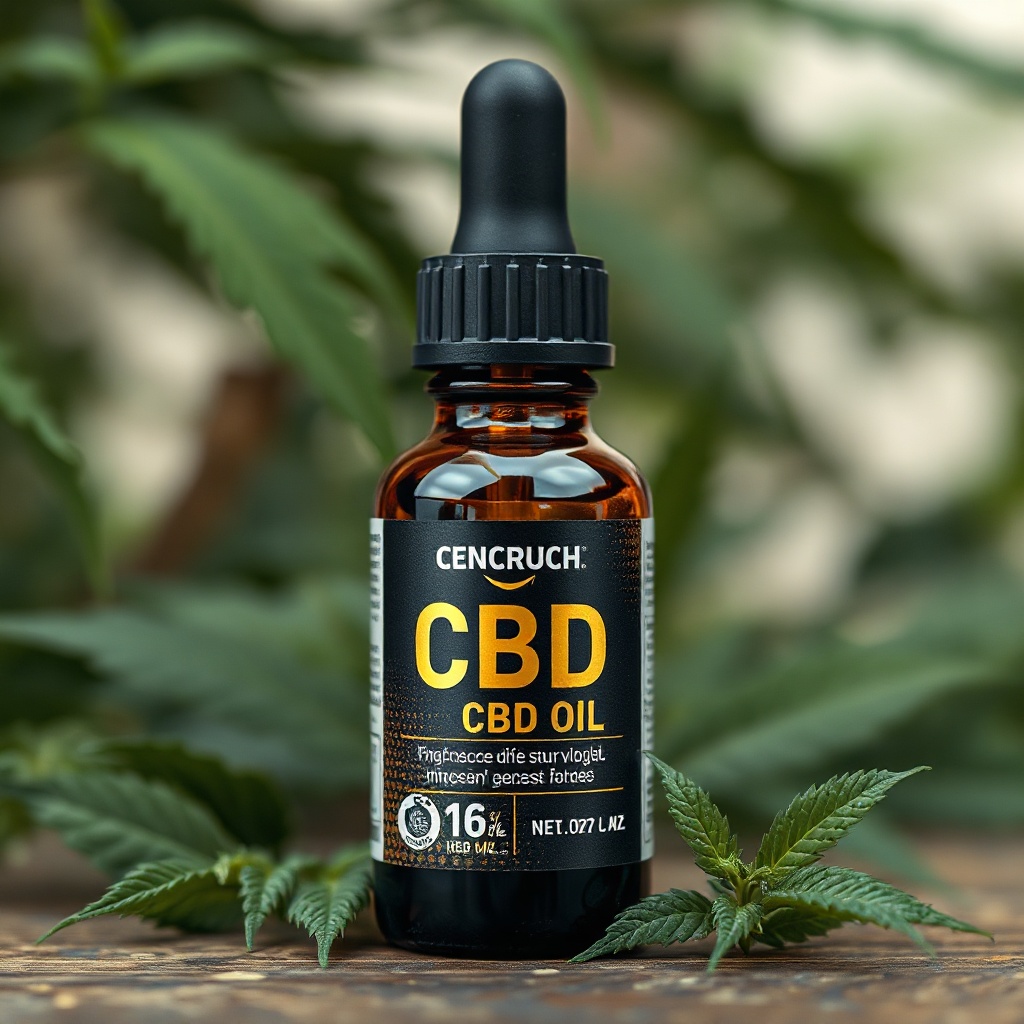
– Extraction method: CO2 extraction is a preferred method for purity and consistency; ethanol extraction is also common when done properly.
– Source of hemp: U.S. or European-grown hemp often follows stricter agricultural standards, but local regulations and farming practices vary.
– Full-spectrum vs.
broad-spectrum vs. isolate: Choose based on personal preference and sensitivity to THC.
Delivery methods and bioavailability
CBD oil is available as tinctures, capsules, edibles, vapes, topicals, and sublingual sprays. Bioavailability differs by method:
– Sublingual tinctures: Faster onset, higher bioavailability than edibles.
– Edibles and capsules: Longer-lasting effects but slower onset due to digestion.
– Vaping: Fastest onset and high bioavailability, but carries respiratory risks and requires caution.
– Topicals: Good for localized relief of pain or inflammation without systemic effects.
Recent innovations like nanoemulsions aim to improve absorption, but clinical significance varies.
Dosing basics and safety
There’s no one-size-fits-all dose. Start low and go slow—some people begin with 5–10 mg of CBD and gradually increase until the desired effect is reached. Keep a dosing journal to track effects and adjustments.
CBD can interact with medications that use the cytochrome P450 enzyme system (including some blood thinners and anti-seizure drugs), so consult a healthcare professional if you’re on prescription medication. Common side effects include drowsiness, dry mouth, and digestive upset. Pregnant or breastfeeding people are advised to avoid CBD due to limited safety data.
Legal and practical tips
Legal status varies by location; hemp-derived CBD may be legal where cannabis is not, but local laws and workplace drug testing policies differ.
Always check local regulations and employer policies before using CBD.
Takeaway
CBD oil offers a range of product types and potential benefits, but choosing high-quality products and using them cautiously is essential.
Verify lab testing, start with a low dose, and consult a healthcare provider if you take other medications or have specific health concerns.
With these steps, you can explore CBD in a safer, more informed way.