Smart cannabis use: choosing, dosing, and staying safe
Cannabis continues to be a mainstream option for both medical and recreational users, and understanding how different products, dosages, and safety practices affect your experience helps you get the benefits while minimizing risks. Here’s a practical guide to choosing cannabis products, dosing responsibly, and protecting your health.
Types of cannabis products and how they behave
– Flower (smokable): Fast onset, short-to-moderate duration. Effects are felt within minutes and typically peak within an hour.
– Vapes: Similar onset to smoking but sometimes more discreet. Quality and safety vary—use products from reputable sources with lab testing.
– Edibles: Slow onset and long duration. Effects can take anywhere from 30 minutes to several hours to appear; peak effects last longer than inhaled products.
– Tinctures and sublinguals: Faster than edibles but slower than smoking; dosing is fairly precise.
– Topicals: Applied to the skin for localized relief; they generally don’t produce systemic psychoactive effects.
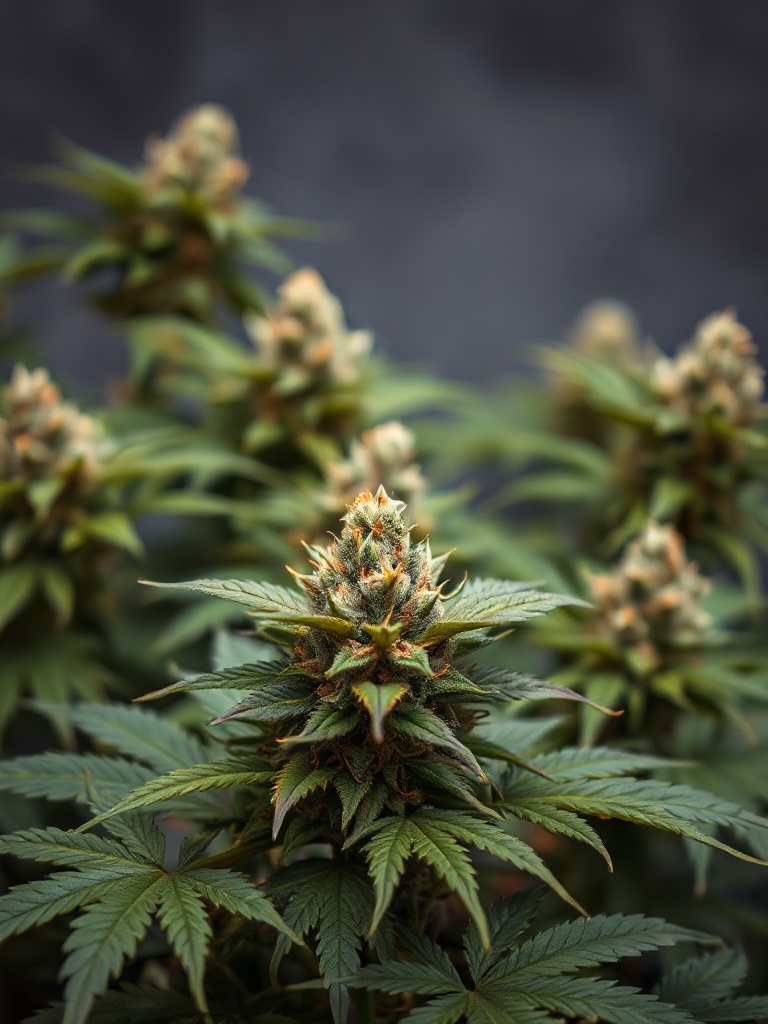
Potency, cannabinoids, and terpenes
THC is the primary psychoactive compound; CBD is non-intoxicating and may counterbalance some THC effects. Product labels show THC and CBD content—learn to read them. Terpenes (like myrcene, limonene, or linalool) contribute aroma and may influence the subjective experience. Look for clear labeling of cannabinoid ratios so you can choose a product that matches your tolerance and goals.
Lab testing and product safety
Buy from licensed retailers and check for Certificates of Analysis (COAs). Reliable COAs confirm cannabinoid levels and screen for contaminants such as pesticides, heavy metals, and residual solvents. Avoid products lacking transparent third-party testing.
Dosing tips and harm reduction
– Start low and go slow. New or infrequent users should begin with a low dose and wait to feel the effects before taking more.
– For inhaled products, effects appear quickly—wait at least 15–30 minutes before additional consumption.
– For edibles, wait at least 2 hours before increasing dose; effects are delayed and can build up.
– Avoid combining cannabis with alcohol or sedatives, which can amplify impairment.
– Have a sober person present if trying a high dose for the first time.
Safety, interactions, and special considerations
– Don’t drive or operate heavy machinery while impaired. Cannabis can impair coordination, reaction time, and judgment.
– Cannabis can interact with prescription medications, especially those metabolized by liver enzymes. Consult a healthcare provider before use if you take medications or have underlying health conditions.
– Pregnant or breastfeeding people should avoid cannabis due to potential risks to fetal and infant development.
– Be mindful of workplace policies and drug testing; THC metabolites can be detected long after intoxication in some tests.
Storage and responsible keeping
Store cannabis securely in childproof containers, away from pets and children, in a cool, dark place.
Proper storage maintains potency and reduces odor.
When to seek help
If someone experiences severe anxiety, persistent vomiting, chest pain, or loss of consciousness after using cannabis, seek medical attention. For unpleasant psychoactive effects, calming environments, hydration, and reassurance can help while effects subside.
Choosing the right product comes down to knowing your tolerance, selecting tested products, and using harm-reduction practices.
Check local regulations and consult a healthcare professional for personalized guidance.