CBD oil has moved from niche wellness shelves to mainstream awareness, but navigating claims, labels, and product choices can still feel overwhelming. Here’s a practical guide to what CBD oil is, how it’s used, and how to choose a high-quality product.
What CBD oil is and how it works
CBD (cannabidiol) is a non-intoxicating compound found in hemp and cannabis plants. It interacts with the endocannabinoid system, a network that helps regulate sleep, mood, appetite, and inflammation.
Unlike THC, CBD does not produce a “high,” and research is exploring its potential to support relief for anxiety, sleep disturbances, and certain types of chronic pain. A prescription CBD medication exists for specific seizure disorders, which reflects that clinical evaluation is ongoing and nuanced.
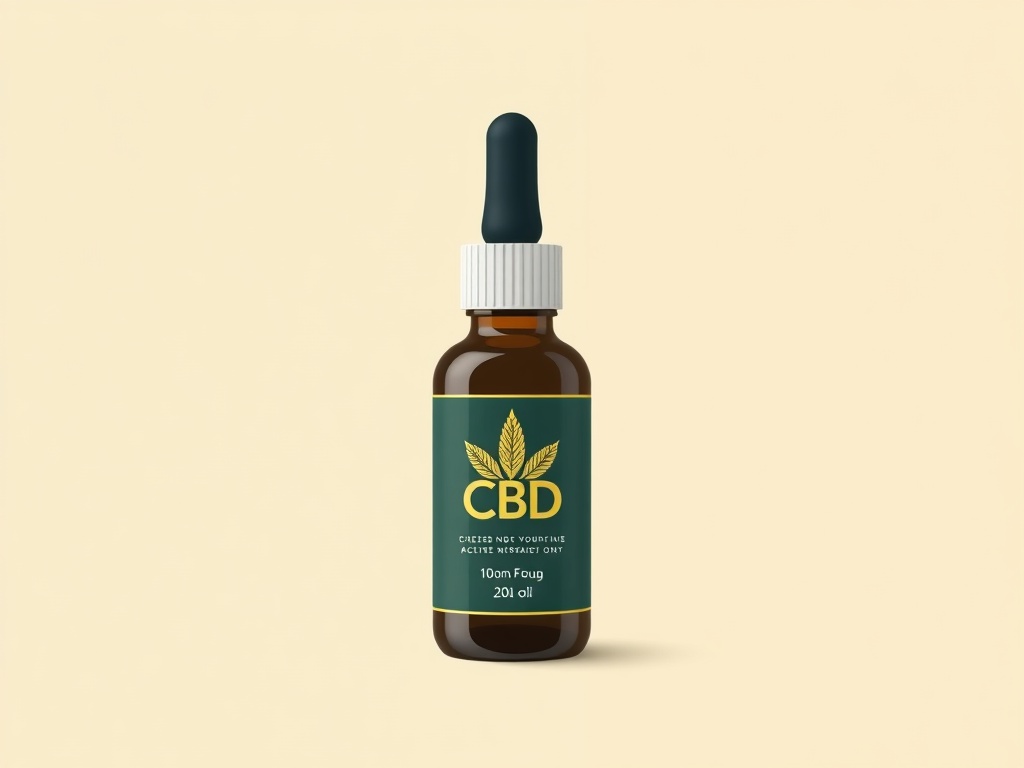
Types of CBD oil
– Full-spectrum: Contains CBD plus other cannabinoids, terpenes, and trace amounts of THC.
The combined plant compounds may provide an “entourage effect” that some users find more effective.
– Broad-spectrum: Similar to full-spectrum but processed to remove THC while retaining other cannabinoids and terpenes.
– Isolate: Pure CBD with no other cannabinoids or terpenes, useful for those who want to avoid other compounds entirely.
Extraction and product quality
Extraction method affects purity and safety. CO2 extraction is widely regarded as a clean method that preserves cannabinoid profiles, while ethanol extraction is common and effective when properly processed. Avoid products that list vague “proprietary solvents” or do not disclose extraction details.
A reliable product will provide a Certificate of Analysis (COA) from an independent third-party lab. COAs verify cannabinoid potency and screen for contaminants like heavy metals, pesticides, and residual solvents. Check the COA to confirm the labeled CBD content per serving and to ensure testing was done by an accredited lab.
How to use CBD oil
Common delivery methods include sublingual tinctures, capsules, edibles, vapes, and topicals.
Bioavailability varies:
– Sublingual tinctures and sprays generally absorb faster than edibles because they bypass first-pass digestion.
– Edibles and capsules are convenient but take longer to onset.
– Vaping delivers CBD quickly but carries respiratory risks and should be approached cautiously.
– Topicals are best for localized skin or muscle discomfort.
Dosing approach
There’s no one-size-fits-all dose.
A conservative approach is to start low and titrate slowly: begin with a small dose taken consistently for several days, observe effects, then increase as needed. Pay attention to product labeling—look for the total milligrams of CBD in the bottle and the amount per serving to calculate dosing accurately.
Safety and interactions
CBD is generally well tolerated but can cause side effects such as drowsiness, dry mouth, and digestive upset in some people. CBD can interact with medications metabolized by liver enzymes (CYP450), which could alter how other drugs work. Individuals taking prescription medications, pregnant or breastfeeding people, and those with significant health conditions should consult a healthcare professional before using CBD.
Legal and marketplace tips
Regulations and product standards are still evolving across regions. Always verify local laws where you live or travel. When shopping, prioritize transparency: reputable brands clearly list ingredients, extraction methods, lab results, and dosing guidance. Avoid products making sweeping medical claims.
Final considerations
CBD oil offers promising options for people exploring natural approaches to wellbeing, but product quality and informed use are crucial.
Look for third-party test results, start with low doses, monitor effects carefully, and consult a qualified health professional when in doubt.
This approach helps you separate reputable products from hype and better match CBD choices to personal needs.