CBD oil continues to attract attention for its reported effects on pain, sleep, mood, and overall wellness. With a crowded market and evolving science, knowing how to choose and use CBD oil safely helps you get the most benefit while avoiding low-quality products.
What is CBD oil?
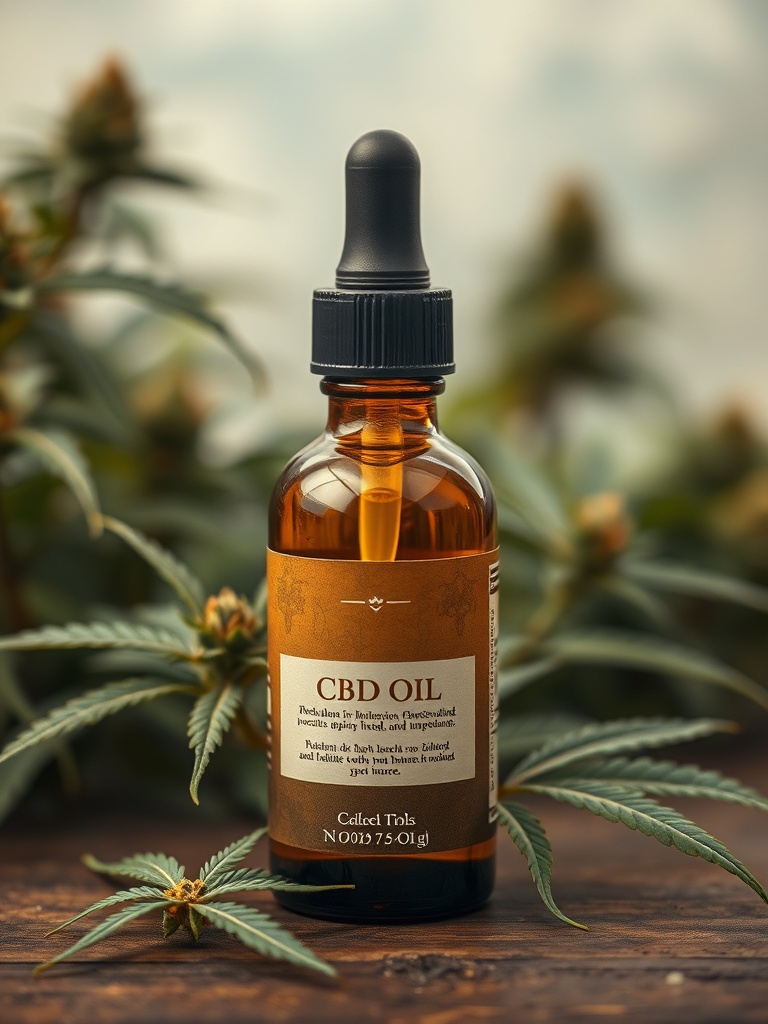
CBD (cannabidiol) is a non-intoxicating compound found in hemp. CBD oil usually pairs CBD extract with a carrier oil such as MCT, hemp seed, or olive oil. Products come in several types:
– Full-spectrum: contains CBD plus trace cannabinoids, terpenes, and legally allowable levels of THC, which may enhance effects through the “entourage effect.”
– Broad-spectrum: similar to full-spectrum but THC is removed.
– Isolate: pure CBD with no other cannabinoids or terpenes.
How CBD is made matters
Extraction method and growing practices affect purity and potency.
Supercritical CO2 extraction yields clean, solvent-free extracts favored for quality products. Organic or pesticide-free hemp and clean manufacturing reduce contaminants like heavy metals and residual solvents.
Common uses and evidence
People most often use CBD oil for:
– Mild to moderate pain relief and inflammation support
– Reducing anxiety and promoting relaxation
– Improving sleep quality and falling asleep more easily
– Managing symptoms of certain neurological conditions under medical supervision
Clinical evidence varies by condition. There is stronger support for specific medical uses under professional care, while wellness uses rely more on emerging studies and user experience.
Always balance anecdotal reports with reputable research.
How to use CBD oil
– Sublingual: placing drops under the tongue for faster absorption
– Capsules: convenient, consistent dosing for daily use
– Topicals: balms and creams for localized discomfort or skin issues
– Vaping: rapid onset but carries respiratory risk; choose inhalation only after considering safety
Dosing basics
Start low and go slow. Begin with a small dose and increase gradually while monitoring effects. Because potency varies across products, use the product’s concentration (mg of CBD per mL or per dose) to calculate intake.
If you’re taking medications, especially blood thinners or drugs metabolized by CYP450 enzymes, consult a healthcare professional before using CBD.
Safety and side effects
CBD is generally well tolerated. Possible side effects include dry mouth, drowsiness, lightheadedness, and gastrointestinal upset.
Quality matters: contaminated or mislabeled products can pose safety risks. Pregnant or breastfeeding people should avoid CBD unless directed by a clinician.
Choosing a trustworthy product
Look for:
– Third-party lab reports (Certificates of Analysis) showing cannabinoid profile and contaminants
– Clear labeling of CBD concentration and serving size
– Transparent sourcing and extraction information
– Positive, verifiable reviews and responsive customer support
Legal and regulatory notes
Legal status and regulatory oversight of CBD products vary by jurisdiction.
Some regions allow hemp-derived CBD with limitations on THC; others have stricter rules. Retailers and consumers should stay informed about local regulations.
Practical tips
– Store CBD oil in a cool, dark place to preserve freshness
– Keep a usage journal to track dose, timing, and effects
– Choose products with clear lab reports and simple ingredient lists
Careful selection and conservative dosing make CBD oil a practical option for many people looking to support sleep, stress management, and mild pain. When in doubt, seek guidance from a qualified healthcare professional who understands potential interactions and appropriate therapeutic strategies.