Introduction
Today, marijuana, also known as cannabis, is a topic of widespread interest and debate. It’s been at the center of medical, legal, and cultural conversations, shifting the perspective on this once-taboo plant. The recent developments have not only brought it into the mainstream but also ignited numerous studies to understand its potential benefits and drawbacks. In this article, we’ll explore the current state of marijuana, its medicinal uses, potential risks, and the ongoing debate regarding its legalization.
Medical Uses of Marijuana
Marijuana boasts a long history of medicinal use dating back thousands of years. However, it’s only recently that science has begun to decipher the medical benefits of marijuana, precipitating a wave of legalization in several countries.
The benefits of marijuana can be attributed to its active chemicals called cannabinoids. One of the most well-known cannabinoids, CBD (Cannabidiol), is non-psychoactive and has shown promising results in treating a range of health conditions such as chronic pain, epilepsy, and multiple sclerosis.
Another cannabinoid, THC (Tetrahydrocannabinol), is responsible for the ‘high’ people experience and is currently used in medications to treat nausea in chemotherapy patients and to stimulate appetite in individuals suffering from AIDS.
Potential Risks
While the medical properties of marijuana are promising, it’s important to highlight that like any other substance, marijuana also poses potential risks. High-THC strains can lead to short-term effects such as impaired memory, mood changes, and altered sense perception. Long-term use can lead to addiction, mental health issues, and respiratory problems, especially when smoked. Therefore, it’s crucial to use marijuana responsibly and under the supervision of a healthcare professional when used for medical purposes.
Legalization Debate
Across the globe, the legalization of marijuana is a contentious issue. Advocates argue that decriminalizing marijuana would reduce the burden on the criminal justice system, produce tax revenue, and allow for the regulation of the substance to ensure its safe use.
On the other hand, critics fear that legalization could lead to increased marijuana use, particularly among young people, and could contribute to mental health issues and addiction. They also argue that the revenue generated from marijuana sales may not offset the public health costs associated with its use.
The debate is likely to continue as more research is conducted and as society’s attitudes towards marijuana evolve.
In the modern era, marijuana’s role and reputation are rapidly evolving.
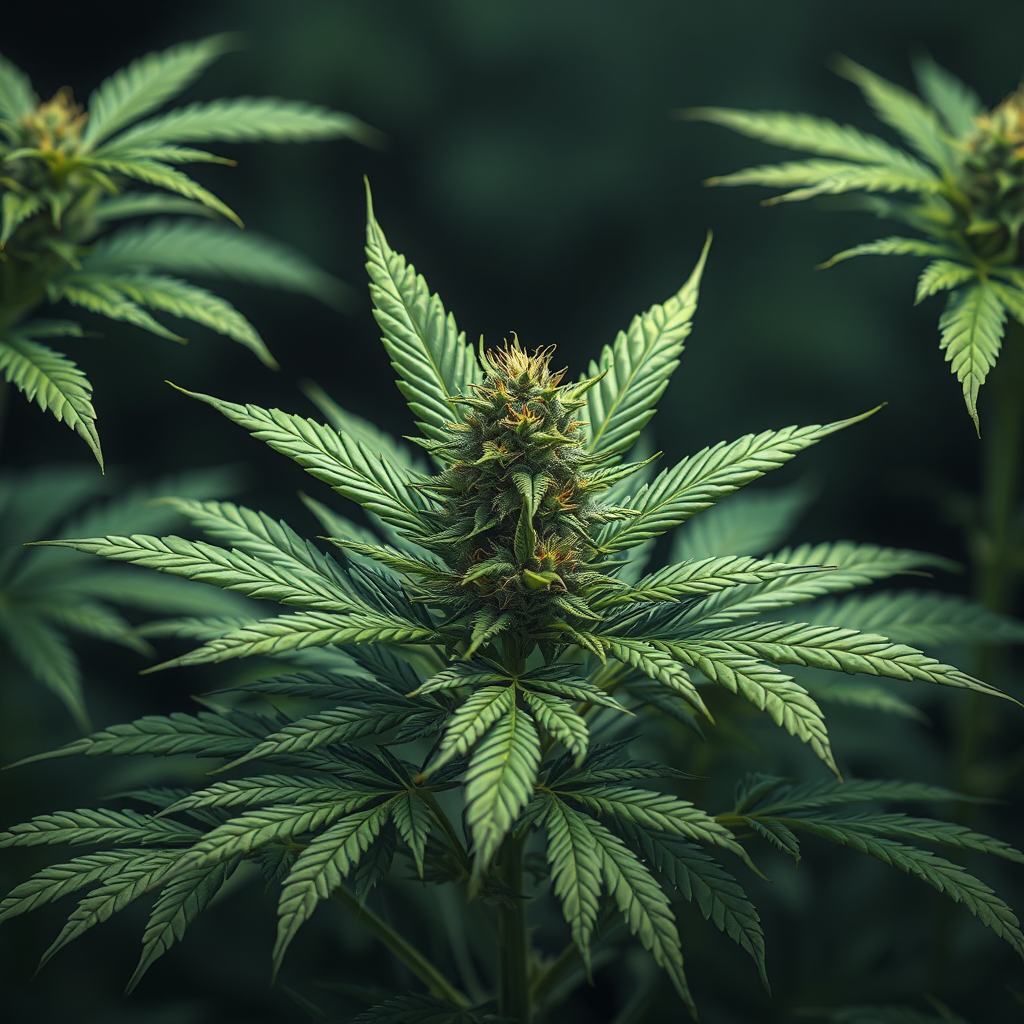
From its medicinal uses to the ongoing legalization debate, it’s clear that our understanding and acceptance of marijuana are shifting. As we continue to explore the benefits and risks of marijuana, it’s crucial to remain informed and approach this intriguing plant with an open mind. Whether embraced as a medical marvel or shunned as a societal scourge, marijuana undeniably remains a prominent player in our contemporary narrative.